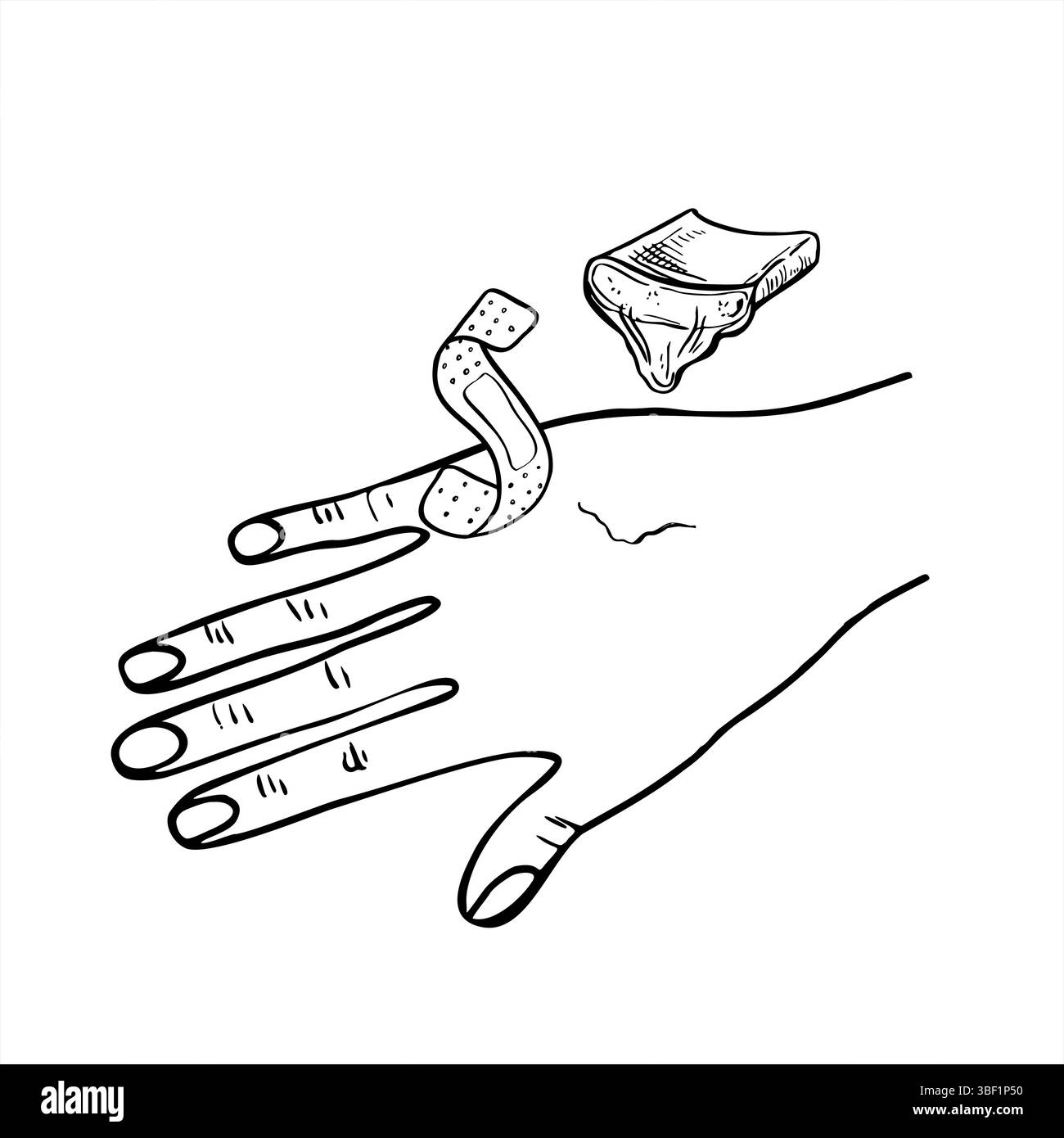
From the sun-drenched desert landscapes, where survival is an art form, emerges a silent guardian, a verdant treasure whose reputation as a healing powerhouse transcends millennia: Aloe barbadensis miller, commonly known as Aloe Vera. More than just a succulent adorning windowsills, Aloe Vera embodies "Nature’s Band-Aid," a living pharmacy meticulously crafted by evolution to soothe, repair, and protect. Its story is not merely one of botanical endurance but a compelling narrative of human discovery, scientific validation, and an enduring testament to the sophisticated healing power nestled within its gelatinous heart.
Our journey into the wound-healing prowess of Aloe is a deep dive into history, chemistry, and physiology, peeling back the layers of this remarkable plant to understand precisely how it orchestrates a symphony of repair, offering solace to damaged tissues and accelerating the body’s innate regenerative processes. For the knowledgeable mind, it’s an exploration that bridges ancient wisdom with modern scientific inquiry, revealing a plant far more complex and capable than its humble appearance suggests.
An Ancient Legacy: The Emerald Elixir Through the Ages
The story of Aloe Vera’s healing power begins not in laboratories, but in the dusty annals of antiquity. Its use as a medicinal plant predates written history, whispered down through generations and etched into the practices of the world’s earliest civilizations.
The ancient Egyptians, pioneers of medicine and masters of botanical remedies, revered Aloe as the "plant of immortality." It was an integral part of their beauty rituals, notably attributed to figures like Cleopatra and Nefertiti, who understood its skin-rejuvenating properties. More significantly, it played a role in embalming processes, believed to contribute to the preservation of the body, showcasing an early recognition of its antimicrobial and regenerative potential. Hieroglyphs depict Aloe leaves, underscoring its cultural and medicinal significance.
Across the Mediterranean, the Greeks and Romans embraced Aloe with equal fervor. Dioscorides, the renowned Greek physician and botanist of the 1st century AD, meticulously documented Aloe’s medicinal uses in his monumental work, "De Materia Medica." He prescribed it for a vast array of ailments, including wounds, skin irritations, hair loss, and digestive issues. Pliny the Elder, another Roman naturalist, echoed these sentiments, highlighting its efficacy in treating sores, alleviating pain, and healing various skin conditions. Legend even whispers of Alexander the Great’s conquest of the island of Socotra in the Indian Ocean, not for its strategic location, but specifically to secure a steady supply of Aloe to treat the wounds of his soldiers. This anecdote, whether entirely factual or embellished, powerfully illustrates the perceived indispensable nature of Aloe in ancient military medicine.
Further East, in the cradle of Ayurvedic medicine in India and traditional Chinese medicine, Aloe found its place as a cornerstone remedy. In Ayurveda, it is known as "Kumari," meaning "young girl," signifying its rejuvenating properties and its role in promoting youthfulness and feminine health. It was prescribed for skin ailments, digestive disorders, and as a general tonic. Similarly, in China, Aloe was utilized for detoxification, treating fungal infections, and its cooling properties were employed to balance internal heat.
The Arab traders, skilled navigators and purveyors of exotic goods, played a pivotal role in disseminating Aloe cultivation and knowledge across trade routes, earning it the moniker "desert lily." They were instrumental in introducing it to Europe and other parts of Asia, further cementing its global reputation.
This rich historical tapestry, spanning diverse cultures and millennia, is not merely anecdotal. It provides a profound context, demonstrating a consistent, cross-cultural recognition of Aloe’s unique healing attributes, particularly its efficacy in addressing skin afflictions and wound management. It laid the groundwork for the scientific inquiry that would centuries later begin to unravel the complex mechanisms behind this "Nature’s Band-Aid."
The Botanical Blueprint: Deconstructing the Healing Factory
To understand Aloe’s healing power, one must first appreciate its botanical architecture. Aloe barbadensis miller is a succulent plant belonging to the Asphodelaceae family, characterized by its thick, fleshy, spear-shaped leaves that radiate from a central stem. These leaves are the plant’s true treasure chest, housing two distinct components crucial for its medicinal properties: the clear gel and the bitter yellow latex.
The Aloe Vera gel, the primary focus of its wound-healing applications, is a translucent, mucilaginous substance found in the inner part of the leaf. It constitutes about 99% water, but the remaining 1% is a powerhouse of over 200 biologically active compounds. This complex matrix is where Aloe’s therapeutic magic truly resides.
The Aloe latex, located in specialized vascular bundles just beneath the outer rind of the leaf, is a bitter yellow liquid containing compounds called anthraquinones, particularly aloin. While some anthraquinones contribute to antimicrobial activity, aloin is primarily known for its potent laxative effect and is often separated from the gel for internal use due to potential gastrointestinal irritation. For external wound healing, the gel is the star.
The Chemical Symphony: Unveiling Aloe’s Active Constituents
The true marvel of Aloe Vera lies in its astonishingly complex biochemical composition. It’s not a single compound that confers its healing properties, but rather a synergistic blend of diverse molecules working in concert – a true chemical symphony. For the knowledgeable observer, appreciating these individual components and their interactions is key to understanding Aloe’s multifaceted approach to wound repair.
-
Polysaccharides: The Structural & Immunomodulatory Maestros
- Acemannan (Acetylmannan): This is arguably the most significant polysaccharide in Aloe gel and a cornerstone of its wound-healing capabilities. Acemannan is a beta-(1,4)-acetylated mannan. Its role is multifaceted:
- Cell Proliferation: Acemannan has been shown to stimulate the production and activity of fibroblasts, the cells responsible for synthesizing collagen and extracellular matrix components, crucial for wound closure and tissue regeneration.
- Collagen Synthesis: It directly promotes the synthesis of collagen, the primary structural protein of connective tissue, vital for building new tissue and strengthening the wound site.
- Immunomodulation: Acemannan acts as an immunomodulator, stimulating macrophages, the immune cells that "clean up" debris and pathogens in the wound bed and release growth factors necessary for healing. It also helps in regulating the inflammatory response, preventing it from becoming excessive and detrimental.
- Moisturization: Its hygroscopic nature helps retain moisture in the wound environment, preventing desiccation and promoting optimal conditions for healing.
- Glucomannans: Similar to acemannan, these complex sugars also contribute to cell proliferation, collagen synthesis, and provide a protective barrier.
- Acemannan (Acetylmannan): This is arguably the most significant polysaccharide in Aloe gel and a cornerstone of its wound-healing capabilities. Acemannan is a beta-(1,4)-acetylated mannan. Its role is multifaceted: