The clock ticks past midnight, the house is finally quiet, and you collapse into bed, utterly drained. But the peace is fleeting. Your mind races through tomorrow’s to-do list, your body feels simultaneously wired and heavy, and before you know it, the alarm blares, signaling the start of another day you’ll navigate on fumes. This isn’t an isolated incident; it’s a recurring narrative for countless women around the globe.
“I’m just tired.” It’s a phrase uttered with a sigh, a shrug, and often, a sense of resignation. For women, this feeling of profound, persistent fatigue isn’t just a minor inconvenience; it can be a silent epidemic, profoundly impacting quality of life, relationships, and professional success. We’re often told to "get more sleep," "eat better," or "just push through it." But what if it’s more than that? What if the exhaustion is a whisper, or sometimes a scream, from a body trying to tell us something crucial?
This article delves deep into the labyrinth of fatigue, particularly as it manifests in women. We’ll explore not just the common, surface-level culprits, but also the intricate interplay of hormones, societal pressures, and underlying medical conditions that often make women uniquely susceptible to this debilitating symptom. Our aim is not to offer quick fixes, but to empower you with knowledge, to validate your experience, and to guide you on a journey towards understanding your body’s signals and reclaiming your energy. This isn’t just about being tired; it’s about understanding why, and what steps you can take to find relief.
The Landscape of Exhaustion: Why Women Bear a Heavier Burden
Before we dive into specific causes, it’s vital to acknowledge the unique socio-biological context that often positions women at the epicenter of the fatigue storm. From the relentless demands of modern life to the intricate dance of hormones, several overarching factors contribute to this pervasive weariness:
- The Mental Load and Societal Expectations: Women disproportionately shoulder the "mental load" – the invisible labor of managing households, organizing family schedules, remembering appointments, planning meals, and anticipating needs. This constant cognitive burden, coupled with professional responsibilities and the pressure to maintain a certain image, creates a state of perpetual "on-call" alertness that is profoundly draining. Even when physically resting, the mind may not be.
- Hormonal Fluctuations: From menarche to menopause, a woman’s life is a symphony of hormonal shifts. The menstrual cycle, pregnancy, postpartum period, and perimenopause all involve dramatic changes in estrogen, progesterone, and other hormones that directly impact energy levels, sleep quality, and mood. These natural cycles, while essential for life, can also be sources of significant fatigue.
- Biological Predispositions: Certain conditions that cause fatigue, such as iron deficiency anemia, thyroid disorders, and autoimmune diseases, have a higher prevalence in women, pointing to biological factors that increase vulnerability.
- Underdiagnosis and Dismissal: Women’s symptoms, including fatigue, are sometimes dismissed or attributed to stress or anxiety, leading to delays in diagnosis and treatment. This diagnostic bias can prolong suffering and exacerbate the feeling of being unheard or misunderstood.
Understanding this broader context is the first step towards unraveling your personal fatigue puzzle. Now, let’s explore the specific pieces.
Tier 1: The Everyday Culprits – Lifestyle & Behavioral Factors
Often, the journey to understanding fatigue begins with an honest assessment of our daily habits. These factors are common, insidious, and frequently overlooked in our quest for a quick fix.
1. The Sleep Deficit: Quantity, Quality, and Disruptions
It sounds obvious, but insufficient or poor-quality sleep is the most common cause of fatigue. Yet, many women either underestimate their sleep needs or struggle to achieve restorative sleep.
- Chronic Sleep Deprivation: The recommended 7-9 hours of sleep isn’t a luxury; it’s a biological necessity. Consistently getting less than this accumulates a "sleep debt" that manifests as chronic fatigue, impaired concentration, irritability, and a weakened immune system. For women, this is often compounded by early mornings, late nights, and broken sleep due to caregiving responsibilities.
- Insomnia: Difficulty falling asleep, staying asleep, or waking too early and being unable to return to sleep can be primary (no underlying cause) or secondary (due to another condition like stress, pain, or hormonal shifts). Women are more likely to report insomnia, which can be linked to anxiety, depression, and hormonal changes.
- Sleep Apnea: Often considered a male-dominated condition, sleep apnea is significantly underdiagnosed in women. While men typically present with loud snoring and witnessed pauses in breathing, women may have more subtle symptoms like chronic fatigue, insomnia, morning headaches, anxiety, and depression. The repeated interruptions in breathing lead to fragmented sleep and oxygen deprivation, resulting in profound daytime exhaustion.
- Restless Legs Syndrome (RLS): An irresistible urge to move the legs, often accompanied by uncomfortable sensations, particularly in the evening and night, can severely disrupt sleep. RLS is more common in women and can be exacerbated by pregnancy and iron deficiency.
- Circadian Rhythm Disruption: Shift work, frequent travel across time zones (jet lag), or even inconsistent sleep-wake times can throw off your body’s natural sleep-wake cycle, leading to daytime fatigue and nighttime sleeplessness. Exposure to blue light from screens late at night also interferes with melatonin production, essential for sleep.
2. The Nutritional Gap: Beyond Just "Eating Right"
What we fuel our bodies with directly impacts our energy levels. It’s not just about eating; it’s about absorbing the right nutrients.
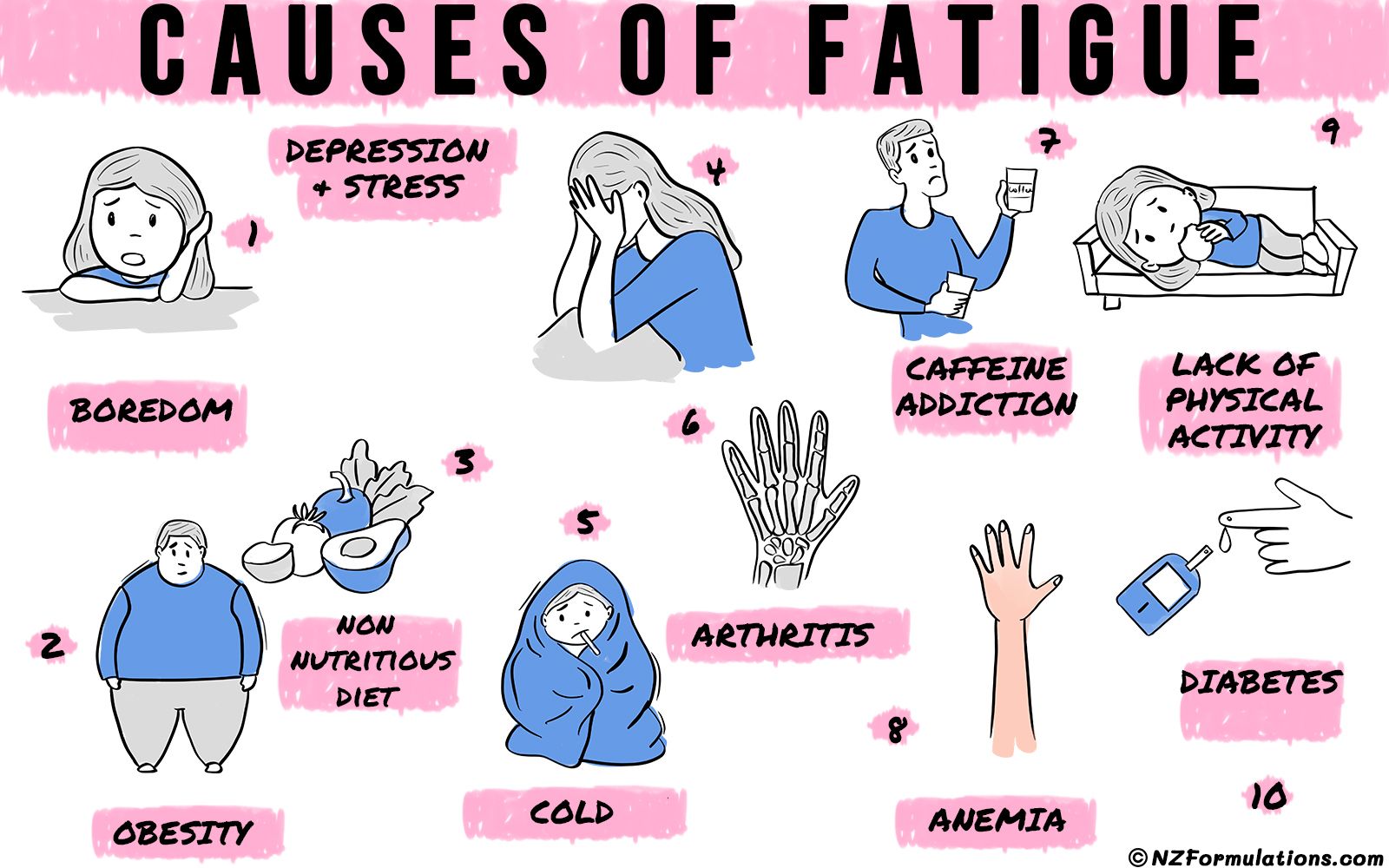
- Iron Deficiency Anemia: This is arguably the most prevalent nutritional deficiency contributing to fatigue in women worldwide. Heavy menstrual bleeding (menorrhagia), pregnancy, and childbirth deplete iron stores, which are crucial for producing hemoglobin – the protein in red blood cells that carries oxygen. Low iron means less oxygen reaching tissues and organs, leading to profound fatigue, weakness, pallor, shortness of breath, and sometimes even hair loss and brittle nails.
- Vitamin B12 Deficiency: Essential for nerve function, red blood cell production, and energy metabolism, B12 deficiency can cause significant fatigue, weakness, numbness, and cognitive issues. It’s common in vegetarians and vegans, those with malabsorption issues (like celiac disease, Crohn’s, or after bariatric surgery), and individuals using certain medications (e.g., proton pump inhibitors, metformin).
- Vitamin D Deficiency: Widespread across populations, low Vitamin D levels have been linked to fatigue, muscle weakness, bone pain, and impaired immune function. While the exact mechanism for fatigue isn’t fully understood, Vitamin D receptors are found throughout the body, including in brain regions involved in sleep and mood.