In an era defined by screens, sedentary lifestyles, and the insidious creep of the "tech neck," the quest for perfect posture has become more pressing than ever. We slump, we slouch, we hunch, and with each passing hour spent hunched over a laptop or cradling a smartphone, the collective spine of humanity seems to buckle a little further. It’s no wonder, then, that the market for posture correctors has exploded. From simple elastic straps to sophisticated smart wearables, these devices promise a quick fix, an effortless path to an upright, confident stance. They beckon with the allure of immediate relief and the promise of a body that stands tall, free from the aches and pains of modern life.
But does this widely embraced solution truly deliver on its promises? Are these external aids the panacea for our postural woes, or merely a temporary crutch masking deeper issues? To truly understand the efficacy of posture correctors, we must look beyond the glossy advertisements and delve into the nuanced perspectives of the very experts dedicated to musculoskeletal health: physical therapists, chiropractors, orthopedists, and ergonomists. What they want you to know is a story far more complex and far less instantaneous than the marketing suggests.
The Modern Posture Predicament: A Story of Adaptation and Maladaptation
Before we dissect the role of correctors, let’s first understand the landscape they aim to address. Our bodies are marvels of adaptation. For millennia, human posture was shaped by activities demanding strength, agility, and dynamic movement – hunting, gathering, farming, climbing. Our spines evolved to be resilient, capable of bearing loads, twisting, and flexing.
Fast forward to the 21st century. The vast majority of our waking hours are now spent in static, often compromised positions. We sit for work, we sit to commute, we sit to eat, and we sit for entertainment. Our heads, weighing roughly 10-12 pounds, are habitually tilted forward, placing immense strain on the cervical spine. Our shoulders round, our chests collapse, and our core muscles, designed to be our internal scaffolding, become disengaged and weak. This isn’t just an aesthetic problem; it’s a biomechanical crisis.
The insidious nature of poor posture lies in its gradual progression. Initially, it might manifest as a dull ache in the neck or shoulders, perhaps a persistent lower back niggle. Over time, these minor discomforts can escalate into chronic pain, headaches, nerve impingements, reduced lung capacity, digestive issues, and even psychological impacts like decreased confidence. It’s a slow erosion of well-being, often going unnoticed until the symptoms become undeniable.
It’s against this backdrop of widespread discomfort and the desperate desire for relief that the posture corrector steps onto the stage, a seemingly simple solution to a complex problem.
The Allure of the Quick Fix: How Posture Correctors Work (or Claim To)
Posture correctors come in various forms, but their fundamental mechanism is similar: they provide external support and feedback to gently pull the shoulders back, align the spine, and encourage an upright stance.
- Elastic Straps and Braces: These are the most common type, often resembling a harness worn over or under clothing. They physically restrict slouching, making it uncomfortable to fall into poor posture.
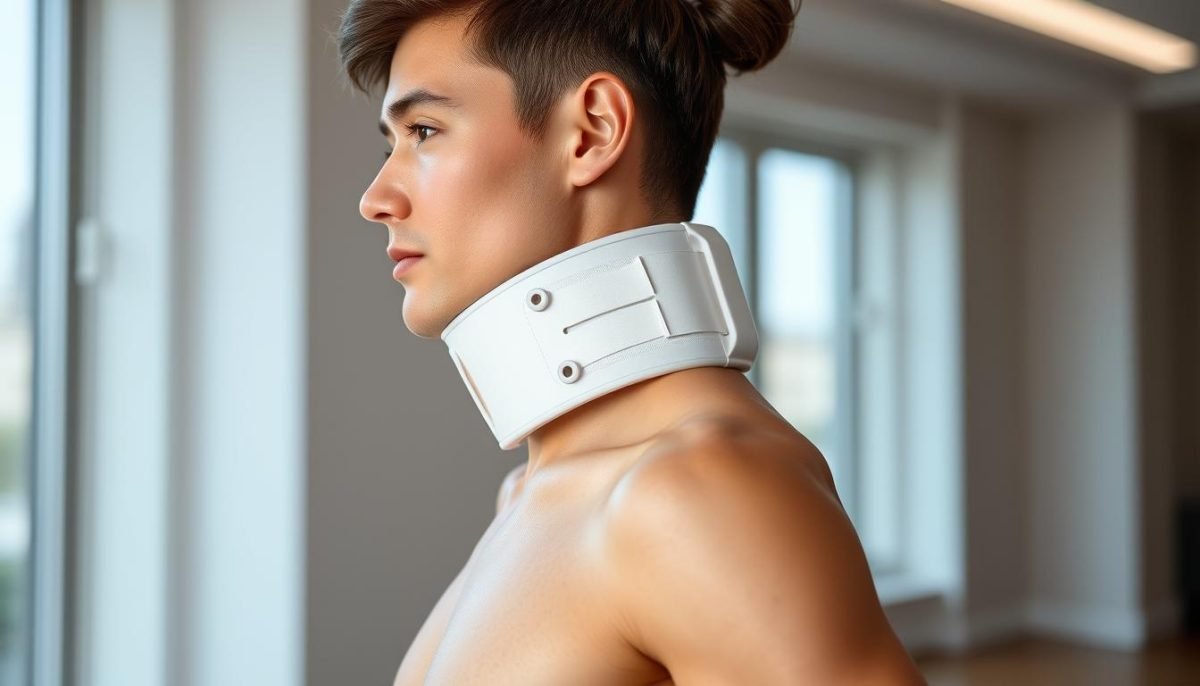
- Rigid Supports: More common in medical contexts, these offer stronger, less flexible support, often prescribed for specific spinal conditions or injuries.
- Smart Wearables: The more technologically advanced versions incorporate sensors that detect slouching and provide real-time feedback through vibrations, beeps, or app notifications.
The immediate appeal is undeniable. Slip one on, and instantly, you feel taller, straighter. The muscles that have grown lazy are suddenly reminded of their supposed duty. For many, this immediate physical correction provides a sense of relief, a glimpse of what "good posture" feels like, and a hope that this simple device can undo years of ingrained habits.
The Expert Verdict: Nuance Over Absolutes
When asked if posture correctors "work," experts don’t offer a simple yes or no. Their answer is far more nuanced, reflecting a deep understanding of human anatomy, biomechanics, and the psychology of habit formation.
1. Short-Term Awareness vs. Long-Term Dependency:
This is perhaps the most critical distinction experts emphasize. In the short term, posture correctors can serve a purpose.
- Proprioceptive Feedback: They provide immediate, external proprioceptive feedback, meaning they help your brain become more aware of your body’s position in space. For someone who has completely lost touch with what good posture feels like, this can be a valuable "re-education" tool. It’s like having a gentle physical reminder whispering, "Straighten up!"
- Temporary Symptom Relief: By temporarily holding the body in a more aligned position, some users experience immediate relief from muscle tension or pain caused by poor posture. This can be particularly beneficial during periods of acute discomfort or for specific tasks that exacerbate slouching.
- Breaking the Slouch Cycle: For a very limited duration, they can help interrupt deeply ingrained slouching habits, offering a moment to reset and consciously engage postural muscles.
However, the experts caution against viewing this as a long-term solution. The very mechanism that provides immediate relief can become detrimental over time.
2. The Danger of Muscle Atrophy and Dependency:
The primary concern among physical therapists and chiropractors is the risk of muscle weakening and dependency. Our bodies are designed to be self-supporting. The muscles responsible for maintaining an upright posture – particularly the deep core muscles (transverse abdominis, multifidus), the back extensors (erector spinae), and the scapular stabilizers (rhomboids, lower trapezius) – are meant to work continuously, albeit subtly, throughout the day.
When you introduce an external brace that does this work for them, these muscles can become lazy. "Use it or lose it" is a fundamental principle of human physiology. If a muscle isn’t challenged, it atrophies. Over-reliance on a posture corrector can lead to: