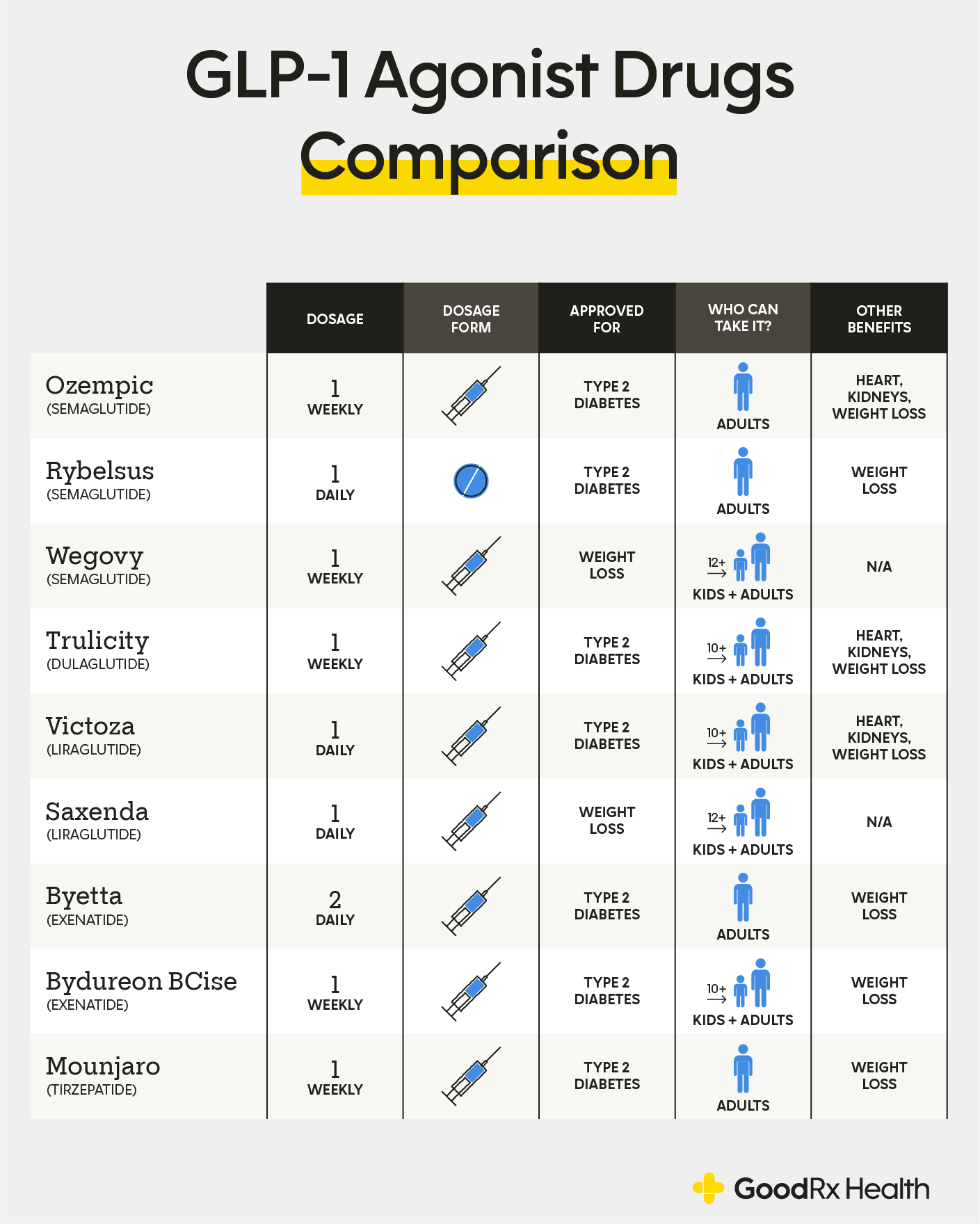
The promise of glucagon-like peptide-1 (GLP-1) receptor agonists has swept through the medical community and public consciousness like a metabolic revolution. Drugs like Ozempic, Wegovy, Mounjaro, and Zepbound have demonstrated unprecedented efficacy in managing type 2 diabetes and achieving significant, sustained weight loss, fundamentally altering our understanding of obesity as a chronic disease rather than a mere lifestyle failing. For millions, these medications represent not just a treatment, but a profound transformation – a restoration of health, vitality, and often, a renewed sense of hope.
Yet, for every story of triumph, there exists a parallel narrative of frustration and despair. The dazzling efficacy of GLP-1 drugs comes with an equally stunning price tag, often ranging from $900 to over $1,300 per month without insurance. This financial barrier erects an insurmountable wall for countless individuals, relegating the latest advancements in metabolic medicine to the realm of unattainable luxury. It forces a cruel dilemma: the knowledge that an effective treatment exists, juxtaposed with the stark reality that it remains financially out of reach.
This article, guided by the collective wisdom of endocrinologists, dietitians, exercise physiologists, and healthcare policy experts, seeks to navigate this complex landscape. It is a story not of defeat, but of resilience; a guide for those standing at the intersection of medical innovation and economic constraint. It aims to empower individuals with actionable strategies, grounded in science and clinical practice, to pursue optimal metabolic health even when the most hyped solutions are off the table. For a knowledgeable audience, we delve beyond the superficial, exploring the physiological underpinnings of alternative approaches and the systemic challenges within healthcare.
The Allure and The Reality: Why GLP-1s Are So Desirable (And Expensive)
To understand the alternatives, one must first appreciate the mechanism and impact of GLP-1s. These drugs mimic the action of a naturally occurring hormone, GLP-1, which is released from the gut in response to food intake. Their multifaceted effects include:
- Glucose-Dependent Insulin Secretion: They stimulate the pancreas to release insulin only when blood glucose levels are high, minimizing the risk of hypoglycemia.
- Suppression of Glucagon Secretion: They inhibit glucagon, a hormone that raises blood sugar.
- Delayed Gastric Emptying: This slows down the rate at which food leaves the stomach, leading to increased satiety and reduced post-meal glucose spikes.
- Appetite Suppression: They act on GLP-1 receptors in the brain, reducing hunger signals and cravings.
- Cardiovascular and Renal Benefits: Beyond glucose control and weight loss, many GLP-1s have demonstrated significant reductions in major adverse cardiovascular events (MACE) and improvements in kidney outcomes, adding another layer to their therapeutic value.
The dual-agonist Tirzepatide (Mounjaro/Zepbound) further enhances these effects by also mimicking glucose-dependent insulinotropic polypeptide (GIP), leading to even greater efficacy in glucose lowering and weight reduction.
This comprehensive physiological impact explains their profound success. However, developing such sophisticated molecules, conducting rigorous clinical trials, and navigating regulatory pathways is incredibly costly. Patent protection allows pharmaceutical companies to recoup these investments, leading to high prices that persist until generic versions become available – a distant future for many of these newer agents. This economic reality creates a two-tiered system, where access to cutting-edge medicine becomes a privilege, not a right.
The Foundation: Lifestyle Interventions – Beyond "Eat Less, Move More"
For experts, the first and most crucial recommendation, irrespective of GLP-1 access, remains a robust and personalized approach to lifestyle modification. This is not a consolation prize; it is the bedrock of metabolic health, capable of producing significant, even transformative, results. For the knowledgeable audience, we recognize that "lifestyle changes" is often an oversimplified directive. The nuance lies in the how and the why.
1. Nutritional Therapy: Re-engineering the Metabolic Environment
Diet is not merely about calorie restriction; it’s about optimizing nutrient intake to modulate hormones, reduce inflammation, and improve insulin sensitivity.
- Prioritizing Whole, Unprocessed Foods: This is the universal starting point. Processed foods, high in refined carbohydrates, unhealthy fats, and added sugars, trigger rapid glucose spikes, promote insulin resistance, and drive chronic inflammation. Shifting to whole foods – fruits, vegetables, lean proteins, whole grains, healthy fats – provides essential micronutrients, fiber, and phytonutrients that support metabolic function.
- Fiber-Rich Diets: Soluble and insoluble fiber found in vegetables, fruits, legumes, and whole grains plays a critical role. Soluble fiber slows gastric emptying, similar to GLP-1s, leading to increased satiety and moderated glucose absorption. It also feeds beneficial gut bacteria, influencing gut-brain axis signaling and metabolic health. Insoluble fiber adds bulk, promoting regularity and contributing to satiety.
- Protein Adequacy: Sufficient protein intake (e.g., 1.2-1.6 g/kg body weight for weight loss) is crucial for preserving lean muscle mass during caloric restriction, enhancing satiety, and having a lower glycemic impact than carbohydrates. Sources include lean meats, poultry, fish, eggs, dairy, legumes, and plant-based protein powders.
- Healthy Fats: Monounsaturated (avocados, olive oil, nuts) and polyunsaturated (fatty fish, seeds) fats are essential for hormone production, cell membrane integrity, and reducing inflammation. They also contribute to satiety and slow digestion.
- Strategic Carbohydrate Management:
- Mediterranean Diet: Often hailed as the gold standard, this pattern emphasizes whole foods, healthy fats, fiber, and lean protein, with moderate consumption of whole grains and limited red meat. Its anti-inflammatory properties and focus on plant-based foods directly address underlying drivers of metabolic dysfunction.
- Lower-Carbohydrate Approaches: For individuals with significant insulin resistance, prediabetes, or type 2 diabetes, a more aggressive reduction in refined carbohydrates and starches can be profoundly effective. This isn’t necessarily ketogenic, but focuses on non-starchy vegetables, lean proteins, and healthy fats. This approach can directly reduce pancreatic insulin demand, improve insulin sensitivity, and promote fat utilization.
- Time-Restricted Eating/Intermittent Fasting: While not suitable for everyone, particularly those on certain medications, structured eating windows can help improve insulin sensitivity, reduce overall calorie intake, and promote metabolic flexibility by encouraging the body to switch between glucose and fat as fuel sources. This mimics some of the physiological benefits of GLP-1s by extending periods of lower insulin levels.