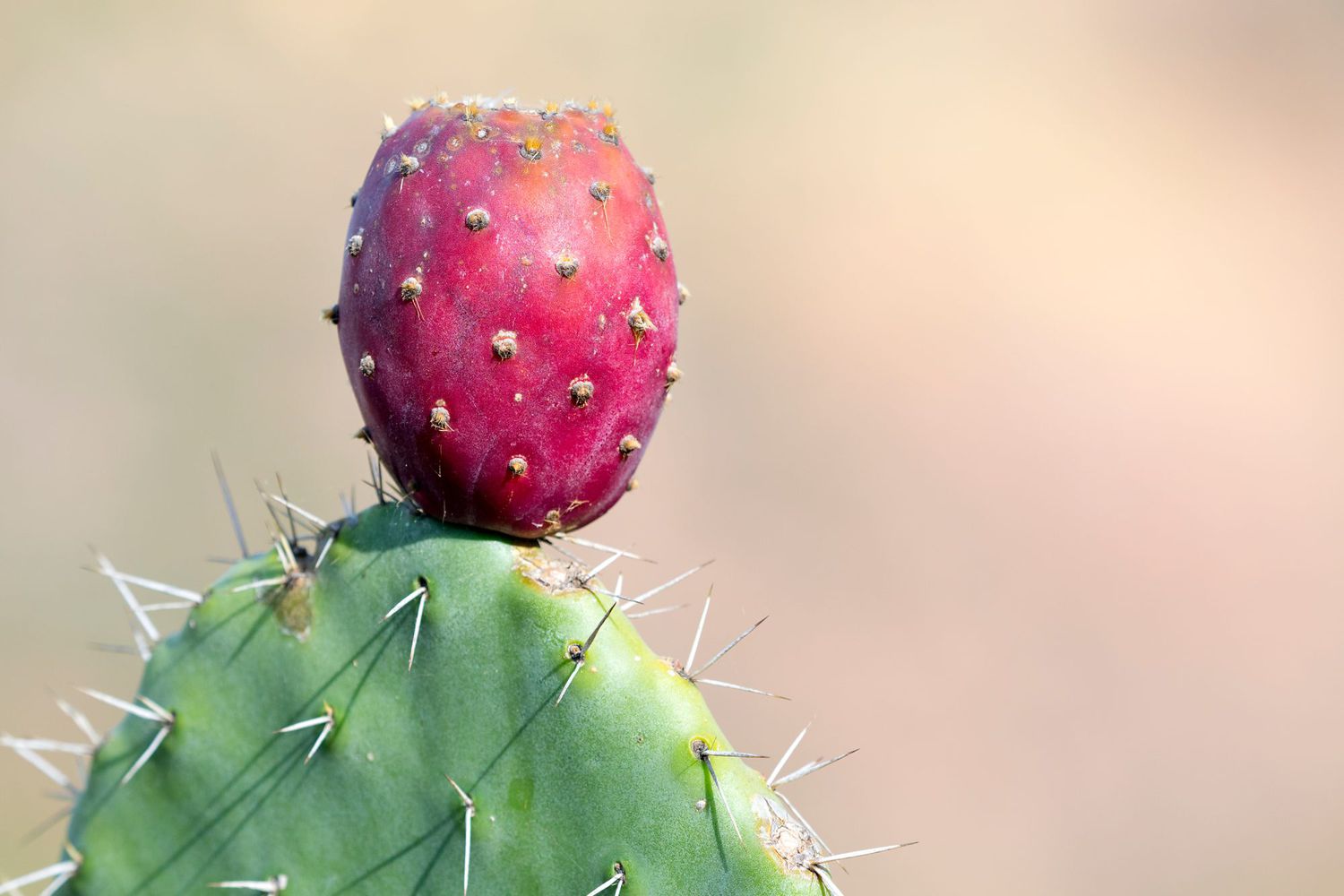
The culinary landscape is a ceaseless kaleidoscope, ever-shifting with the whims of taste, the demands of health, and the urgent call of our planet. From the acai berry’s meteoric rise to the enduring reign of kale, we’ve witnessed countless ingredients ascend to superfood status, only to eventually settle into a comfortable, if less sensational, niche. Yet, as we stand on the precipice of 2026, a new contender is not just knocking at the door but poised to burst through with a vibrant, unforgettable hue: the humble, yet extraordinary, cactus fruit.
This isn’t merely another passing trend, a fleeting fancy born of social media hype. The cactus fruit, specifically the prickly pear (or tuna as it’s known in many parts of the world), is a convergence point for every major force shaping our contemporary food system. It’s a nutritional powerhouse, a beacon of sustainability, a canvas for culinary innovation, and an economic opportunity for communities in the very regions most impacted by climate change. Its story is one of ancient wisdom meeting modern necessity, of desert resilience transforming into global desirability. In 2026, the world will not just taste the cactus fruit; it will embrace it as an essential ingredient, a symbol of a more conscious, delicious, and resilient future.
A Tapestry of Time: From Ancient Sustenance to Modern Superfruit
The story of the cactus fruit is not a new one, but rather a rediscovery. For millennia, the Opuntia ficus-indica species, from which the prickly pear fruit is harvested, has been a cornerstone of indigenous diets and traditional medicine across Mesoamerica. The Aztec civilization, in particular, revered the nopal cactus, incorporating its pads (nopales) and fruits (tunas) into their daily sustenance and spiritual iconography. The image of an eagle perched on a nopal cactus, devouring a serpent, remains the central emblem of the Mexican flag – a testament to the plant’s deep cultural significance.
As European colonizers traversed the Americas, they encountered this resilient plant and, recognizing its immense value, facilitated its spread across the globe. From the Mediterranean to North Africa, Australia, and parts of Asia, the prickly pear adapted, often thriving in arid and semi-arid lands where conventional crops struggled. Yet, for centuries, outside of its native and adopted regions, it remained largely overlooked by mainstream global cuisine. Often perceived as a thorny, difficult-to-handle "weed," its potential was obscured by its formidable exterior and limited knowledge of its preparation.
The shift began subtly in the late 20th and early 21st centuries. As global palates grew more adventurous and the search for novel ingredients intensified, chefs and food enthusiasts started to peel back the layers – both literal and metaphorical – of the prickly pear. They discovered a fruit with a delicate, subtly sweet flavor profile, reminiscent of a cross between watermelon and bubblegum, with hints of citrus. Its vibrant colors, ranging from deep fuchsia to sunny orange, captivated the eye. But it was the deeper dive into its nutritional composition and, crucially, its unparalleled environmental benefits that truly began to set the stage for its 2026 takeover. The world, facing unprecedented challenges, was finally ready to appreciate the emerald jewel of the desert.
The Nutritional Powerhouse: A Symphony of Health Benefits
For the knowledgeable consumer, an ingredient’s allure extends far beyond its taste or aesthetic appeal. It must deliver tangible health benefits, backed by scientific understanding. The cactus fruit excels in this arena, boasting an impressive nutritional profile that positions it firmly in the superfood category.
At its core, the prickly pear is a fantastic source of Vitamin C, a crucial antioxidant that supports immune function, collagen production, and iron absorption. But its benefits extend much further:
- Antioxidant Abundance (The Betalain Advantage): What truly sets cactus fruit apart is its exceptionally high concentration of betalains. These potent phytochemicals are responsible for the fruit’s stunning red, purple, and orange hues. Unlike anthocyanins, found in berries, betalains are a unique class of pigments with powerful antioxidant and anti-inflammatory properties. Research suggests betalains can combat oxidative stress, protect cells from damage, and even exhibit anti-cancer potential. For an audience increasingly concerned with cellular health and inflammation, this makes cactus fruit a compelling choice. Imagine a smoothie not just tasting good, but actively fighting free radicals with every sip.
- Dietary Fiber for Digestive Harmony: Like many fruits, prickly pear is rich in dietary fiber, both soluble and insoluble. This is vital for digestive health, promoting regularity, preventing constipation, and supporting a healthy gut microbiome. Soluble fiber, in particular, helps to regulate blood sugar levels and can contribute to lower cholesterol, making it beneficial for metabolic health. In an age where gut health is recognized as foundational to overall well-being, the cactus fruit offers a delicious and natural solution.
- Mineral Marvel: Beyond vitamins, the fruit is a significant source of essential minerals. It provides a good dose of magnesium, critical for muscle and nerve function, blood glucose control, and blood pressure regulation. Potassium contributes to fluid balance and heart health, while calcium supports bone density. These are not merely trace amounts but present in concentrations that meaningfully contribute to daily nutritional needs.
- Hydration Hero: With a high water content, cactus fruit is naturally hydrating, making it an excellent choice for refreshing beverages or as a snack during warmer months. This natural hydration, coupled with its electrolytes, makes it a superior alternative to artificially flavored sports drinks.
- Beyond the Basics (Phytochemical Diversity): The scientific exploration of cactus fruit is ongoing, revealing a complex array of other beneficial compounds, including various phenolic acids and flavonoids. These contribute synergistically to its overall health-promoting effects, suggesting that the whole fruit offers benefits that isolated nutrients cannot replicate.
For the knowledgeable consumer, these aren’t just abstract benefits; they represent a tangible investment in their health. The cactus fruit is not a fleeting health fad; it’s a nutritionally robust ingredient poised to become a staple in the discerning individual’s diet.
Culinary Canvas: Unlocking Unprecedented Versatility
The true test of a "must-have" ingredient lies in its adaptability within the kitchen. A superfood might be incredibly healthy, but if it’s difficult to work with or has a limited range of applications, its mainstream appeal will be stunted. Here, the cactus fruit truly shines, offering a remarkable versatility that spans the entire culinary spectrum, from refreshing beverages to gourmet savory dishes and decadent desserts.
1. The Beverage Revolution:
Perhaps the most immediate and accessible application for cactus fruit is in drinks. Its high water content, natural sweetness, and vibrant color make it an ideal base for:
- Juices and Smoothies: Pure prickly pear juice, either on its own or blended with other fruits, offers a refreshing, nutrient-dense drink. Its subtle sweetness and unique flavor profile elevate any smoothie blend. Imagine a vibrant pink "Desert Glow" smoothie featuring cactus fruit, mango, and a hint of lime.
- Infused Waters and Teas: Sliced cactus fruit can infuse water with delicate flavor and color, providing a visually appealing and healthy alternative to sugary drinks. Brewed into a tea, it offers a calming, antioxidant-rich infusion.
- Cocktails and Mocktails: Mixologists are increasingly drawn to its unique flavor and stunning hue. Prickly pear margaritas, spritzes, and non-alcoholic aguas frescas are already gaining traction, offering a sophisticated, exotic twist to classic recipes. Its natural tartness balances spirits beautifully, while its color adds undeniable visual appeal.
- Functional Beverages: Beyond simple juice, expect to see cactus fruit extracts in wellness shots, kombuchas, and sparkling probiotic drinks, capitalizing on its antioxidant and gut-health benefits.
2. Sweet Sensations:
The fruit’s natural sweetness and pectin content make it a dream for dessert applications: