We live in an age of constant striving, where our homes often mirror the relentless pace of our lives. Every corner is expected to be functional, every surface a display of our aspirations, every room a stage for our daily drama. Yet, there is one space that, above all others, demands a different kind of attention – a deeper reverence, a more intentional cultivation. This is the bedroom, the innermost sanctum, the silent witness to our most vulnerable moments of rest, rejuvenation, and intimacy.
For many, however, the bedroom has become a casualty of modern life. It’s a dumping ground for laundry, an overflow office, a digital hub, or simply a place where we collapse at the end of a long day, too exhausted to notice the subtle discord. We often underestimate its profound influence on our well-being, our relationships, and even our very sense of self. It’s a quiet truth that the quality of our sleep often dictates the quality of our waking hours, and the depth of our intimacy often reflects the care we invest in its dedicated space.
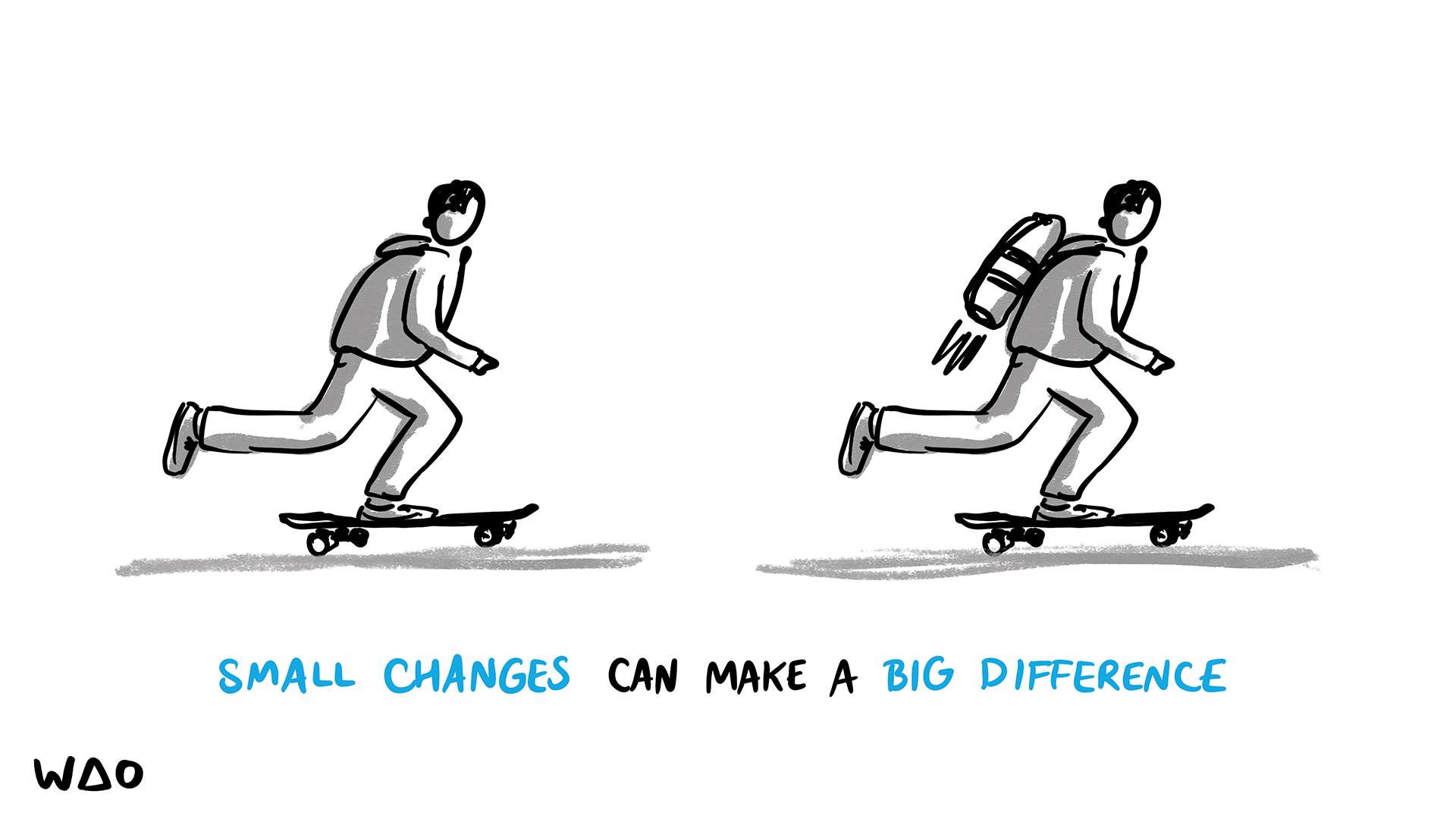
But what if reclaiming this vital sanctuary didn’t require a complete overhaul or a hefty budget? What if a few small, deliberate changes could initiate a ripple effect, transforming not just a room, but the very fabric of our daily existence? This is the story of how five seemingly minor adjustments can unlock profound shifts, turning a functional space into a powerful haven of peace, passion, and profound restoration. For the knowledgeable seeker, these aren’t just decorating tips; they are invitations to a deeper understanding of environmental psychology, physiological well-being, and the art of intentional living.
1. The Sanctuary of Simplicity: Decluttering the Physical & Mental Landscape
Consider Sarah, a high-achieving professional whose bedroom, despite its tasteful furniture, felt perpetually “heavy.” A stack of unread books teetered on her nightstand, a forgotten yoga mat lay in the corner, and a chair was perpetually draped with "wear-once-then-decide" clothes. While not overtly messy, the cumulative effect was a subtle hum of visual noise, a constant, low-level drain on her mental energy. Sarah, like many of us, had allowed the peripheral detritus of her busy life to seep into her most private space, inadvertently creating an environment that whispered of unfinished tasks rather than beckoning her to unwind.
The first, and perhaps most foundational, small change is to declutter with purpose. This isn’t merely about tidiness; it’s about reclaiming mental bandwidth. Our brains are constantly processing visual information, and a cluttered environment, even subtly so, increases cognitive load. Each item out of place, each stray paper, each forgotten accessory, demands a fraction of our attention, contributing to a background hum of stress and decision fatigue. Psychologically, clutter can represent unfinished business, unresolved issues, or a lack of control, all antithetical to the state of peace required for restorative sleep and genuine intimacy.
The Nuance for the Knowledgeable:
This isn’t just about Marie Kondo’s "spark joy." It delves into environmental psychology, where the concept of "perceived chaos" significantly impacts our autonomic nervous system. A cluttered space can elevate cortisol levels and reduce our ability to relax. It disrupts the flow of qi, as feng shui practitioners would say, creating stagnant energy. The goal is to minimize "visual noise" – the cacophony of stimuli that prevents our minds from truly settling.
Practical Steps for a Profound Shift:
- The Nightstand Purge: This is often the epicenter of bedroom clutter. Limit it to essentials: a lamp, a book currently being read, a glass of water, perhaps a small, meaningful object. Everything else needs a designated home elsewhere.
- The Chair of Shame: That ubiquitous chair where clothes accumulate? Remove it, or dedicate it strictly to its original purpose. Better yet, introduce a beautiful hamper or invest in a proper wardrobe system. The visual reminder of clothes needing to be put away is a subtle stressor.
- One In, One Out: Adopt this simple rule for all new purchases. If a new decorative item, book, or piece of clothing comes into the bedroom, something old must leave.
- Hidden Storage, Not Hidden Clutter: Utilize under-bed storage or aesthetically pleasing baskets, but ensure they contain truly stored items, not just things shoved out of sight. The mind knows.
- The Digital Detox Drawer: Create a designated drawer (perhaps in your nightstand) for charging phones and other devices outside the bedroom. This signals to your brain that the digital world is contained, not omnipresent.
By intentionally clearing the physical space, Sarah found her mind felt clearer too. The constant subtle nudges to "do something" faded, replaced by an invitation to simply be. This newfound mental spaciousness allowed her to unwind more effectively, making sleep more accessible and creating a more inviting atmosphere for connection with her partner. Decluttering is not just about aesthetics; it’s an act of self-respect, a declaration that this sacred space deserves clarity and calm.
2. The Art of Illumination: Harnessing Light and Shadow
Mark and Emily had always taken their bedroom lighting for granted. A harsh overhead light for getting dressed, and two bedside lamps with glaring white bulbs for reading. They knew they "should" dim the lights before bed, but the actual impact felt negligible. Their sleep was often restless, and the atmosphere, while functional, lacked any sense of warmth or intimacy. They were missing the profound, almost primordial, connection between light, human physiology, and emotional well-being.
The second small change is to master the art of illumination and darkness. Light is not just for seeing; it is a powerful environmental cue that dictates our circadian rhythm, influencing hormone production, mood, and energy levels. Its absence, absolute darkness, is equally crucial for deep, restorative sleep.
The Nuance for the Knowledgeable:
Our bodies are exquisitely tuned to the natural light-dark cycle. Exposure to bright, blue-spectrum light in the evening suppresses melatonin production, the hormone essential for initiating sleep. Conversely, natural light exposure in the morning helps regulate our internal clock, boosting alertness and mood. The spectral power distribution of light sources is key here. Warm, amber-toned light (lower Kelvin temperatures) mimics sunset, signaling to the brain that it’s time to wind down.
Practical Steps for a Profound Shift:
- Embrace Natural Light: Maximize natural light during the day. Open curtains, keep windows clean. Natural light boosts serotonin, improves mood, and helps solidify your circadian rhythm.
- Install Dimmers: This is perhaps the most impactful and underutilized lighting tool. Dimmers on all bedroom lights allow for nuanced control, transitioning from brighter light for tasks to a soft, ambient glow for relaxation and intimacy.
- Warm-Toned Bulbs: Replace harsh, cool-white LED bulbs (which mimic daylight) with warm-white or amber-toned bulbs (2200-2700K). This subtle shift creates an immediate sense of coziness and signals relaxation.
- Layered Lighting: Instead of just one overhead fixture, consider lamps at different heights. Bedside lamps provide task lighting for reading, while a soft floor lamp or sconce can offer ambient glow.
- The Power of Darkness: Invest in blackout curtains or blinds. Even a sliver of light from a streetlamp or digital device can disrupt melatonin production and sleep quality. For optimal sleep, the room should be as dark as possible. Consider an eye mask if external light is unavoidable.