In the annals of metabolic medicine, few advancements have captured the collective imagination quite like the advent of GLP-1 receptor agonists. These groundbreaking medications, initially hailed for their profound impact on glycemic control, have since unveiled a multifaceted power, revolutionizing weight management and offering tantalizing glimpses into broader cardiovascular and renal benefits. For millions navigating the complexities of type 2 diabetes and obesity, GLP-1 medications represent not just a prescription, but a paradigm shift—a tangible pathway toward reclaiming health and vitality.
Yet, even with such powerful tools at our disposal, the human spirit inherently seeks optimization. The journey toward metabolic wellness is rarely a solitary one, nor is it a finish line. It’s a continuous quest for synergy, for strategies that amplify effect, mitigate challenges, and foster a deeper, more sustainable state of health. This pursuit often leads us beyond the pharmaceutical realm, into the intriguing landscape of nutraceuticals and dietary supplements—compounds that, when chosen wisely and integrated thoughtfully, might just hold the key to unlocking an even greater therapeutic potential from our GLP-1 allies.
This isn’t a narrative about replacing medication; it’s a story about intelligent partnership. It’s about understanding the intricate dance of biochemistry and physiology, and identifying natural compounds that resonate with, support, and potentially magnify the very pathways GLP-1 medications elegantly orchestrate. For the knowledgeable audience, those who understand the nuances of metabolic science and seek to empower themselves with informed choices, we embark on a deep dive into five such supplements—Berberine, Alpha-Lipoic Acid, Chromium Picolinate, Psyllium Husk, and Magnesium—each with a unique story and a compelling rationale for its potential role in enhancing the GLP-1 journey.
The GLP-1 Revolution: A Foundation of Understanding
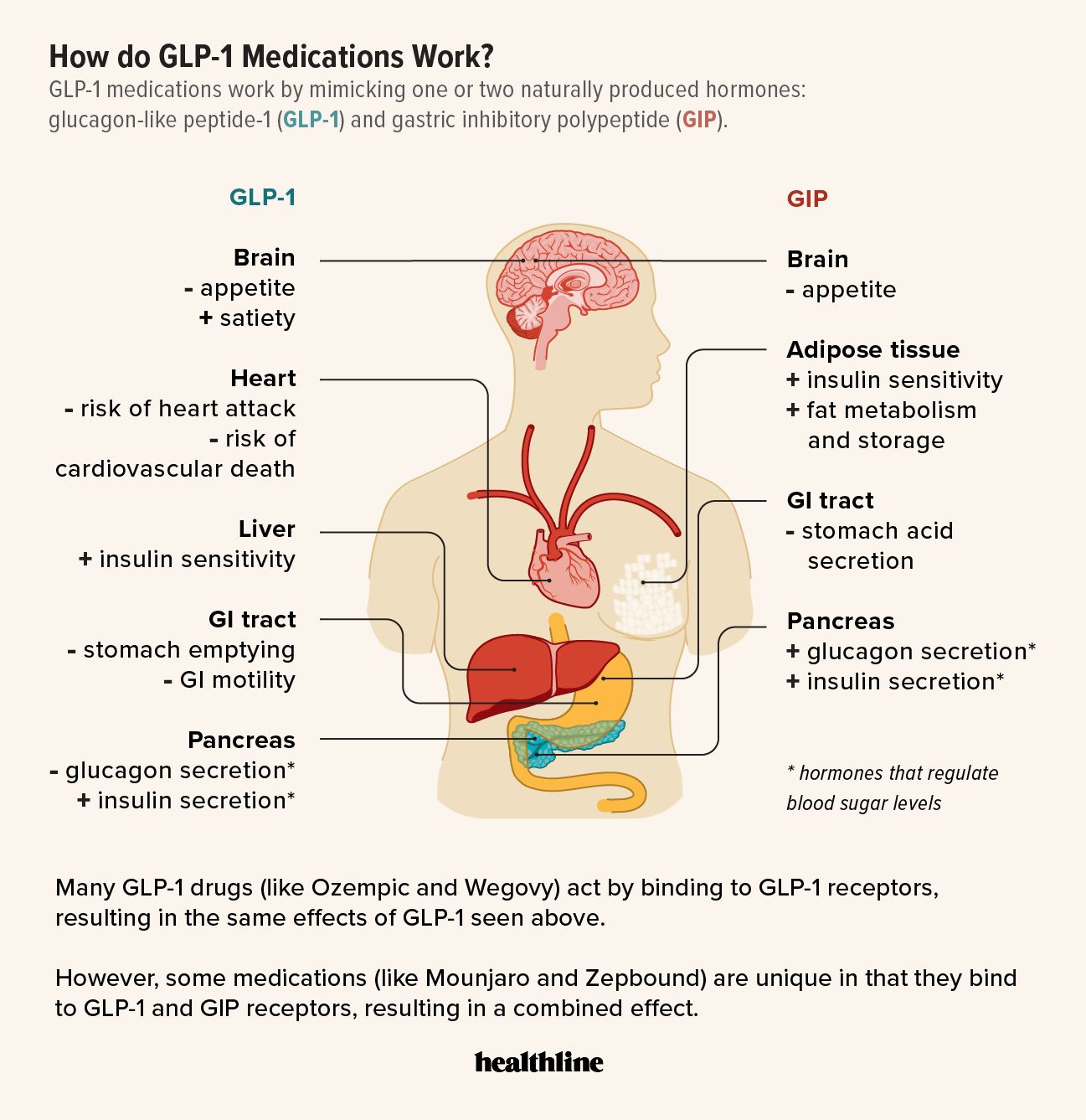
Before we delve into our synergistic allies, let’s briefly re-establish the profound impact of GLP-1 receptor agonists (RAs). These medications mimic the action of glucagon-like peptide-1, a naturally occurring incretin hormone secreted by L-cells in the gut in response to food intake. GLP-1’s physiological symphony includes several critical movements:
- Glucose-Dependent Insulin Secretion: It stimulates the pancreas to release insulin only when blood glucose levels are high, minimizing the risk of hypoglycemia.
- Glucagon Suppression: It inhibits the release of glucagon, a hormone that raises blood sugar, particularly after meals.
- Delayed Gastric Emptying: It slows down the rate at which food leaves the stomach, leading to increased satiety and reduced post-meal glucose spikes.
- Central Appetite Suppression: It acts on specific receptors in the brain, reducing hunger and cravings, leading to decreased caloric intake.
- Cardioprotective and Nephroprotective Effects: Emerging evidence highlights direct benefits on the heart and kidneys, independent of glycemic control.
The combined effect of these mechanisms is remarkable: significant improvements in HbA1c, substantial weight loss, and a reduction in cardiovascular risk factors. Yet, even with these powerful effects, individual responses vary. Some experience greater weight loss than others, some struggle with side effects, and many seek ways to optimize their metabolic milieu further. This is where the concept of synergistic supplementation enters the narrative—not as a fix for inadequacies, but as a sophisticated strategy to cultivate an even more fertile ground for GLP-1’s beneficial actions.
The Quest for Synergy: A Framework for Intelligent Partnership
The rationale for integrating specific supplements with GLP-1 medications stems from a holistic understanding of metabolic health. Our bodies are complex ecosystems, and GLP-1 RAs are powerful interventions within this system. However, underlying nutrient deficiencies, chronic inflammation, oxidative stress, and suboptimal gut health can impede the full expression of even the most potent medications.
Synergistic supplements aim to:
- Address Root Causes: Tackle metabolic dysfunctions (e.g., insulin resistance, inflammation) that GLP-1 medications also target but may not fully resolve on their own.
- Support Complementary Pathways: Enhance metabolic processes that indirectly support GLP-1’s actions, such as energy metabolism, antioxidant defenses, or gut microbiome balance.
- Optimize Nutrient Status: Correct deficiencies that can hinder overall metabolic function, ensuring the body has the building blocks it needs to respond optimally to therapy.
- Potentially Mitigate Side Effects: While not a primary goal, some supplements might indirectly support GI comfort or overall well-being.
Crucially, this approach requires an understanding that these supplements are not magic bullets. They are intelligent co-pilots, working best within a comprehensive lifestyle framework that includes balanced nutrition, regular physical activity, adequate sleep, and stress management. And, perhaps most importantly, their integration must always be a collaborative decision made in consultation with a knowledgeable healthcare provider, given the potential for interactions and individual variability.
The Five Unseen Allies: Deep Dives into Synergy
Let us now introduce our five potential allies, each bringing a unique set of skills to the metabolic battlefield, poised to potentially amplify the GLP-1 narrative.
1. Berberine: The Ancient AMPK Activator
The Story: Berberine, a vibrant yellow alkaloid extracted from plants like Berberis aristata (Indian barberry) and Coptis chinensis (goldthread), has been a cornerstone of traditional Chinese and Ayurvedic medicine for centuries. Its journey from ancient remedy to modern scientific interest is a compelling one, as researchers discovered its remarkable ability to mimic some of the effects of metformin, a foundational drug in diabetes management. This "ancient wisdom meets modern pharmacology" narrative makes berberine a fascinating candidate for GLP-1 synergy.
Mechanism of Action: Berberine’s metabolic prowess is largely attributed to its activation of AMP-activated protein kinase (AMPK). AMPK is a master regulator of energy metabolism, often dubbed the "metabolic master switch." When activated, AMPK promotes catabolic processes (energy production) and inhibits anabolic processes (energy storage). Specifically, berberine’s AMPK activation leads to: