The quest for effective weight loss has long been a siren song, luring millions with promises of transformation and health. In recent years, a new star has ascended in this firmament: Ozempic, a GLP-1 receptor agonist originally developed for type 2 diabetes, which has demonstrated remarkable efficacy in promoting significant weight reduction. Its rise has been meteoric, transforming bodies and generating billions, yet leaving in its wake questions of accessibility, cost, and the relentless search for alternatives.
Amidst this pharmaceutical revolution, whispers have begun to coalesce around a humble, ancient remedy: psyllium husk. Suddenly, this fibrous staple of natural health stores and grandma’s medicine cabinet is being hailed as the "Poor Man’s Ozempic." It’s a bold claim, one that pits a natural, inexpensive dietary supplement against a cutting-edge, high-cost injectable medication. But can this unassuming seed husk truly stand in the shadow of its pharmaceutical counterpart? Can it genuinely help you lose weight, or is this merely another chapter in the endless saga of health hype?
For the knowledgeable audience, discerning fact from fiction requires a deep dive into the mechanisms, the science, and the lived experience. This isn’t just about comparing two substances; it’s about understanding the complex interplay of human physiology, the power of expectations, and the enduring appeal of a simple solution to a complex problem. Let us embark on this journey, separating the marketing from the molecular, and the aspiration from the evidence.
The Ozempic Phenomenon: A Glimpse into the Future of Weight Management
To truly appreciate the context in which psyllium is being lauded, we must first understand the benchmark: Ozempic. Developed by Novo Nordisk, semaglutide (the active compound in Ozempic, and its weight-loss specific variant, Wegovy) mimics the action of glucagon-like peptide-1 (GLP-1), a naturally occurring hormone. GLP-1 plays a crucial role in glucose metabolism, stimulating insulin secretion in a glucose-dependent manner and suppressing glucagon release. However, its impact extends far beyond blood sugar control.
The mechanism by which semaglutide facilitates weight loss is multifaceted and potent:
- Delayed Gastric Emptying: GLP-1 agonists slow down the rate at which food leaves the stomach. This means food stays in the digestive system longer, leading to a prolonged feeling of fullness and reduced appetite.
- Increased Satiety: By acting on receptors in the brain, particularly in the hypothalamus, semaglutide directly influences satiety signals, leading to a significant reduction in hunger and cravings. Patients report feeling satisfied with smaller portions and experiencing less desire to eat between meals.
- Appetite Suppression: Beyond satiety, there’s a direct dampening of appetite, making adherence to a calorie-restricted diet significantly easier.
The clinical trial data supporting semaglutide’s efficacy for weight loss are compelling. Studies have shown average weight reductions of 15-20% of body weight, a level previously achievable only through bariatric surgery. This profound impact has rightly elevated GLP-1 agonists to a revolutionary status in the fight against obesity.
However, this revolution comes with significant caveats. Ozempic is an injectable medication, typically administered weekly. Its cost is substantial, often exceeding $1,000 per month without insurance, placing it out of reach for many. Side effects, while generally manageable, can include nausea, vomiting, diarrhea, and constipation. Furthermore, it’s a pharmaceutical intervention with long-term implications that are still being fully understood. The desire for a more accessible, affordable, and potentially "natural" alternative is therefore not just understandable, but inevitable.
Psyllium Husk: The Ancient Remedy Reimagined
Enter psyllium husk, derived from the seeds of Plantago ovata, an herb primarily grown in India. For centuries, traditional medicine systems, including Ayurveda, have recognized its therapeutic properties, particularly its ability to alleviate constipation. In Western cultures, it’s perhaps best known as the active ingredient in many over-the-counter laxatives and fiber supplements like Metamucil.
What makes psyllium husk so effective, and why is it now being discussed in the same breath as Ozempic? The answer lies in its unique composition: it is an exceptionally rich source of soluble dietary fiber. While it contains some insoluble fiber, it’s the soluble, gel-forming fraction that is primarily responsible for its widespread benefits.
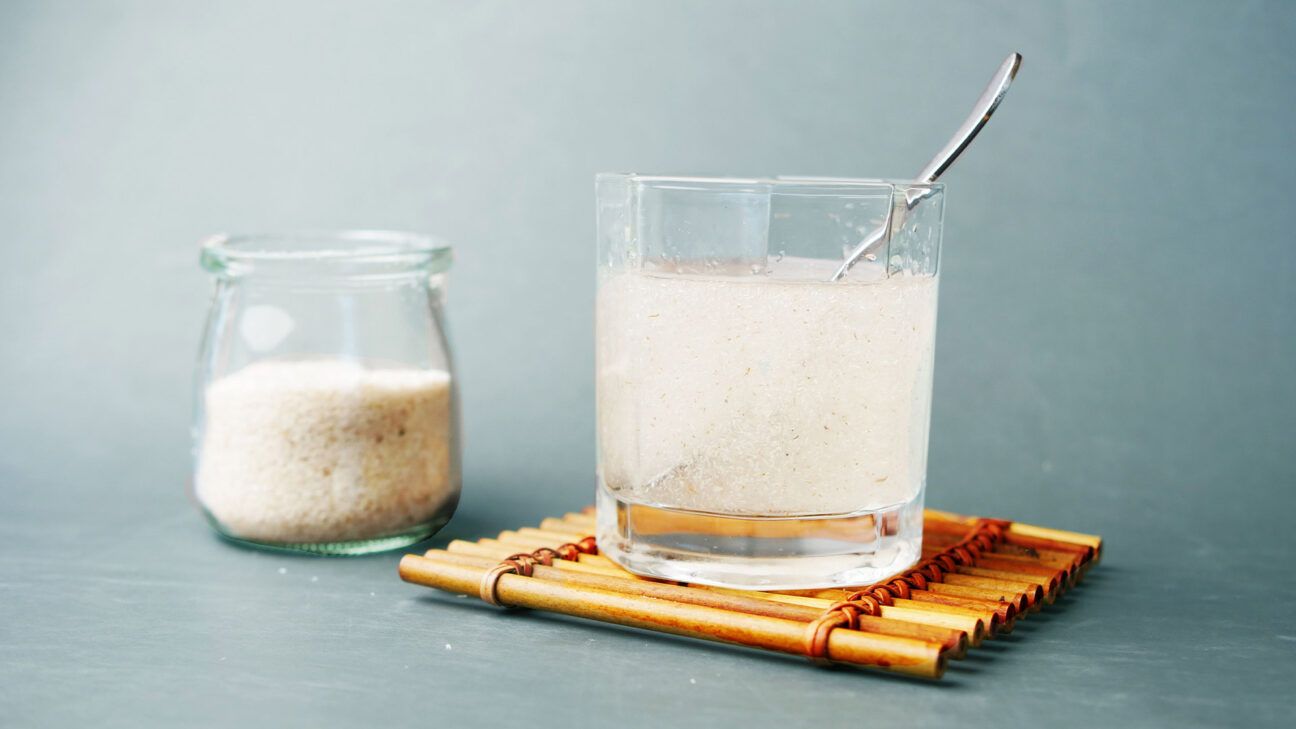
When psyllium husk comes into contact with water, it absorbs a remarkable amount, swelling to many times its original size and forming a viscous, gelatinous mass. This simple physical property underpins most of its purported health advantages, including its potential role in weight management.
The Science of Satiety: How Psyllium Mimics Ozempic’s Magic (and Where it Differs)
The core argument for psyllium as the "Poor Man’s Ozempic" hinges on its ability to induce satiety and influence metabolic processes. Let’s dissect the mechanisms:
-
Volume and Satiety: When ingested with sufficient water, psyllium husk expands significantly in the stomach. This increased bulk creates a physical distention of the stomach walls, sending signals to the brain that contribute to a feeling of fullness (satiety). This direct mechanical action can help reduce overall food intake because individuals feel satisfied on fewer calories. In this regard, it shares a conceptual similarity with Ozempic’s effect of slowing gastric emptying, though the mechanism is different. Ozempic slows the transit of existing food; psyllium adds bulk that contributes to fullness even before significant digestion.
-
Delayed Gastric Emptying (Indirectly): While psyllium doesn’t directly act on hormonal pathways like GLP-1, its viscous gel can physically impede the movement of chyme (partially digested food) from the stomach into the small intestine. This means that, like Ozempic, psyllium can slow down the rate at which nutrients are absorbed, leading to a more sustained release of glucose into the bloodstream and a prolonged sensation of fullness. This extended satiety can reduce the urge to snack between meals and may contribute to a lower overall caloric intake throughout the day.
-
Blood Sugar Regulation and Insulin Sensitivity: The viscous gel formed by psyllium in the small intestine also plays a critical role in modulating glucose absorption. By creating a physical barrier, it slows down the digestion and absorption of carbohydrates, preventing rapid spikes in blood glucose levels after meals. This "flattening" of the glucose curve is beneficial for several reasons: