The aroma of freshly brewed coffee, a comforting whisper that ushers in the day for millions, is more than just a sensory delight; it’s a potent brew brimming with bioactive compounds. For many, this daily ritual is intertwined with the pursuit of well-being, including the perennial quest for weight loss. But in a world increasingly attuned to optimization, the simple act of drinking coffee transforms into a strategic decision: when, precisely, is the best time to harness its metabolic might for shedding unwanted pounds?
This isn’t merely a question of convenience or habit. It’s a fascinating journey into the intricate dance between human chronobiology, metabolic pathways, and the complex pharmacology of one of the world’s most beloved beverages. For the knowledgeable individual seeking to refine their approach to health, understanding this delicate interplay is paramount. This article aims to tell that story, delving deep into the science, the myths, and the personalized strategies that can transform your coffee habit into a powerful ally in your weight loss journey.
The Foundation: How Coffee Aids Weight Loss
Before we dissect the "when," it’s crucial to understand the "how." Coffee, primarily through its star compound caffeine, is a well-established ergogenic aid and metabolic stimulant. Its multifaceted influence on the body contributes to weight loss through several key mechanisms:
-
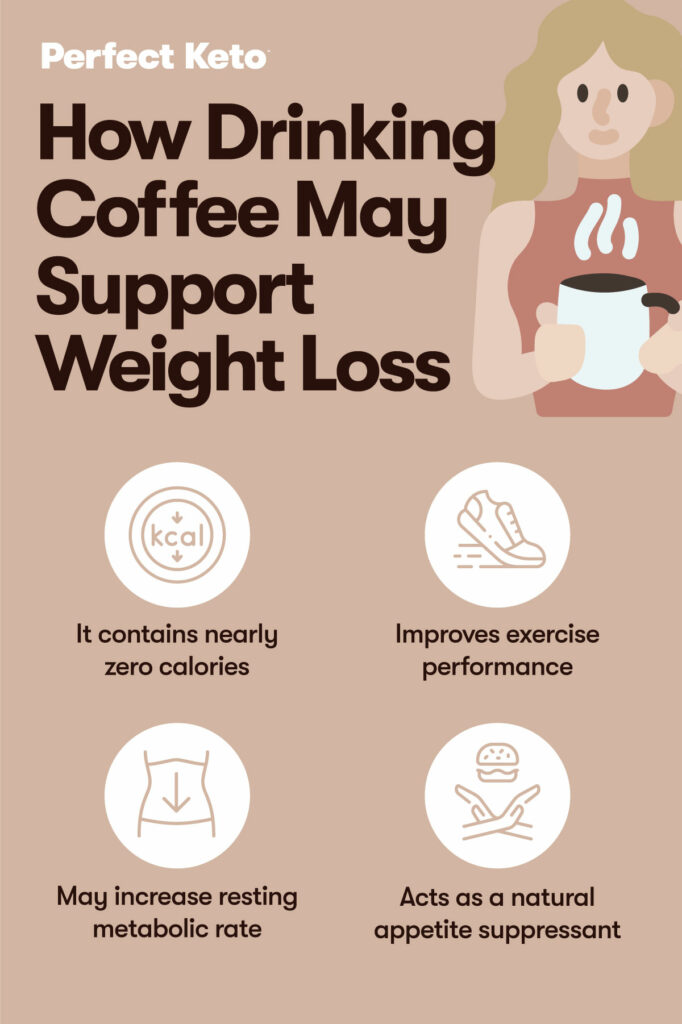
Thermogenesis and Metabolic Rate: Caffeine is a known thermogenic agent, meaning it increases the body’s heat production. This process requires energy, thereby subtly boosting your resting metabolic rate (RMR). Even a small increase in RMR over time can contribute to a significant increase in daily calorie expenditure. The mechanism involves the stimulation of the central nervous system, which in turn increases the release of neurotransmitters like norepinephrine and epinephrine. These catecholamines bind to beta-adrenergic receptors on fat cells (adipocytes), initiating a cascade that leads to increased lipolysis – the breakdown of stored fats into free fatty acids and glycerol, which can then be used for energy.
-
Fat Oxidation: Beyond merely burning more calories, caffeine appears to shift the body’s fuel preference towards fat oxidation, particularly during exercise. Studies have shown that caffeine consumption can enhance the utilization of fat as an energy source, sparing glycogen stores. This is especially beneficial for endurance activities and for individuals aiming to reduce body fat. The increased availability of free fatty acids in the bloodstream, coupled with enhanced mitochondrial activity, contributes to this shift.
-
Appetite Suppression and Satiety: While not as potent as some pharmaceutical interventions, caffeine can have a mild anorexigenic effect, meaning it can temporarily reduce appetite. This might be due to its impact on certain gut hormones or its general stimulating effect, which can distract from hunger cues. Moreover, the act of consuming a warm, flavorful beverage can itself provide a sense of satiety and fullness, helping to curb mindless snacking. Black coffee, being virtually calorie-free, provides this benefit without adding to the daily caloric load.
-
Enhanced Exercise Performance: Perhaps one of the most direct pathways to weight loss, caffeine significantly improves physical performance. By blocking adenosine receptors in the brain, caffeine reduces the perception of effort, allowing individuals to exercise longer, harder, or with more intensity. This translates to more calories burned during workouts, greater muscle engagement, and improved overall fitness – all critical components of a successful weight loss strategy. It also delays muscle fatigue and enhances focus, making workouts more effective and enjoyable.
-
Chlorogenic Acids and Antioxidants: Beyond caffeine, coffee is a rich source of antioxidants, notably chlorogenic acids (CGAs). These compounds have garnered attention for their potential role in glucose metabolism and fat absorption. Research suggests CGAs may inhibit carbohydrate absorption in the gut, improve insulin sensitivity, and reduce the accumulation of fat in the liver. While their effects are subtler than caffeine’s, they contribute to coffee’s overall metabolic benefits, working synergistically with caffeine to promote a healthier metabolic profile.
However, it’s crucial to underscore that these benefits are most pronounced with black coffee. The addition of sugars, artificial sweeteners, creamers, and calorie-dense flavorings can quickly negate any metabolic advantage, turning a potentially beneficial beverage into a caloric bomb that hinders, rather than helps, weight loss.
The Chronobiological Lens: Why Timing is Everything
The human body is a masterpiece of intricate biological clocks, governed by circadian rhythms that dictate nearly every physiological process, from hormone secretion to metabolic activity. Ignoring these rhythms when considering coffee intake for weight loss is akin to trying to conduct an orchestra without a conductor. Understanding our internal clock is the key to optimizing coffee’s impact.
Cortisol and the Morning Awakening Response (CAR):
One of the most significant hormonal fluctuations relevant to coffee timing is the Cortisol Awakening Response (CAR). Cortisol, often dubbed the "stress hormone," plays a vital role in regulating energy, immune function, and stress response. Its levels naturally peak shortly after waking (typically within 30-60 minutes), providing a natural surge of alertness and energy to kickstart the day. This is the body’s inherent mechanism for mobilizing glucose and preparing for the demands ahead.
Introducing caffeine during this natural cortisol peak can be problematic. Both caffeine and cortisol stimulate the central nervous system and elevate heart rate and blood pressure. Combining them can:
- Exacerbate Stress Response: Artificially high cortisol levels, especially when prolonged, are associated with increased abdominal fat storage, insulin resistance, and heightened anxiety. Adding caffeine to an already rising cortisol level might push the body into an unnecessary state of heightened physiological stress.