The body tells many stories, some loud and clear, others whispered in the quiet discomfort of daily life. For millions of individuals, the story of vaginal dryness is one of these silent narratives – a tale of irritation, itching, pain, and a gradual erosion of comfort and intimacy. It’s a narrative often shrouded in embarrassment, misunderstood as an inevitable part of aging, or dismissed as a minor inconvenience. Yet, for those who experience it, vaginal dryness is anything but minor. It can impact self-esteem, sexual relationships, physical activity, and overall quality of life.
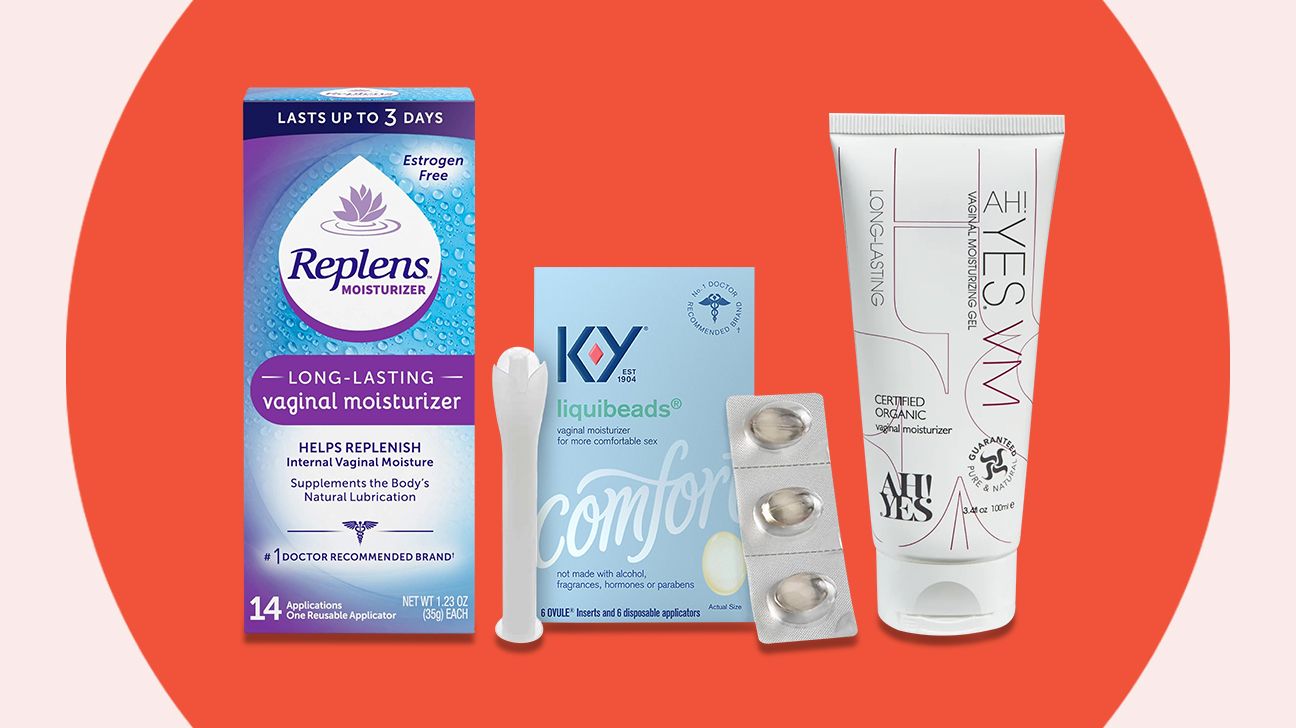
This is not merely a clinical condition; it is a profound human experience that deserves empathy, understanding, and effective solutions. Within the realm of intimate wellness, vaginal moisturizers emerge as a powerful, often overlooked, protagonist in this story. Far more than a temporary fix, these products offer a path to sustained relief, tissue restoration, and a reclamation of comfort, confidence, and connection. This article will delve deep into the world of vaginal dryness and its sophisticated ally, the vaginal moisturizer, exploring its diverse types, the science behind its effectiveness, and a comprehensive guide to integrating it into a journey toward renewed well-being.
Chapter 1: The Unseen Landscape – Understanding Vaginal Dryness
To truly appreciate the solution, we must first understand the challenge. Vaginal dryness is not a singular phenomenon but a symptom with a myriad of causes, primarily rooted in the delicate hormonal balance and physiological integrity of the vulvovaginal tissues.
The "Why": Etiology and Pathophysiology
At the heart of vaginal health lies estrogen, a hormone that acts as the architect and superintendent of the vaginal ecosystem. Estrogen ensures the vaginal lining (mucosa) remains thick, elastic, well-lubricated, and rich in glycogen. Glycogen, in turn, is food for beneficial lactobacilli, which produce lactic acid, maintaining the vagina’s naturally acidic pH (3.5-4.5). This acidic environment is crucial for fending off harmful bacteria and yeast. When estrogen levels decline or are disrupted, this intricate system begins to falter.
The Primary Story: Menopause and Perimenopause
The most common and widely recognized cause of vaginal dryness is the menopausal transition, encompassing perimenopause and postmenopause. As ovarian function declines, estrogen production dwindles, leading to a cascade of changes collectively known as Genitourinary Syndrome of Menopause (GSM), formerly called vulvovaginal atrophy (VVA). The vaginal walls thin, become less elastic, lose their natural lubrication, and the rugae (folds) flatten. Blood flow to the area decreases, and the pH rises, making the tissues more fragile, prone to irritation, and susceptible to infections. This isn’t a sudden event but a gradual transformation, often beginning in perimenopause and progressing with time.
Beyond Menopause: Other Chapters in the Story
While menopause is a major player, it’s critical to understand that vaginal dryness is not exclusive to this life stage. Many other factors can contribute:
- Childbirth and Breastfeeding: The hormonal shifts during and after pregnancy, particularly the low estrogen levels associated with breastfeeding, can induce temporary but significant vaginal dryness. Prolactin, the hormone responsible for milk production, can suppress estrogen.
- Cancer Treatments: This is a particularly poignant chapter. Chemotherapy, radiation therapy to the pelvic area, and anti-estrogen therapies (like Tamoxifen or aromatase inhibitors used for hormone-sensitive breast cancers) can severely impact ovarian function or directly block estrogen receptors, leading to profound and often long-lasting vaginal dryness. For many cancer survivors, this becomes a chronic issue, compounding the already immense challenges of their recovery.
- Surgical Menopause: Oophorectomy (surgical removal of the ovaries) immediately triggers menopause, leading to an abrupt and often severe onset of GSM symptoms, including dryness.
- Certain Medications: A surprising number of common medications can have vaginal dryness as a side effect. These include:
- Antihistamines and Decongestants: Designed to dry up mucous membranes, they can inadvertently dry out vaginal tissues too.
- Antidepressants: Particularly selective serotonin reuptake inhibitors (SSRIs), can affect lubrication.
- Some Blood Pressure Medications: Certain diuretics can contribute.
- Endometriosis Treatments: Medications that suppress estrogen (e.g., GnRH agonists) to manage endometriosis can induce temporary menopausal symptoms.
- Autoimmune Diseases: Conditions like Sjögren’s Syndrome, which targets moisture-producing glands throughout the body, can cause severe dryness not just in the eyes and mouth, but also in the vagina.
- Lifestyle Factors:
- Douching and Harsh Soaps: These disrupt the delicate pH balance and strip away natural lubricants, leading to irritation and dryness.
- Certain Fabrics: Tight, non-breathable underwear can create an environment conducive to irritation.
- Stress: Chronic stress can impact hormonal balance.
- Lack of Arousal: Insufficient foreplay or arousal can lead to temporary dryness during intercourse.