From the earliest stirrings of life to the complex dance of human reproduction, one substance stands as a silent, yet potent, protagonist: semen. Often reduced in casual conversation to a mere vehicle for sperm, semen is, in reality, a remarkably intricate biological fluid, a meticulously crafted cocktail designed for a singular, monumental purpose: the propagation of the species. It’s an entire ecosystem, a microscopic marvel engineered with astounding precision, carrying within its milky depths the potential for a new beginning.
For something so fundamental to life, semen is surprisingly misunderstood. Its composition, its journey, its very purpose beyond the obvious, are subjects that often remain veiled, discussed in hushed tones or reduced to clinical terms. Yet, to truly appreciate the wonder of human biology, one must delve into the story of semen – a tale of incredible biochemical engineering, a testament to evolution’s ingenuity, and a vital indicator of male health.
This article aims to pull back that veil, to explore the multifaceted nature of semen, tracing its origins, dissecting its components, and revealing the profound roles each plays in the grand narrative of reproduction. We’ll journey from the cellular workshops where sperm are forged to the complex glandular network that creates the seminal fluid, ultimately understanding why this unassuming liquid is far more than the sum of its parts. And to quench the thirst for knowledge that often accompanies such a fundamental topic, we’ll address 12 frequently asked questions, providing a comprehensive guide for the knowledgeable and curious mind.
The Grand Orchestration: What Semen Truly Is
Imagine an elite commando unit, tasked with infiltrating hostile territory to deliver a vital package. These commandos (sperm) are highly specialized, but they cannot succeed alone. They need transport, sustenance, protection, and a clear path. This is where semen comes in: it’s the entire logistical support system, the specialized vehicle, the protective shield, and the energy source, all rolled into one.
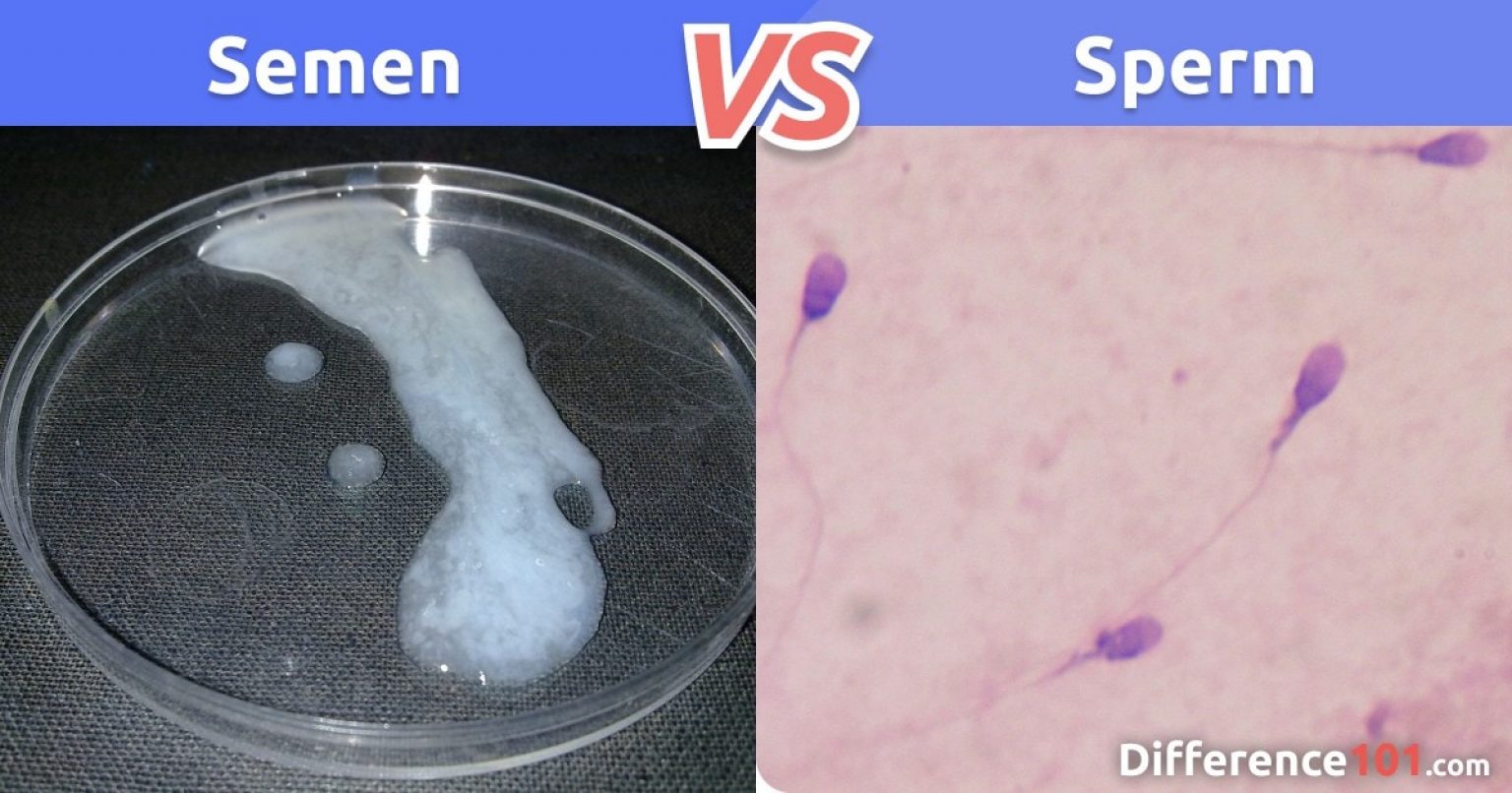
At its core, semen is an organic fluid, expelled from the male reproductive tract during ejaculation. While sperm are undoubtedly the most famous residents of this fluid, they constitute a surprisingly small percentage of its total volume—typically less than 5%. The vast majority of semen, around 95-99%, is seminal plasma, a complex blend of fluids produced by several accessory glands, each contributing unique and critical components.
This intricate composition is a testament to the evolutionary pressures faced by sperm. Their journey through the female reproductive tract is fraught with peril: acidic environments, immune system defenses, and the sheer physical challenge of reaching the egg. Semen is designed to mitigate these challenges, providing a buffered, nourished, and protected environment that maximizes the chances of fertilization.
The Journey Begins: Where Semen Comes From
The creation of semen is a collaborative effort involving a series of specialized organs, each playing a crucial role in assembling the final product. It’s a journey that begins in the testes and culminates in the urethra.
-
The Testes: The primary male reproductive organs, the testes are the manufacturing sites for sperm (spermatozoa) through a process called spermatogenesis. This is where the commandos are born. They also produce testosterone, the primary male sex hormone, which regulates this entire process.
-
The Epididymis: After their formation in the testes, immature sperm migrate to the epididymis, a coiled tube located on the posterior side of each testis. Here, sperm undergo a crucial maturation process, gaining motility (the ability to swim) and the capacity to fertilize an egg. They are stored here until ejaculation.
-
The Vas Deferens: During sexual arousal, sperm are propelled from the epididymis into the vas deferens, a muscular tube that ascends into the pelvic cavity, loops over the bladder, and eventually joins with the seminal vesicle duct to form the ejaculatory duct. This is the main highway for sperm.
-
The Seminal Vesicles: These are a pair of glandular sacs located behind the bladder. They contribute the largest volume (around 60-70%) to the seminal plasma. Their fluid is rich in fructose, a sugar that serves as the primary energy source for sperm motility. It also contains prostaglandins, which stimulate contractions in the female reproductive tract, helping sperm move towards the egg, and coagulating proteins, which cause semen to temporarily thicken after ejaculation.
-
The Prostate Gland: Situated just below the bladder and surrounding the urethra, the prostate gland contributes about 20-30% of the seminal fluid. Its milky, slightly acidic fluid contains citrate (a nutrient for sperm), prostate-specific antigen (PSA), which is an enzyme that helps liquefy the coagulated semen after ejaculation, and various enzymes and zinc, which may help stabilize sperm DNA and offer antimicrobial properties.
-
The Bulbourethral Glands (Cowper’s Glands): These small glands are located just below the prostate. Before ejaculation, they produce a clear, viscous fluid known as pre-ejaculate or Cowper’s fluid. While contributing a very small volume to the final ejaculate, this fluid plays a vital role in lubricating the urethra and neutralizing any residual acidity from urine, creating a more hospitable environment for the sperm.
-