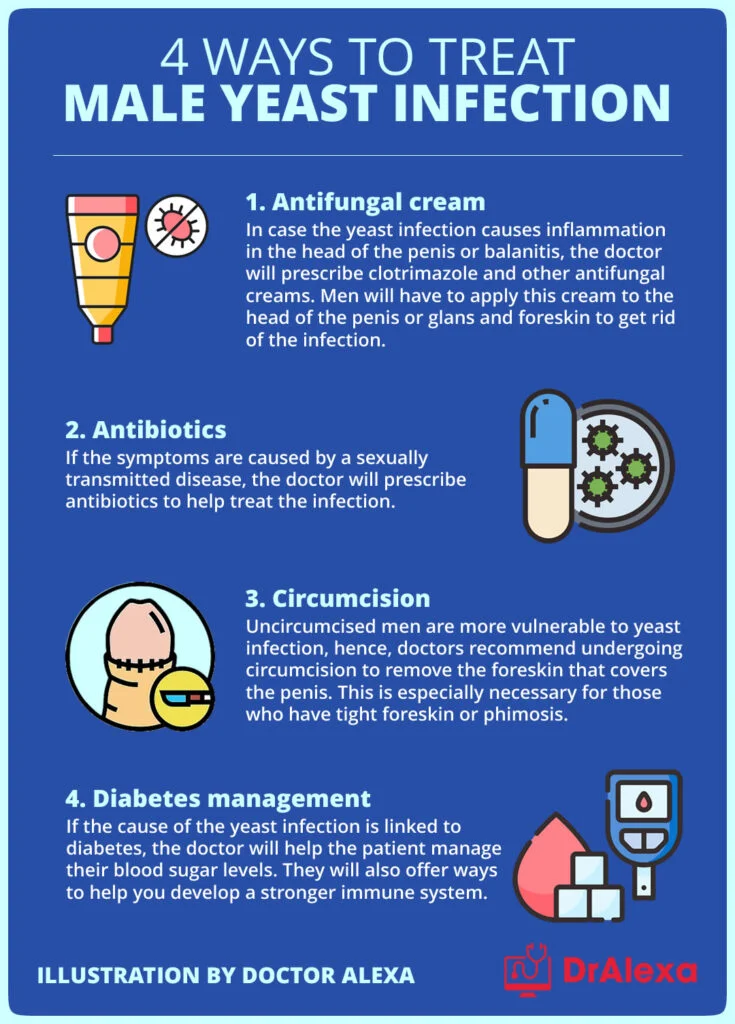
Imagine a subtle itch, an unusual redness, or a discomfort that begins as a minor annoyance but slowly escalates into a persistent worry. For many men, this is the silent, often embarrassing, introduction to a penile yeast infection, medically known as candidal balanitis. Unlike their female counterparts, who frequently discuss vaginal yeast infections, men often find themselves navigating this terrain in isolation, shrouded in stigma and misinformation. This comprehensive narrative aims to peel back those layers, offering a detailed, empathetic, and scientifically grounded exploration of what every man – and those who care for them – needs to know about male yeast infections.
We embark on a journey from understanding the microscopic culprit to unraveling the complex web of risk factors, deciphering the body’s signals, navigating the diagnostic labyrinth, and charting a course for effective treatment and lasting prevention. This isn’t just a clinical overview; it’s an invitation to understand a common, yet commonly misunderstood, condition that impacts physical comfort, sexual health, and psychological well-being.
The Unseen Invader: Understanding Candida and Its Domain
At the heart of a penile yeast infection lies a microscopic fungus, most commonly Candida albicans. While often perceived as an unwelcome intruder, Candida is, in fact, a natural inhabitant of the human body. It resides harmlessly in various niches: the mouth, the gastrointestinal tract, and on the skin, including the genital area, as part of the body’s vast and intricate microbiome. In a healthy balance, other microorganisms keep Candida in check, preventing its overgrowth.
The "story" of a yeast infection begins when this delicate equilibrium is disrupted. When conditions become favorable for Candida to proliferate unchecked, it transforms from a benign commensal into a pathogenic organism, leading to an infection. On the penis, this infection is specifically termed candidal balanitis – an inflammation of the glans penis (the head of the penis). If the foreskin is also involved, which is common in uncircumcised men, it’s called candidal balanoposthitis.
Candida thrives in warm, moist environments, and the male genital area, particularly under the foreskin, provides an ideal habitat. Its ability to switch between a yeast form (single-celled) and a hyphal form (filamentous, invasive) allows it to colonize and penetrate tissues, leading to the characteristic symptoms we will explore. While Candida albicans is responsible for the vast majority of cases, other species like Candida glabrata or Candida tropicalis can also cause infections, sometimes presenting with more resistance to standard treatments. Understanding this fundamental shift from coexistence to conflict is the first step in demystifying penile yeast infections.
The Tapestry of Risk Factors: Why the Balance Shifts
The development of a penile yeast infection is rarely a random event. Instead, it’s often a consequence of one or more predisposing factors that disturb the delicate microbial balance or compromise the local defenses of the skin. For a knowledgeable audience, delving into these risk factors offers crucial insights into prevention and management.
-
Poor Hygiene Practices: This is a double-edged sword. Insufficient hygiene, allowing sweat, smegma (a natural secretion under the foreskin), and dead skin cells to accumulate, creates a rich, moist environment for Candida. Conversely, over-zealous hygiene using harsh, perfumed soaps or excessive scrubbing can strip away the skin’s natural protective oils and beneficial bacteria, paradoxically making it more vulnerable to fungal overgrowth and irritation. The key is gentle, regular washing with mild, unperfumed cleansers and thorough drying.
-
Moisture and Warmth: Candida‘s preference for damp, warm conditions makes certain habits risky.
- Tight, Non-Breathable Underwear: Synthetic fabrics like nylon or polyester trap moisture and heat, creating a microclimate conducive to fungal growth. Cotton, a breathable natural fiber, is generally recommended.
- Prolonged Wetness: Not drying the genital area thoroughly after showering or swimming, or wearing damp swimwear for extended periods, can also contribute.
- Uncircumcised Men: The foreskin, especially if it’s tight (phimosis) or not regularly retracted and cleaned, can harbor moisture and smegma, significantly increasing the risk. While circumcision reduces the risk, it doesn’t eliminate it entirely.
-
Antibiotic Use: This is a major player in disrupting the body’s microbiome. Antibiotics, by their nature, kill bacteria – both the harmful ones causing an infection and the beneficial ones that naturally keep Candida in check. When the bacterial population is decimated, Candida faces less competition and can proliferate, leading to a "superinfection" or secondary fungal infection.
-
Diabetes Mellitus: This is arguably one of the most significant systemic risk factors.
- Elevated Glucose Levels: High blood sugar levels translate to higher glucose concentrations in bodily fluids, including sweat and urine. Candida feeds on sugar, so this provides an abundant food source.
- Impaired Immune Function: Uncontrolled diabetes often leads to a degree of immune suppression, making the body less effective at fending off opportunistic infections like candidiasis.
- Glycosuria: Glucose in the urine, common in poorly controlled diabetics, can create a sugary, inviting environment on the skin around the urethral opening.