The modern quest for health and longevity often feels like a pilgrimage to exotic lands, guided by the allure of vibrant berries, ancient roots, and rare extracts. We meticulously curate our diets, seeking out nutrient-dense "superfoods" – açai, goji, spirulina, turmeric, kale – believing them to hold the exclusive keys to vitality, disease prevention, and the elusive glow of well-being. These vibrant heroes dominate health food aisles, promising unparalleled antioxidant power.
Yet, what if a silent, unassuming hero has been residing in our kitchens all along, a staple of daily ritual, often dismissed as a mere stimulant or a guilty pleasure? What if the humble coffee bean, roasted and brewed into the world’s most consumed beverage, holds a surprising, potent secret – an antioxidant profile that not only rivals but, in many contexts, surpasses the celebrated superfoods?
This is the story of that revelation, a journey into the intricate world of antioxidants, a comparative analysis that peels back layers of marketing hype and delves into scientific discovery, ultimately challenging our preconceived notions about where true nutritional power lies. For the discerning mind, the knowledgeable consumer, and the health enthusiast, this narrative aims to illuminate the profound and often underestimated role of coffee in our pursuit of an antioxidant-rich life.
Chapter 1: The Invisible War – Understanding Oxidative Stress and the Role of Antioxidants
To appreciate the might of our contenders, we must first understand the battlefield: the human body at a cellular level. Life, in its very essence, is a constant chemical reaction, and a byproduct of these reactions, as well as external factors like pollution, UV radiation, and stress, is the generation of highly reactive molecules called free radicals. These unstable molecules, characterized by an unpaired electron, roam our cells, seeking to stabilize themselves by snatching electrons from other vital molecules like DNA, proteins, and lipids. This process is known as oxidative stress.
Imagine a tiny, aggressive vandal running rampant inside your cells, damaging everything in its path. Over time, accumulated oxidative damage contributes significantly to cellular aging, inflammation, and the development of a plethora of chronic diseases, including cardiovascular disease, neurodegenerative disorders (like Alzheimer’s and Parkinson’s), certain cancers, and metabolic syndromes.
Enter antioxidants. These benevolent molecules are the body’s natural defense mechanism, the cellular police force, designed to neutralize free radicals before they can wreak havoc. They do this by generously donating an electron to the free radical, stabilizing it without becoming unstable themselves. Our bodies naturally produce some antioxidants (endogenous antioxidants), but a significant portion must come from our diet (exogenous antioxidants).
Dietary antioxidants are a diverse group, primarily falling into two broad categories:
- Vitamins: Such as Vitamin C (ascorbic acid), Vitamin E (tocopherols), and Beta-carotene (a precursor to Vitamin A).
- Phytochemicals: Plant-derived compounds that are not essential vitamins but offer powerful health benefits. This is where the majority of "superfood" and coffee antioxidants reside. Key classes include:
- Polyphenols: The largest group, further divided into:
- Flavonoids: Anthocyanins (responsible for red, blue, purple pigments in berries), catechins (found in green tea, chocolate), quercetin, rutin.
- Phenolic Acids: Chlorogenic acid (CGA, the superstar of coffee), caffeic acid, ferulic acid.
- Carotenoids: Lutein, zeaxanthin (found in leafy greens, egg yolks).
- Organosulfur compounds: Glucosinolates (in cruciferous vegetables).
- Polyphenols: The largest group, further divided into:
Beyond direct free radical scavenging, many antioxidants exert their beneficial effects through other mechanisms, such as modulating enzyme activity, enhancing detoxification pathways, inhibiting pro-inflammatory signaling, and even influencing gene expression (epigenetic modulation). Understanding this multifaceted action is crucial, as the story of coffee’s antioxidant power extends far beyond simple electron donation.
Chapter 2: The Pantheon of Superfoods – A Glimpse at the Established Heroes
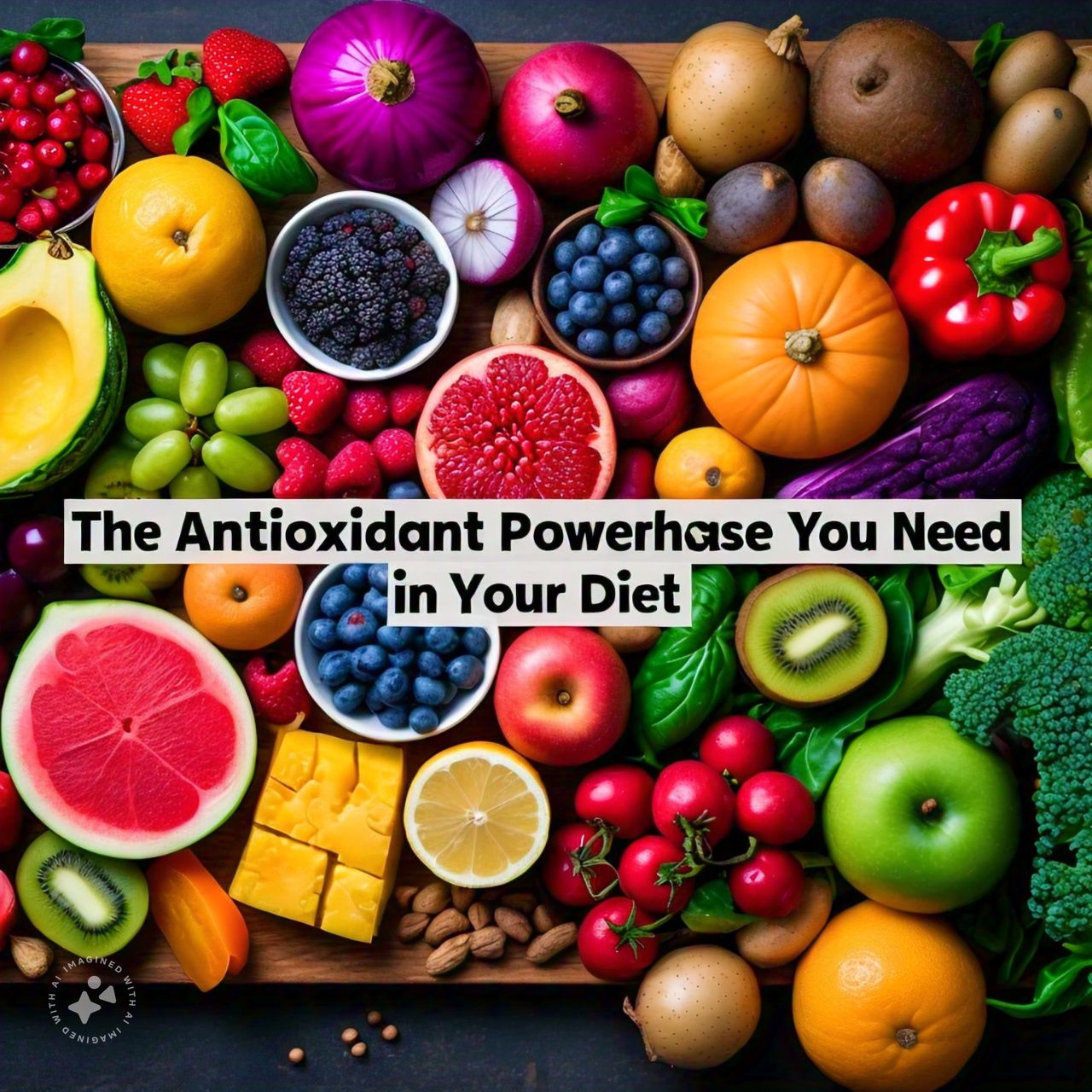
The term "superfood" itself is a marketing construct, devoid of a scientific definition, yet it powerfully shapes consumer perception. These foods are generally characterized by an exceptionally high concentration of vitamins, minerals, fiber, and, critically, antioxidants, packed into a relatively small serving. Let’s briefly review some of the most celebrated members of this pantheon and their primary antioxidant contributions:
- Açai Berries: Hailing from the Amazon, these deep purple berries are famous for their incredibly high concentration of anthocyanins, the same pigments that give blueberries and cranberries their color. Anthocyanins are potent flavonoids linked to cardiovascular health, cognitive function, and anti-inflammatory effects.
- Blueberries: Often dubbed the "king of antioxidant fruits," blueberries are rich in various anthocyanins, as well as quercetin and pterostilbene. Their benefits are extensively studied, showing positive impacts on brain health, vision, and protection against oxidative stress.
- Goji Berries: These vibrant red berries from Asia are packed with unique polysaccharides, carotenoids like zeaxanthin (beneficial for eye health), and various phenolic compounds. They are traditionally used to boost immunity and energy.
- Green Tea: A cornerstone of Asian health traditions, green tea is a powerhouse of catechins, particularly Epigallocatechin Gallate (EGCG). EGCG is a highly studied polyphenol known for its profound anti-inflammatory, anti-carcinogenic, and metabolic benefits.