There was a time, not so long ago, when a man’s physique was primarily a matter of aesthetics or brute strength. The broad shoulders of a laborer, the defined musculature of an athlete, or even the gentle paunch of prosperity – these were the visual cues by which men were often judged, or judged themselves. Little did we understand then that hidden beneath the fabric of a shirt, encircling the very core of a man’s being, lay a silent prophet, a humble measurement capable of forecasting futures far more profound than mere appearance: the waistline.
For centuries, medical wisdom focused on overt symptoms, on diseases manifest and undeniable. The subtle, insidious creep of metabolic dysfunction, the slow erosion of cardiovascular health, the silent inflammation brewing within – these were mysteries. Body mass index (BMI) emerged as an early, convenient tool, a simple ratio of weight to height, offering a broad categorization of underweight, normal, overweight, and obese. It was a good start, a necessary first step in public health. But as the story of modern medicine often goes, initial truths are merely stepping stones to deeper, more nuanced understandings. We began to learn that not all fat is created equal, and where a man stores it could be far more critical than how much he carries in total. The average waist size, once a mere tailoring parameter, was about to step into the spotlight, revealing a narrative of health and hazard that would fundamentally reshape our understanding of male physiology and disease.
The Shifting Sands of Understanding: Beyond BMI’s Broad Strokes
The narrative of waist circumference as a critical health indicator truly began to unfold in the latter half of the 20th century. While BMI offered a valuable population-level snapshot, clinicians and researchers grew increasingly aware of its limitations. A muscular athlete, for instance, might be classified as "overweight" or even "obese" by BMI standards due to their high muscle mass, despite possessing excellent metabolic health. Conversely, an individual with a seemingly "normal" BMI could harbor significant health risks if their body fat was disproportionately concentrated around their abdomen. This phenomenon, often termed "TOFI" (Thin Outside, Fat Inside) or "MONW" (Metabolically Obese Normal Weight), highlighted the inadequacy of a one-size-fits-all metric.
Epidemiological studies, particularly those following large cohorts over decades, began to paint a clearer picture. The Framingham Heart Study, a beacon of cardiovascular research, along with other seminal investigations like the Nurses’ Health Study, started to consistently demonstrate that abdominal obesity – specifically, the accumulation of visceral fat – was an independent risk factor for a host of chronic diseases, irrespective of overall weight. This wasn’t just about the number on the scale; it was about the distribution of that weight.
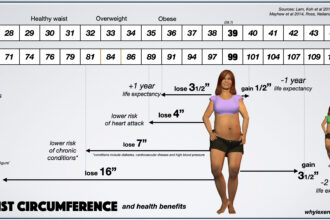
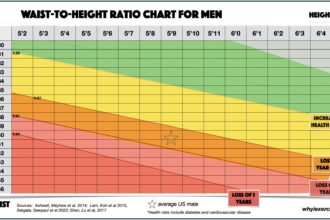
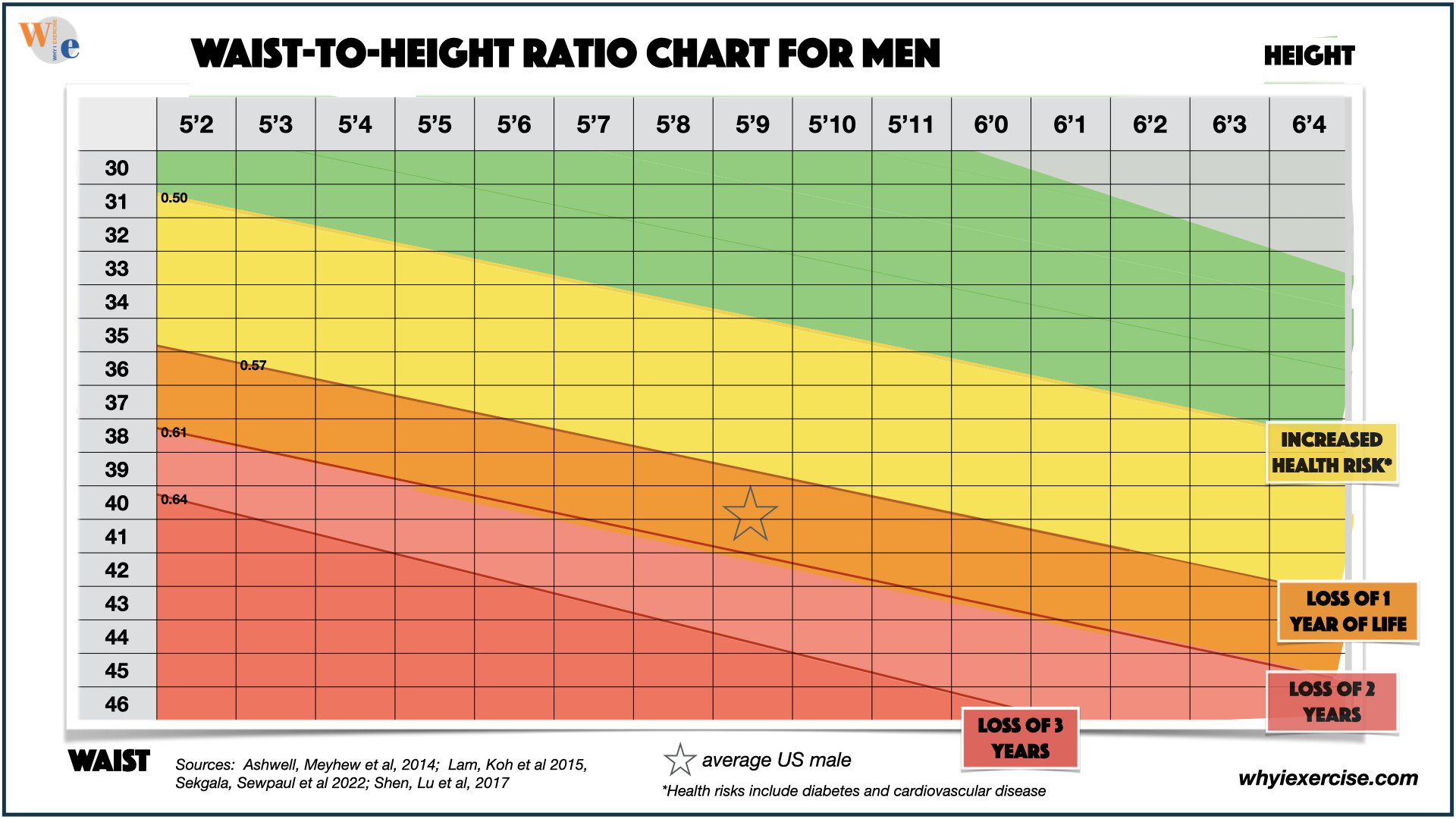
The revelation was profound. Researchers observed that men with larger waists consistently exhibited higher rates of type 2 diabetes, cardiovascular disease, hypertension, and dyslipidemia. This wasn’t merely correlation; the biological mechanisms linking central adiposity to these pathologies began to emerge from the scientific shadows. The seemingly simple act of measuring a man’s waist circumference, typically just above the hip bones or at the navel, transformed from a benign anthropometric task into a potent diagnostic and prognostic tool. The average waist size, therefore, became a sentinel, a readily observable indicator of a deeper, more perilous biological drama unfolding within. For men, a waist circumference exceeding 40 inches (approximately 102 cm) was gradually established as a critical threshold, signaling a significantly elevated risk profile.
The Inner World: The Biological Narrative of Visceral Fat
To understand why the average waist size reveals so much, we must delve into the intricate biology of fat itself, particularly the distinction between subcutaneous fat and visceral fat. Subcutaneous fat lies just beneath the skin, the pinchable layer that most people associate with body fat. While excessive subcutaneous fat can also pose health risks, its metabolic activity is generally less detrimental. Visceral fat, on the other hand, is the deep abdominal fat that surrounds vital organs such as the liver, pancreas, and intestines. This is the fat that drives the health implications associated with a large waistline.
The story of visceral fat is not one of passive storage; it is a tale of active endocrine warfare. Adipose tissue, once thought of merely as an inert energy reservoir, is now recognized as a highly dynamic and metabolically active organ. Visceral fat, in particular, is a prolific secretor of a cocktail of hormones and inflammatory mediators known as adipokines. Unlike its subcutaneous counterpart, visceral fat releases these substances directly into the portal circulation, meaning they travel straight to the liver, where they can exert immediate and profound effects.
Key players in this biological drama include:
-
Pro-inflammatory Cytokines: Visceral fat is a major source of pro-inflammatory cytokines such as Tumor Necrosis Factor-alpha (TNF-α), Interleukin-6 (IL-6), and C-reactive protein (CRP). These molecules initiate a state of chronic, low-grade systemic inflammation throughout the body. This persistent inflammation is a cornerstone of numerous chronic diseases, damaging endothelial cells lining blood vessels, contributing to atherosclerosis, and impairing insulin signaling.
-
Adiponectin and Leptin: Adiponectin, an adipokine secreted by healthy fat cells, is generally beneficial, improving insulin sensitivity and exhibiting anti-inflammatory properties. However, in individuals with abundant visceral fat, adiponectin levels tend to decrease. Leptin, another adipokine, plays a crucial role in appetite regulation and energy expenditure. While leptin levels typically rise with increased fat mass, chronic elevation due to obesity can lead to leptin resistance, where the brain no longer responds effectively to its satiety signals, perpetuating a cycle of overeating.
-
Resistin: This adipokine, also predominantly secreted by visceral fat, is implicated in promoting insulin resistance, further exacerbating metabolic dysfunction.
The consequence of this visceral fat-driven hormonal and inflammatory milieu is a cascade of metabolic derangements. The most significant is insulin resistance. As the liver and peripheral tissues become less responsive to insulin’s signals, the pancreas is forced to produce more insulin to maintain normal blood glucose levels. This state of hyperinsulinemia is initially compensatory but eventually overwhelms the pancreatic beta cells, leading to their exhaustion and the eventual onset of type 2 diabetes.
Furthermore, insulin resistance, coupled with the inflammatory state, contributes to dyslipidemia, characterized by elevated triglycerides, reduced levels of beneficial high-density lipoprotein (HDL) cholesterol, and an increase in small, dense low-density lipoprotein (LDL) particles, which are highly atherogenic. The liver, constantly bombarded by free fatty acids and inflammatory signals from the portal circulation, begins to increase its production of very low-density lipoprotein (VLDL) cholesterol, further worsening the lipid profile.
This intricate web of inflammation, insulin resistance, and dyslipidemia forms the core of metabolic syndrome, a cluster of conditions that dramatically increases the risk of cardiovascular disease, stroke, and type 2 diabetes. A large waist circumference is often the most visible and easily measurable criterion for diagnosing metabolic syndrome.
The Ripple Effect: Diseases Beyond the Belly
The story doesn’t end with metabolic syndrome. The systemic impact of a large average waist size in men extends far beyond the immediate metabolic sphere, touching nearly every organ system and influencing a man’s overall health trajectory and quality of life.
-
Cardiovascular Disease (CVD): This is perhaps the most well-established link. The chronic inflammation, dyslipidemia, hypertension (often a direct consequence of insulin resistance and vascular stiffness), and impaired glucose metabolism all coalesce to accelerate atherosclerosis – the hardening and narrowing of arteries. This significantly elevates the risk of heart attacks, strokes, and peripheral artery disease.