For decades, butter has been cast as a villain in the dietary drama, a glistening antagonist in the epic tale of health and wellness. Demonized by dietary guidelines that favored highly processed alternatives, it was relegated to the culinary shadows, replaced by margarine and low-fat spreads promising a healthier, albeit often less flavorful, future. Yet, as the sun sets on the era of fat phobia and rises on a renewed appreciation for whole, traditional foods, a golden paradox emerges from the emerald pastures: grass-fed butter.
This isn’t merely a culinary comeback story; it’s a profound narrative of nutritional rediscovery, a journey from vilification to veneration. The "surprise" of grass-fed butter isn’t just that it’s not bad for you, but that it harbors a dense, complex, and astonishingly beneficial nutritional profile, far surpassing its grain-fed counterparts and challenging nearly everything we thought we knew about this ancient dairy staple. To understand this surprise, we must first tell a story – the story of the cow, the grass, and the incredible alchemy that transforms simple forage into a nutrient-rich fat, brimming with compounds vital for human health.
Chapter 1: The Alchemist of the Pasture – From Grass to Gold
Our story begins not in the dairy aisle, but in the sun-drenched, dew-kissed fields where the magic truly happens. The fundamental difference between conventional butter and its grass-fed cousin lies in the diet of the cow. Industrial dairy cows are often confined to feedlots, consuming a diet rich in grains (corn, soy), supplements, and sometimes even by-products. This diet, while efficient for milk production volume, fundamentally alters the composition of their milk.
Grass-fed cows, on the other hand, spend their lives grazing on diverse pastures, feasting on a natural buffet of grasses, clovers, and wildflowers. They are ruminants, perfectly evolved to digest fibrous plant matter, extracting nutrients through a complex multi-chambered stomach system. This seemingly simple dietary distinction is the linchpin, the master key that unlocks a cascade of nutritional benefits in their milk fat.
Imagine the cow as a biological alchemist. It takes the vibrant chlorophyll, carotenoids, and complex micronutrients present in fresh grass and, through its intricate digestive processes, converts them into a highly bioavailable, concentrated form within its milk. This isn’t just a matter of "you are what you eat"; it’s a matter of "you are what your food ate," magnified and refined. The golden hue of grass-fed butter isn’t just aesthetic; it’s a visible testament to this alchemical transformation, a signpost indicating the presence of powerful fat-soluble vitamins and antioxidants absorbed directly from the pasture.
The surprising profile of grass-fed butter is a direct echo of the healthy, biodiverse ecosystem the cow inhabits. It’s a testament to nature’s design, demonstrating that when animals are allowed to thrive in their natural environment, they produce food that is, in turn, more nourishing for us.
Chapter 2: The Hidden Gems – A Symphony of Fat-Soluble Vitamins
The most immediate and striking difference in grass-fed butter’s nutritional profile lies in its amplified concentration of fat-soluble vitamins. These aren’t just trace elements; they are vital co-factors in countless bodily functions, and their presence in such high, bioavailable forms in butter is a profound revelation for those seeking nutrient density.
Vitamin A: The Visionary and Immune Guardian
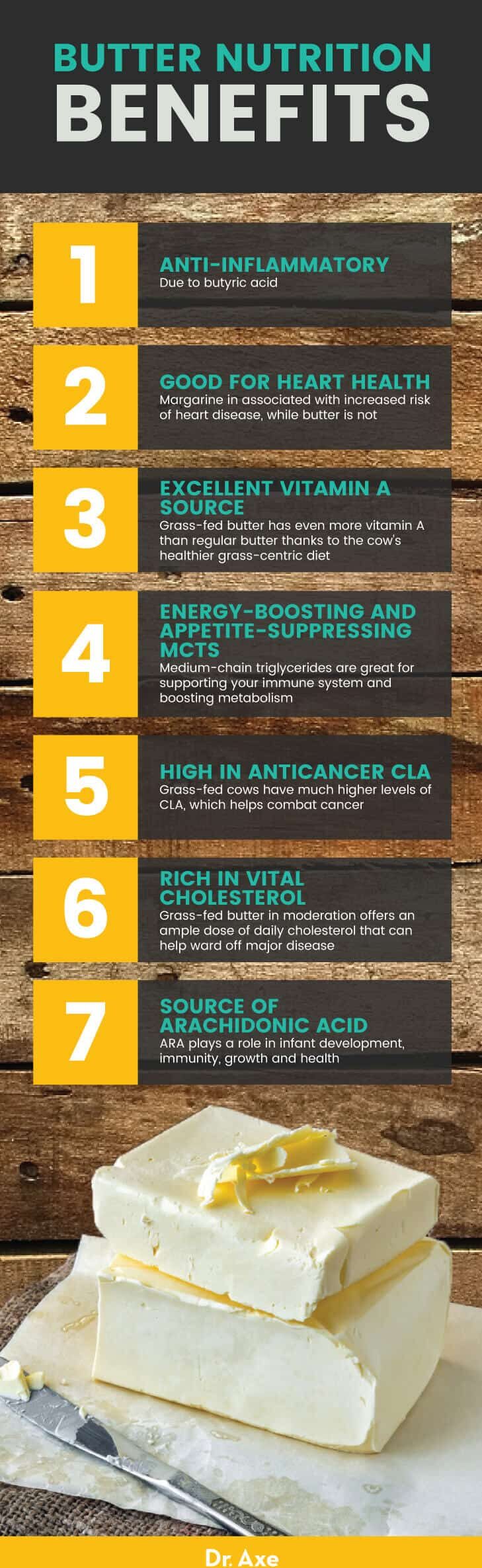
When we think of Vitamin A, carrots often come to mind. But grass-fed butter is a powerhouse of preformed Vitamin A (retinol), the active form that our bodies can utilize directly, unlike the plant-based beta-carotene which requires conversion (a process often inefficient in humans). The golden color of grass-fed butter is largely due to its high beta-carotene content, which the cow converts to Vitamin A and stores in its fat.
Vitamin A is a critical nutrient for:
- Vision: Essential for the health of the retina and adaptation to low light.
- Immune Function: Supports the integrity of mucous membranes, which act as a first line of defense against pathogens.
- Skin Health: Promotes cell turnover and maintains healthy epithelial tissues.
- Gene Expression: Plays a role in regulating the expression of hundreds of genes.
A single tablespoon of grass-fed butter can provide a significant percentage of the daily recommended intake of Vitamin A, offering a delicious and readily absorbed source of this essential nutrient, far exceeding the levels found in conventional butter.
Vitamin D: The Sunshine Vitamin in a Solid Form
While direct sunlight exposure remains the primary way for humans to synthesize Vitamin D, dietary sources are crucial, especially for those living in less sunny climes or spending much time indoors. Grass-fed butter, particularly from cows grazed in sunny months, contains measurable amounts of Vitamin D3.
Vitamin D is a hormone-like vitamin essential for:
- Bone Health: Crucial for calcium absorption and metabolism, preventing conditions like osteoporosis.
- Immune Modulation: Plays a vital role in regulating the immune system, helping to prevent both infections and autoimmune diseases.
- Mood and Cognitive Function: Emerging research links adequate Vitamin D levels to improved mood and reduced risk of cognitive decline.
- Hormone Regulation: Influences the production of several hormones, impacting various bodily systems.
While not as concentrated as fatty fish, grass-fed butter offers a consistent, natural dietary contribution to Vitamin D intake, especially when combined with other whole foods.