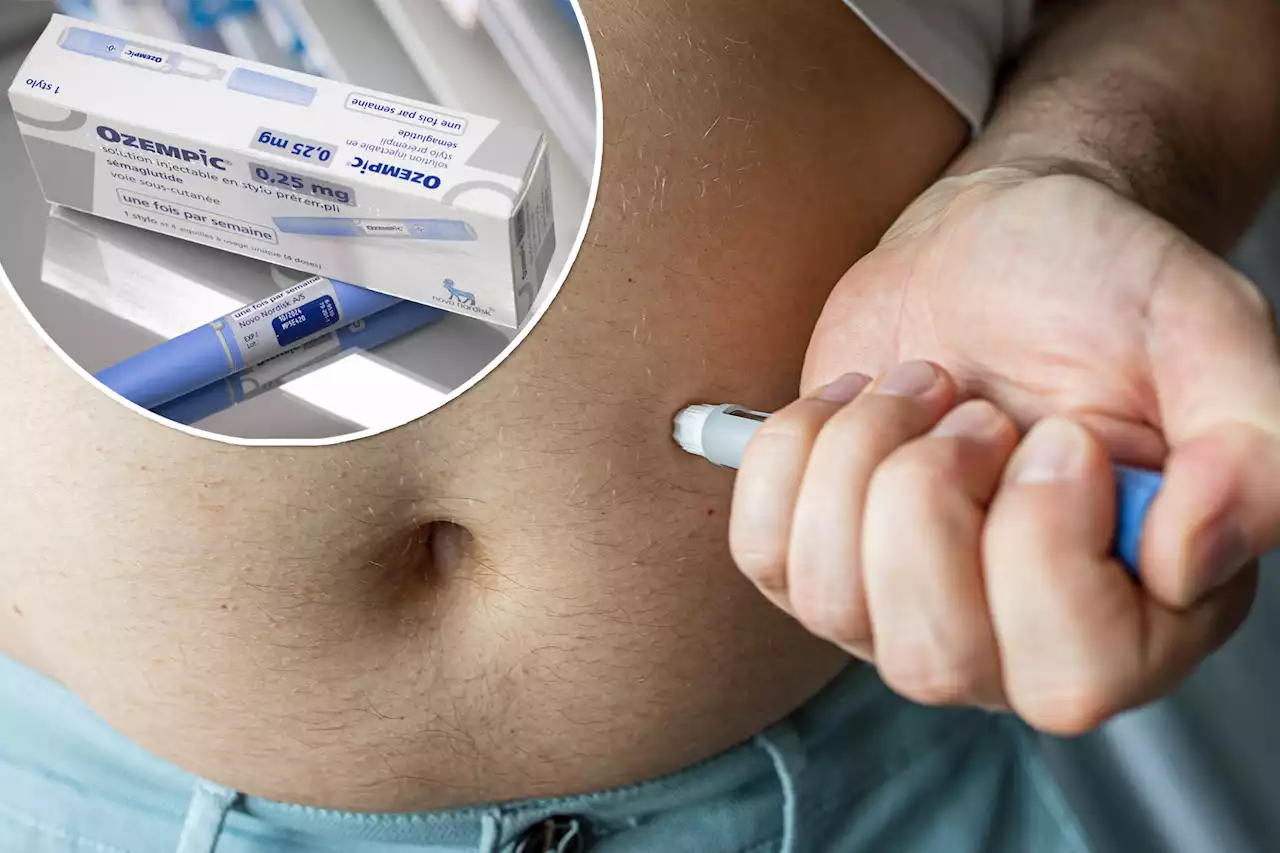
In the ever-evolving landscape of modern medicine, breakthrough drugs frequently emerge, promising transformative improvements in patient care. Among the most recent and impactful innovations are the Glucagon-Like Peptide-1 (GLP-1) receptor agonists, widely known by brand names like Ozempic (semaglutide), Wegovy (semaglutide), Mounjaro (tirzepatide), and Victoza (liraglutide). These medications have revolutionized the treatment of type 2 diabetes and, increasingly, obesity, offering unprecedented efficacy in blood glucose control and significant weight loss. Their widespread adoption has been nothing short of phenomenal, improving the lives of millions and alleviating the burden of chronic metabolic diseases.
However, as with many powerful therapeutic agents, their profound physiological effects extend beyond their primary targets, sometimes creating unforeseen challenges in other medical contexts. A critical area where this complexity has recently come to light is in the perioperative period – the time immediately before, during, and after surgery. Doctors, particularly anesthesiologists and surgeons, are now issuing urgent warnings: taking GLP-1 agonists close to the time of surgery could be genuinely dangerous, potentially leading to life-threatening complications. This article delves into the intricate mechanisms behind this risk, explores the clinical dilemmas it presents, and outlines the evolving strategies healthcare providers are implementing to safeguard patients in this new medical frontier.
The Rise of GLP-1 Agonists: A Medical Marvel
To understand the current predicament, one must first appreciate the mechanisms and impact of GLP-1 agonists. These drugs mimic the action of naturally occurring incretin hormones, primarily GLP-1, which are released by the gut in response to food intake. Their therapeutic effects are multi-faceted:
- Glucose-Dependent Insulin Secretion: They stimulate the pancreas to release insulin only when blood glucose levels are high, reducing the risk of hypoglycemia.
- Suppression of Glucagon Secretion: They inhibit the release of glucagon, a hormone that raises blood glucose.
- Slowing of Gastric Emptying: This is the critical mechanism for our current discussion. By slowing the rate at which food leaves the stomach and enters the small intestine, GLP-1 agonists contribute to improved post-meal glucose control and enhance satiety, leading to reduced caloric intake and weight loss.
- Central Appetite Suppression: They act on the brain to reduce appetite and food cravings.
The clinical benefits have been immense. For individuals with type 2 diabetes, these drugs not only improve glycemic control but also offer cardiovascular and renal protective effects. For those struggling with obesity, they represent a paradigm shift, enabling sustainable weight loss that was previously achievable only through bariatric surgery. The enthusiasm for these medications is well-founded, given their proven efficacy in addressing two of the most pervasive and costly health crises globally.
The Silent Threat: Delayed Gastric Emptying
While slowing gastric emptying is a desirable therapeutic effect for diabetes and weight management, it transforms into a significant liability in the context of surgery, particularly when general anesthesia is involved.
Normally, the human stomach empties its contents in a predictable timeframe. Liquids typically pass through within minutes to an hour, while solid foods can take several hours (e.g., 2-4 hours for a light meal, 6-8 hours for a heavy meal). This physiological process is crucial for pre-operative fasting guidelines, commonly known as NPO (nil per os, or nothing by mouth). These guidelines, which stipulate periods of fasting from food and liquids before surgery, are meticulously designed to ensure the stomach is empty.
The rationale behind NPO is simple yet profoundly important: to prevent pulmonary aspiration. During general anesthesia, protective airway reflexes (like gagging and swallowing) are temporarily suppressed. If there is food or liquid in the stomach, especially if the patient is supine (lying flat) and undergoing intubation (insertion of a breathing tube into the trachea), there is a significant risk that gastric contents could reflux into the esophagus and then be inhaled (aspirated) into the lungs.
Pulmonary aspiration is a dreaded perioperative complication. The consequences can range from mild pneumonitis (inflammation of the lungs) to severe aspiration pneumonia, acute respiratory distress syndrome (ARDS), and even death. The acidity of gastric fluid, combined with particulate matter, can cause rapid and devastating lung damage, often requiring intensive care and prolonged recovery.
GLP-1 agonists fundamentally disrupt this carefully calibrated system. By significantly prolonging gastric emptying, they render conventional NPO guidelines insufficient. A patient who has fasted for the standard 6-8 hours after taking a GLP-1 agonist might still have a stomach full of undigested food and liquids, posing an elevated and often unseen risk of aspiration. This "silent threat" is particularly insidious because the patient feels fasted and the surgical team might assume the stomach is empty based on standard protocols.
Studies and anecdotal reports have highlighted cases where patients on GLP-1 agonists, despite adhering to NPO, were found to have significant gastric contents upon induction of anesthesia. This includes undigested food particles, large volumes of liquid, and even solid remnants of meals consumed many hours prior. The variability in gastric emptying among individuals, and even between different GLP-1 agonists, further complicates the picture, making it difficult to predict which patient is at highest risk.
Anesthesia and Aspiration: The Lethal Confluence
The convergence of delayed gastric emptying and the physiological changes induced by general anesthesia creates a particularly dangerous scenario.
When a patient undergoes general anesthesia, several protective mechanisms are temporarily lost:
- Loss of Consciousness: The patient is unable to voluntarily prevent aspiration.
- Relaxation of Sphincters: The lower esophageal sphincter, which normally prevents reflux from the stomach into the esophagus, can relax under anesthesia.
- Suppression of Airway Reflexes: Cough and gag reflexes are abolished, meaning even if gastric contents enter the pharynx, the patient cannot clear them effectively.
- Positive Pressure Ventilation: During mechanical ventilation, the positive pressure applied to the lungs can sometimes force gastric contents into the esophagus if the lower esophageal sphincter is relaxed.
- Intubation Challenges: While endotracheal intubation provides a sealed airway, the process itself, particularly if difficult or prolonged, can stimulate gagging or vomiting before the airway is fully secured, increasing aspiration risk.
The challenge is further compounded by the fact that the volume and acidity of gastric contents are critical determinants of aspiration severity. A large volume of acidic fluid with particulate matter is far more damaging than a small volume of neutral liquid. GLP-1 agonists can contribute to both increased volume and the presence of particulate matter, even after prolonged fasting.