In the intricate tapestry of human existence, few threads are as vital, yet as often overlooked, as physical intimacy. It is more than just pleasure or procreation; it is a profound language spoken by bodies, an ancient dialogue that whispers reassurance, belonging, and safety. For the discerning mind, delving beneath the surface reveals that this primal connection isn’t merely a byproduct of love, but a powerful, often underestimated, architect of emotional resilience. This article aims to explore the multifaceted ways in which physical intimacy, in its broadest sense, strengthens our capacity to withstand life’s inevitable storms, fostering an inner fortitude that allows us not just to survive, but to thrive.
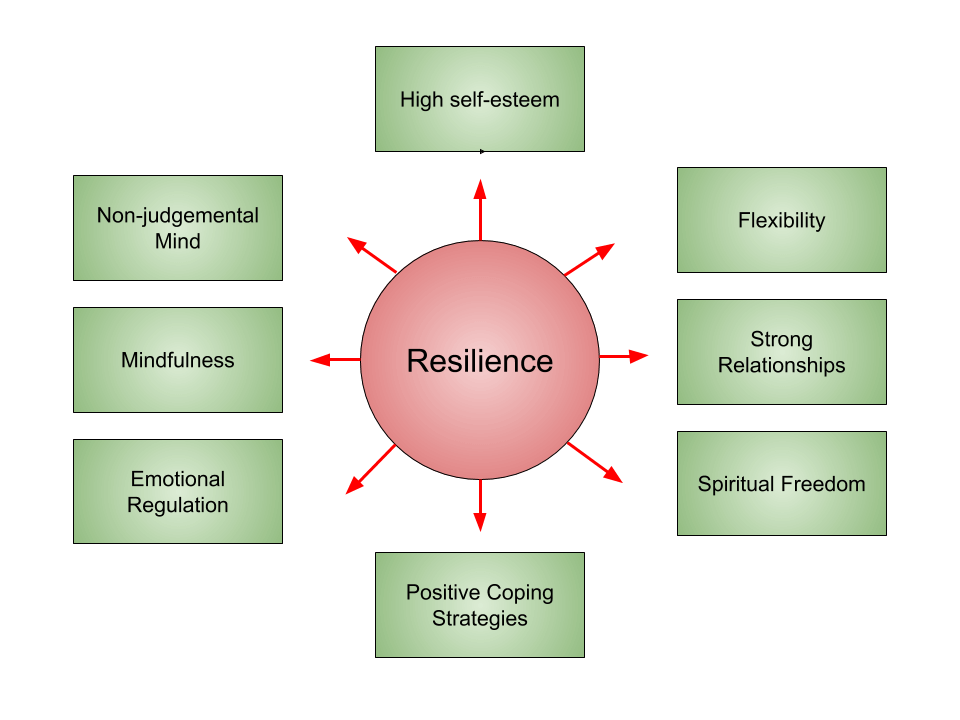
To truly appreciate this connection, we must first understand what we mean by "emotional resilience." It is not the absence of pain or sorrow, but the ability to adapt, recover, and even grow in the face of stress, adversity, and trauma. It is the elasticity of the human spirit, the inner strength that allows us to bend without breaking. And physical intimacy, in its diverse forms – from a tender touch to passionate union – emerges as a pivotal force in cultivating this strength, weaving a story of connection, neurochemical harmony, and profound psychological safety.
The Neurobiological Symphony: A Chemical Blueprint for Resilience
The most immediate and scientifically verifiable impact of physical intimacy lies in its profound influence on our neurochemistry. Our bodies are sophisticated pharmacies, and touch, especially affectionate or intimate touch, acts as a powerful trigger for a cascade of beneficial hormones and neurotransmitters. This isn’t just a fleeting sensation; it’s a recalibration of our internal stress response system, laying a biological foundation for resilience.
Oxytocin: The Architect of Connection and Calm
At the forefront of this chemical symphony is oxytocin, often dubbed the "cuddle hormone" or "love hormone." Released during physical touch, hugs, cuddling, and sexual activity, oxytocin plays a crucial role in bonding, trust, and empathy. For a knowledgeable audience, its impact on resilience is multifaceted:
- Stress Reduction: Oxytocin directly counteracts the effects of cortisol, the primary stress hormone. When we are stressed, our sympathetic nervous system goes into overdrive, preparing us for "fight or flight." Physical intimacy, particularly in a secure relationship, signals safety to the brain, activating the parasympathetic nervous system – our "rest and digest" mode. The release of oxytocin lowers heart rate, blood pressure, and cortisol levels, bringing the body back to a state of calm. Imagine Sarah, after a particularly grueling day at work, feeling the weight of deadlines and interpersonal conflict. A simple, sustained hug from her partner, a moment of shared quiet intimacy, triggers that oxytocin release. Her shoulders drop, her breathing deepens; the physiological manifestation of stress begins to dissipate, not just emotionally, but chemically. This regular physiological reset builds her capacity to handle future stressors, preventing chronic stress from eroding her well-being.
- Trust and Attachment: Oxytocin strengthens the neural pathways associated with trust. In resilient individuals and relationships, trust is paramount. It allows for vulnerability, open communication, and the belief that one is supported. Intimate touch reinforces this trust, creating a feedback loop where physical closeness fosters emotional safety, which in turn encourages more physical closeness. This foundational trust is a cornerstone of resilience, allowing individuals to lean on their partners during crises, knowing they are not alone.
- Empathy and Social Support: By enhancing empathy, oxytocin helps partners attune to each other’s emotional states, fostering a deeper understanding and desire to support. When one partner is struggling, the other’s empathetic response, often expressed through touch, becomes a powerful buffer against isolation and despair – two major threats to resilience.
Dopamine: The Reward Pathway Reinforcement
Alongside oxytocin, dopamine, the neurotransmitter associated with pleasure, reward, and motivation, plays a significant role. Intimate physical contact, especially sexual intimacy, triggers dopamine release, creating a powerful positive feedback loop. This isn’t just about fleeting pleasure; it’s about reinforcing behaviors and connections that are beneficial for our well-being.
- Motivation for Connection: The dopamine surge motivates individuals to seek out and maintain intimate connections. This drive for connection is intrinsically linked to resilience, as strong social bonds are a primary protective factor against mental health challenges. When we experience the reward of intimacy, we are more likely to prioritize and invest in the relationship, ensuring a consistent source of support and comfort.
- Positive Affect: Regular dopamine release contributes to overall positive mood and outlook. A resilient person isn’t necessarily always happy, but possesses a fundamental optimism and ability to find joy even amidst difficulties. Physical intimacy provides a consistent source of this positive affect, helping to counteract feelings of helplessness or despair.
Serotonin and Endorphins: Mood Regulation and Pain Relief
Other neurochemicals contribute to this symphony. Serotonin, crucial for mood regulation, sleep, and appetite, is also influenced by positive social interactions, including physical intimacy. Balanced serotonin levels contribute to emotional stability, a key component of resilience. Endorphins, the body’s natural painkillers, are released during physical exertion and intense pleasure, including sexual activity, providing a sense of euphoria and reducing physical and emotional discomfort. This natural analgesic effect can be particularly valuable in coping with emotional pain or trauma.
The combined effect of these neurochemicals is a powerful, biological toolkit for managing stress, fostering connection, and promoting overall well-being. Regular, affectionate physical intimacy isn’t just pleasant; it’s a physiological tuning of our nervous system, preparing us to face the world with greater strength and calm.
The Cradle of Attachment: Intimacy as a Secure Base
Beyond the immediate neurochemical shifts, physical intimacy profoundly impacts our psychological resilience by reinforcing or even repairing our attachment styles. Attachment theory posits that our early relationships with caregivers shape our expectations and behaviors in adult relationships. A secure attachment, characterized by trust, safety, and responsiveness, provides a vital "secure base" from which an individual can explore the world, knowing they have a safe haven to return to.
For many, adult intimate relationships, particularly those involving consistent physical affection, become the primary vehicle for either maintaining or developing a secure attachment style.
- Re-parenting and Healing Wounds: For individuals who experienced insecure attachment in childhood (anxious, avoidant, or disorganized), a loving, physically intimate adult relationship can be a powerful corrective experience. The consistent, reliable physical presence and affectionate touch from a partner can effectively "re-parent" those unmet needs. Think of Michael, who grew up in a home where affection was scarce and unpredictable. His nervous system learned to be hyper-vigilant or emotionally distant. In his adult relationship, his partner’s consistent willingness to hold him, to offer a comforting hand, or to engage in tender intimacy, slowly teaches his system that he is safe, loved, and worthy of connection. This process, often subconscious, builds a new internal working model of relationships, fostering a secure base that was missing earlier in life. This newfound security translates directly into greater emotional resilience – a greater capacity to trust, to self-soothe, and to seek support when needed, rather than withdrawing or becoming overwhelmed.
- Co-Regulation and Mutual Soothing: Secure attachment thrives on co-regulation, the mutual process of partners helping each other manage emotional states. Physical intimacy is a primary mechanism for co-regulation. When one partner is distressed, the other’s touch, embrace, or even just close proximity, can have an immediate calming effect. This shared regulation teaches individuals to tolerate distress, knowing that relief and support are available. The rhythmic closeness of cuddling, the shared breath during intimacy, or the simple comfort of holding hands during a difficult conversation, all contribute to this mutual soothing, strengthening both partners’ individual and relational resilience.
- A Sanctuary from the World: A physically intimate relationship creates a sanctuary, a private world where individuals can shed their defenses and be truly seen and accepted. This psychological safety net allows for greater authenticity and vulnerability, which are crucial for processing difficult emotions and building resilience. Knowing that there is a place where one can be fully oneself, flaws and all, without judgment, provides an immense sense of security that acts as a powerful buffer against external pressures and criticisms.