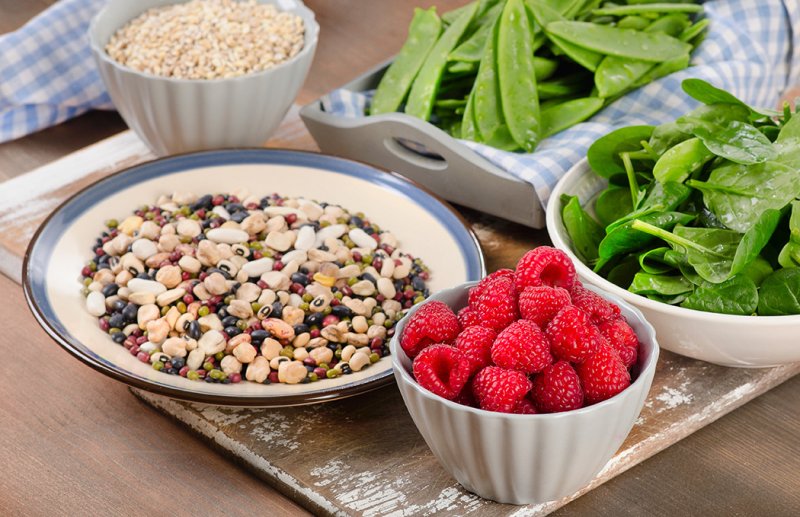
The journey to lasting weight loss often feels like a labyrinth, fraught with fleeting fads, restrictive diets, and the disheartening cycle of losing and regaining. In this complex landscape, a simple, fundamental truth frequently gets overshadowed: the profound power of dietary fiber. It’s not the glamorous headline-grabber, nor does it promise overnight miracles. Yet, ask any seasoned nutritionist about the cornerstone of sustainable weight management, and you’ll find an almost unanimous endorsement for fiber-packed foods. They don’t just "like" fiber; they swear by it as an indispensable ally, a silent orchestrator of satiety, metabolic balance, and gut health – all critical elements for shedding pounds and, more importantly, keeping them off.
This isn’t just about feeling full; it’s about fundamentally reshaping your body’s response to food, nurturing your internal ecosystem, and cultivating habits that extend far beyond the scale. In this comprehensive exploration, we embark on a journey to uncover the science, the strategies, and the top 10 fiber-packed foods that nutritionists champion, offering not just a list, but a compelling narrative of why this often-overlooked nutrient holds the key to lasting weight loss.
The Fiber Revelation: More Than Just Roughage
Before we dive into the star players, let’s understand why fiber deserves its pedestal. For decades, fiber was primarily known for its role in digestive regularity – the "roughage" that keeps things moving. While this benefit remains crucial, modern nutritional science has unveiled a far more intricate and vital role, particularly concerning weight management.
Dietary fiber is a type of carbohydrate that the human body cannot digest or absorb. Unlike fats, proteins, and other carbohydrates, it passes through the stomach, small intestine, and colon relatively intact. But this "indigestibility" is precisely where its magic lies.
1. The Symphony of Satiety: Feeling Full, Naturally
One of the most immediate and impactful benefits of fiber for weight loss is its ability to induce satiety. Fiber adds bulk to your meals without adding significant calories. When consumed, particularly soluble fiber, it absorbs water and forms a gel-like substance in the digestive tract. This gel slows down gastric emptying – the rate at which food leaves your stomach. The longer food stays in your stomach, the longer you feel full and satisfied, reducing the urge to snack unnecessarily.
Moreover, this slowed digestion leads to a more gradual release of glucose into the bloodstream, preventing sharp spikes and subsequent crashes in blood sugar that often trigger hunger pangs and cravings. Beyond the physical bulk, fiber also influences the release of gut hormones like cholecystokinin (CCK), peptide YY (PYY), and glucagon-like peptide-1 (GLP-1), all of which signal satiety to the brain, effectively turning down the volume on hunger.
2. Blood Sugar Balance: Stabilizing the Rollercoaster
The modern diet, often rich in refined carbohydrates, sends our blood sugar on a relentless rollercoaster. High-sugar, low-fiber foods lead to rapid glucose spikes, prompting the pancreas to release a surge of insulin to bring levels down. Chronic insulin spikes not only contribute to insulin resistance over time but also promote fat storage.
Fiber, particularly soluble fiber, acts as a natural buffer. By slowing sugar absorption, it mitigates these dramatic blood sugar fluctuations, leading to a more stable insulin response. This stability is crucial for weight loss, as it reduces the likelihood of cravings, prevents energy dips, and helps the body tap into fat stores for energy more efficiently.
3. The Gut Microbiome: Your Internal Weight Loss Team
Perhaps the most revolutionary understanding of fiber’s role in recent years centers on its interaction with the gut microbiome – the trillions of bacteria residing in your digestive tract. Fiber acts as a prebiotic, serving as food for beneficial gut bacteria. When these bacteria ferment fiber, they produce short-chain fatty acids (SCFAs) like acetate, propionate, and most notably, butyrate.
These SCFAs are metabolic powerhouses. Butyrate, for instance, is the primary fuel for the cells lining your colon, strengthening the gut barrier and reducing inflammation. But their influence extends far beyond the gut. SCFAs can:
- Improve Insulin Sensitivity: Helping your body use glucose more effectively and store less as fat.
- Regulate Appetite: By influencing the release of satiety hormones and potentially interacting with the gut-brain axis.
- Reduce Inflammation: Chronic low-grade inflammation is often linked to obesity and metabolic dysfunction.
- Impact Energy Metabolism: Research suggests SCFAs can influence how the body burns fat and stores energy.
A diverse and thriving gut microbiome, fueled by a rich intake of various fibers, is now recognized as a critical component of a healthy metabolism and a potent ally in the fight against excess weight.
4. Calorie Displacement and Nutrient Density:
Fiber-rich foods are generally lower in calorie density compared to their processed, low-fiber counterparts. By choosing whole, fiber-packed options, you naturally displace higher-calorie, less nutritious foods from your diet. You can eat a larger volume of food, feel more satisfied, and still consume fewer calories overall. Furthermore, these foods are typically brimming with essential vitamins, minerals, and antioxidants, providing comprehensive nourishment that supports overall health and energy levels, making the weight loss journey feel less like deprivation and more like true nourishment.
The Top 10 Fiber-Packed Foods Nutritionists Swear By: Your Culinary Compass
Now, let’s turn our attention to the specific foods that embody these powerful benefits. These aren’t just high in fiber; they are nutrient-dense powerhouses, versatile in the kitchen, and consistently recommended by nutritionists for their holistic impact on weight and well-being.
1. Legumes (Lentils, Black Beans, Chickpeas, Kidney Beans)
- Fiber Content: ~15-18g per cup, cooked.