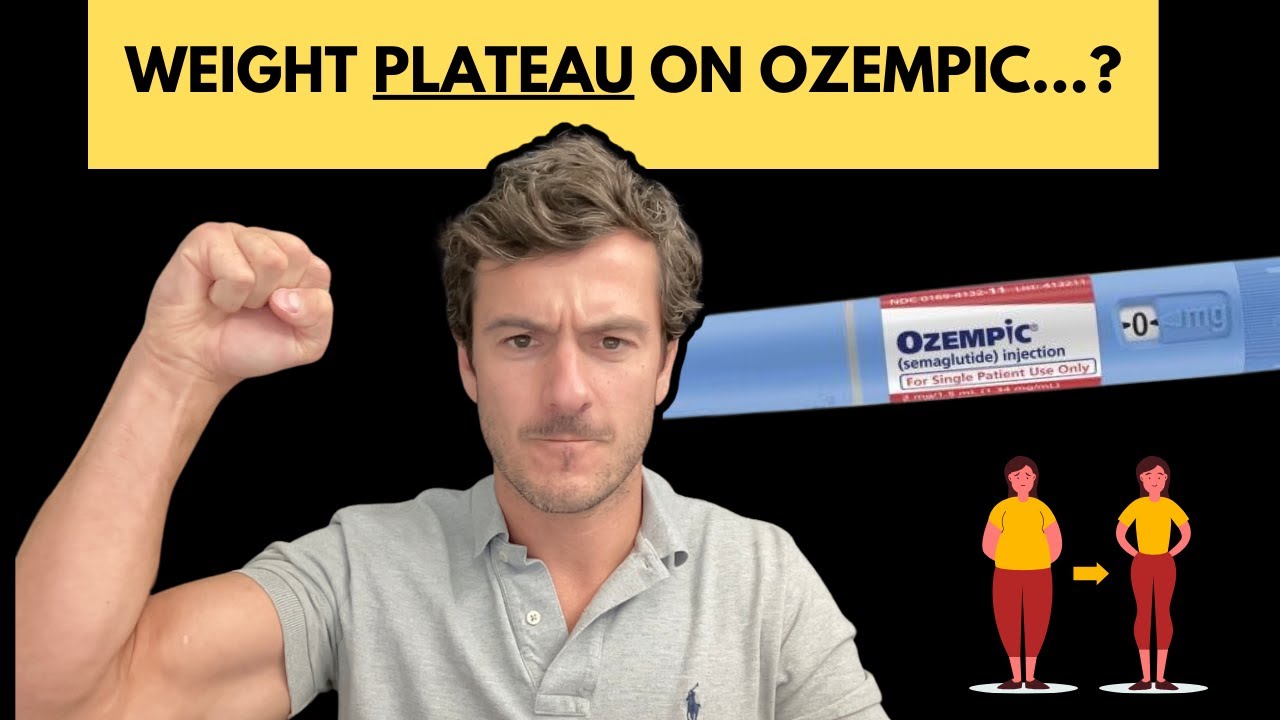
The first few weeks, perhaps even months, on Ozempic or Wegovy often feel like a revelation. The relentless "food noise" that once dominated your thoughts quiets to a whisper. The insatiable hunger that drove you to raid the pantry at midnight becomes a manageable hum. Portions shrink effortlessly, cravings diminish, and the numbers on the scale begin their satisfying, steady descent. It’s a honeymoon phase, a promise fulfilled, and for many, a deeply empowering experience that finally breaks the cycle of diet failure.
You watch as the pounds melt away, clothing sizes drop, and a sense of optimism, perhaps long-forgotten, returns. The mirror reflects a leaner, healthier you, and the medical benefits—improved blood sugar, lower blood pressure, reduced inflammation—are tangible proof that something truly transformative is happening. You might even start to believe that this time, it’s different. This time, the struggle is over.
Then, one day, it happens.
The scale, once a reliable bearer of good news, stands stubbornly still. A week passes, then two, then three. The initial alarm gives way to confusion, then frustration, and finally, a creeping sense of dread. "What am I doing wrong?" you ask yourself. "Is the medication no longer working? Am I failing again?"
This, my knowledgeable friend, is the weight loss plateau – an almost universal, inevitable, and often demoralizing chapter in any significant weight loss journey, even one powered by the groundbreaking science of GLP-1 receptor agonists like Ozempic (semaglutide) and Wegovy (semaglutide for weight management). It’s not a sign of failure, nor is it necessarily an indication that your medication has stopped working. Instead, it’s a complex interplay of biology, adaptation, and human nature. Understanding it is the first, crucial step toward overcoming it.
The Science Behind the Stillness: Why Plateaus Are Inevitable
To truly grasp the plateau, we must first briefly revisit the elegant mechanism of action of Ozempic and Wegovy. These medications mimic glucagon-like peptide-1 (GLP-1), a hormone naturally produced in the gut. By binding to GLP-1 receptors, they orchestrate a symphony of effects:
- Slowing Gastric Emptying: Food remains in your stomach longer, promoting prolonged fullness and reducing post-meal blood sugar spikes.
- Increasing Satiety: They act on the brain’s appetite centers, reducing hunger and the "food noise" that drives overeating.
- Insulin Secretion: They stimulate insulin release in a glucose-dependent manner, helping to regulate blood sugar.
- Glucagon Suppression: They inhibit glucagon release, further preventing excessive glucose production by the liver.
This powerful combination creates a significant caloric deficit, leading to initial rapid weight loss. However, the human body is a marvel of adaptive biology, designed with an evolutionary imperative to maintain homeostasis and, perhaps more importantly, to survive periods of scarcity. When you lose weight, especially significant amounts, your body perceives this as a threat to its energy reserves and initiates a series of counter-regulatory measures. This is where the plateau truly begins to take shape.
Metabolic Adaptation: The Body’s Clever Defense
The primary driver of the weight loss plateau is metabolic adaptation, often referred to as "adaptive thermogenesis." As you lose weight:
- Reduced Basal Metabolic Rate (BMR): Your body simply has less mass to maintain. A smaller body requires fewer calories to function at rest. Think of it like a smaller engine needing less fuel. This reduction in BMR can be substantial, often accounting for a decrease of several hundred calories per day compared to your starting weight, even if you’re still eating the same amount you were when weight loss began.
- Hormonal Shifts: Your body tries to fight back by altering the delicate balance of hormones that regulate appetite and metabolism.
- Leptin: Produced by fat cells, leptin signals satiety. As fat mass decreases, leptin levels drop, which can signal the brain that you’re "starving," potentially increasing hunger signals despite being on GLP-1s.
- Ghrelin: The "hunger hormone," ghrelin typically increases with weight loss, further stimulating appetite. While GLP-1s powerfully suppress ghrelin, the body’s natural compensatory increase can partially counteract this effect over time.
- Thyroid Hormones: Levels of active thyroid hormones (T3) can decrease slightly with weight loss, further slowing metabolism.
- Cortisol: Chronic stress, often an overlooked factor in weight loss journeys, can elevate cortisol, which can promote fat storage and hinder metabolic efficiency.
Physiological Tolerance and Diminishing Returns
Over time, the body can also develop a degree of physiological tolerance or adaptation to the medication itself. While Ozempic and Wegovy remain highly effective, the initial dramatic response might slightly taper as the body adjusts to the constant presence of the GLP-1 agonist. This isn’t to say the medication stops working entirely, but rather that its initial potent novelty might lessen, requiring you to be even more diligent with other aspects of your regimen.