From the dawn of civilization, humanity has been captivated by the mysterious allure of sexual desire. It is a primal force, a wellspring of connection, pleasure, and procreation, yet one that can wax and wane with the tides of life. In this eternal quest to stoke its flames, cultures across the globe have turned to a fascinating array of substances, rituals, and beliefs, collectively known as aphrodisiacs. Named after Aphrodite, the Greek goddess of love, beauty, pleasure, and procreation, these purported love-inducers promise to awaken dormant passions, enhance performance, and deepen intimacy. But as we stand at the crossroads of ancient wisdom and modern science, a profound question persists: Do aphrodisiacs truly affect sexual desire, or are they merely a testament to the boundless power of the human mind?
To answer this, we must embark on a comprehensive journey, tracing the historical echoes of desire, navigating the intricate labyrinths of psychology and physiology, and finally, confronting the often-sobering realities revealed by contemporary research. This is not merely an inquiry into chemical compounds or botanical extracts; it is a story of human longing, cultural narrative, and the enduring quest to understand the most intimate corners of our existence.
A Walk Through History and Mythology: The Tapestry of Desire
The concept of an aphrodisiac is as old as desire itself. Across continents and millennia, our ancestors meticulously cataloged plants, animals, and minerals, attributing to them the power to ignite passion. This was not a pursuit born of scientific rigor, but of observation, superstition, sympathetic magic, and a deep connection to the natural world.
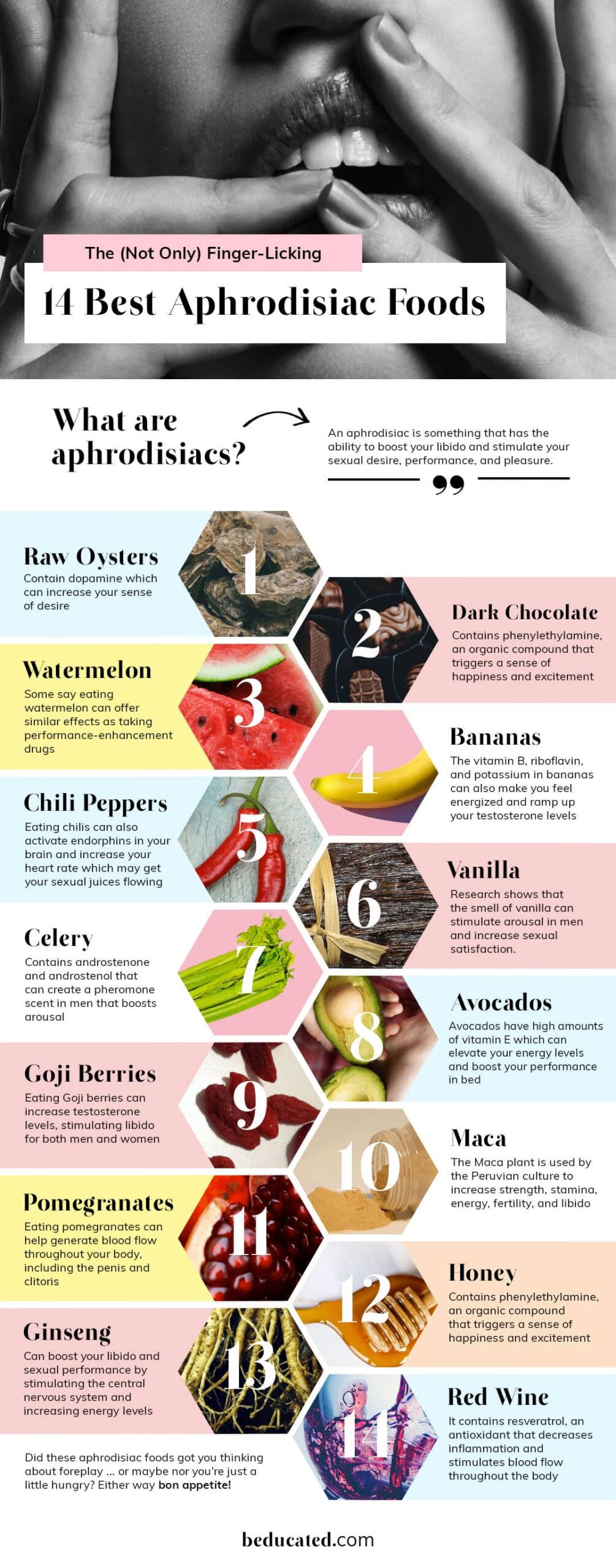
In ancient Egypt, the vibrant blue lotus flower was believed to induce euphoria and stimulate desire, often depicted in revelrous scenes alongside wine and opulent feasts. Honey, a symbol of sweetness and fertility, was another staple, consumed for its purported ability to enhance vitality. The Greeks and Romans, with their rich pantheon of gods and goddesses dedicated to love and pleasure, were particularly enthusiastic proponents. Oysters, with their succulent texture and high zinc content, were lauded by Casanova himself, who famously consumed dozens daily. Truffles, rare and earthy, were thought to possess an intoxicating aroma that mirrored the scent of sex. Wine, of course, was a universal libation, loosening inhibitions and fostering a convivial atmosphere conducive to romance.
Further east, the ancient medical systems of Ayurveda in India and Traditional Chinese Medicine (TCM) meticulously documented vast pharmacopoeias of aphrodisiacs. Saffron, revered for its vibrant color and intoxicating aroma, was used in various preparations. Ashwagandha, a potent adaptogen, was prescribed to enhance vitality and reduce stress, indirectly boosting libido. In TCM, ingredients like ginseng, deer antler, and sea cucumber were (and still are) highly prized for their purported ability to strengthen "Qi" (life force) and improve sexual function. The Aztecs, thousands of miles away, believed chocolate to be a divine elixir, consumed by emperors and warriors for energy and passion, while chili peppers were used for their warming, stimulating effects.
The medieval and Renaissance periods in Europe saw a continuation of this fascination, often tinged with alchemy and witchcraft. Mandrake root, with its human-like shape, was steeped in lore as a powerful love charm. Rhinoceros horn, believed to be an aphrodisiac due to the animal’s perceived virility (and tragically leading to its endangerment), became a highly sought-after, if utterly ineffective, commodity. These were times when the line between medicine, magic, and myth was often blurred, and belief itself was a potent ingredient in any love potion.
What emerges from this historical tapestry is a recurring theme: the qualities attributed to aphrodisiacs often stemmed from their appearance (phallic shapes like asparagus or horns), their rarity and exoticism (truffles, spices), their stimulating effects (chili), or their association with fertility (eggs, seeds). This era laid the groundwork for the enduring appeal of aphrodisiacs, embedding them deeply within cultural narratives and collective consciousness.
The Psychology of Desire: Mind Over Matter?
While history offers a rich catalog of supposed aphrodisiacs, it also subtly hints at their primary mechanism of action: the mind. The human brain is the ultimate sex organ, and its power to shape our desires, perceptions, and even physiological responses cannot be overstated. This is where the profound influence of psychology comes into play, particularly through the lens of the placebo effect.
The placebo effect is not merely "all in your head" in a dismissive sense; it is a complex neurobiological phenomenon where a person experiences a real physiological or psychological benefit from an inert substance or treatment, purely because they believe it will work. When it comes to something as subjective and emotionally charged as sexual desire, the placebo effect can be remarkably potent. If you consume a food or herb that you have been told for generations will ignite passion, your expectation alone can trigger a cascade of neurochemical changes: increased dopamine (the "reward" neurotransmitter), reduced anxiety, and a heightened sense of anticipation. These changes can genuinely lead to increased arousal and desire. The love potion, therefore, often works not because of its ingredients, but because of the belief invested in it.
Beyond the placebo, sensory stimulation and association play a crucial role. The aroma of certain foods, the luxurious taste of a rare delicacy, or the sensual texture of a shared meal can all contribute to an atmosphere of romance and intimacy. Pheromones, while scientifically debated in humans, are often evoked in discussions of attraction. While direct human pheromones with aphrodisiac effects remain unproven, specific scents—vanilla, jasmine, sandalwood—have long been associated with sensuality and can trigger pleasant memories or associations, subtly influencing mood. The ritual surrounding the consumption of an aphrodisiac—the candlelight, the romantic music, the shared experience—is often far more impactful than the substance itself. It sets a stage, creates an expectation, and signals an intention for intimacy.
Furthermore, cultural conditioning and symbolism deeply embed certain foods and substances with aphrodisiac qualities. Oysters are not just a source of zinc; they are a symbol of luxury, decadence, and indulgence. Chocolate is not merely a confection; it carries connotations of pleasure, reward, and illicit delight. These cultural narratives reinforce the belief system, making the psychological effect even stronger. The very act of seeking out and consuming an aphrodisiac can be an empowering psychological ritual, a declaration of intent to enhance one’s sexual experience, which in itself can be a powerful stimulant.
The Physiology of Arousal: A Complex Symphony
While the mind holds immense sway, sexual desire and arousal also involve a complex, finely tuned symphony of physiological processes. To understand whether aphrodisiacs genuinely work, we must first appreciate the intricate dance of neurotransmitters, hormones, and vascular responses that govern our sexuality.
Sexual desire (libido) originates in the brain, involving a delicate balance of neurochemicals. Dopamine, often called the "pleasure chemical," plays a central role in motivation, reward, and desire. Serotonin, on the other hand, can have inhibitory effects on libido, while norepinephrine contributes to arousal. Hormones are also critical players: testosterone, often thought of as a male hormone, is crucial for libido in both men and women. Estrogen, progesterone, and oxytocin (the "bonding hormone") also contribute to various aspects of sexual desire and response.
Physical arousal, particularly in men, heavily relies on the vascular system. The erection process, for instance, involves the release of nitric oxide, which relaxes smooth muscles in the penis, allowing blood to flow in and become trapped. In women, increased blood flow to the clitoris and vaginal tissues contributes to swelling and lubrication. The nervous system—sympathetic (fight or flight) and parasympathetic (rest and digest)—also dictates our ability to become aroused. Stress, anxiety, and fatigue, which activate the sympathetic nervous system, are notorious libido killers.
Given this complexity, how might a substance genuinely act as an aphrodisiac?
- Vasodilators: Some compounds might improve blood flow, similar to how pharmaceutical drugs like Viagra work. L-arginine, an amino acid, is a precursor to nitric oxide, and some plant extracts might have mild vasodilating properties.
- Neurotransmitter Modulation: Substances that increase dopamine levels or reduce serotonin’s inhibitory effects could theoretically boost desire.
- Hormonal Influence: Some ingredients might act as precursors to sex hormones or mimic their effects, although direct hormonal manipulation through natural aphrodisiacs is rare and often unproven.
- Stress Reduction/Anxiolytics: By calming the nervous system and reducing cortisol levels, adaptogens like ashwagandha or damiana could indirectly enhance libido by removing psychological barriers to desire.
- Energy Boosters: General vitality and reduced fatigue, perhaps from compounds like ginseng, can contribute to a more robust sex drive.
It’s crucial to distinguish between desire and performance. Many traditional aphrodisiacs, and indeed many modern pharmaceuticals, primarily target erectile function or physical arousal, rather than the subjective feeling of desire itself. A substance that helps achieve an erection does not necessarily make one want to have sex. This distinction is vital in evaluating the claims of various aphrodisiacs.
A Deep Dive into Popular "Aphrodisiacs": Separating Fact from Fiction
With the historical and scientific context established, let’s examine some of the most enduring and controversial aphrodisiacs, sifting through the layers of myth, folklore, and scientific inquiry.