In the relentless pursuit of weight loss, humanity has traversed countless paths – from calorie restriction and grueling exercise regimes to faddish diets and surgical interventions. Yet, despite monumental efforts, the global obesity epidemic continues its relentless march, underscoring a fundamental flaw in our conventional understanding. What if the key to unlocking sustainable weight management wasn’t solely found on our plates or in our gyms, but within the intricate, bustling ecosystem residing deep inside us – our gut microbiome?
For decades, the gut was primarily viewed as a mere digestive tube, a passive conduit for nutrient absorption and waste elimination. This reductive perspective, however, has been utterly transformed by groundbreaking scientific discoveries that reveal the gut as a vibrant, dynamic organ, teeming with trillions of microorganisms that collectively form our microbiome. This microscopic universe, far from being a benign bystander, is an active participant in virtually every aspect of our physiology, from immune function and mental health to, critically, metabolic regulation and body weight.
The story of probiotics and weight loss is not a simple tale of "good bacteria" making you thin. It is a complex narrative woven from biochemistry, immunology, neuroendocrinology, and microbial ecology. It’s a journey into the unseen, revealing how these beneficial microbes, when strategically introduced, can act as unseen architects, remodeling the very foundations of our metabolic health and offering a profound, gut-centric paradigm shift in our approach to shedding unwanted pounds. For the knowledgeable audience, this exploration delves into the intricate mechanisms, the specific microbial players, and the compelling evidence that underscores the transformative potential of targeted probiotic intervention.
The Gut Microbiome: A Metabolic Command Center
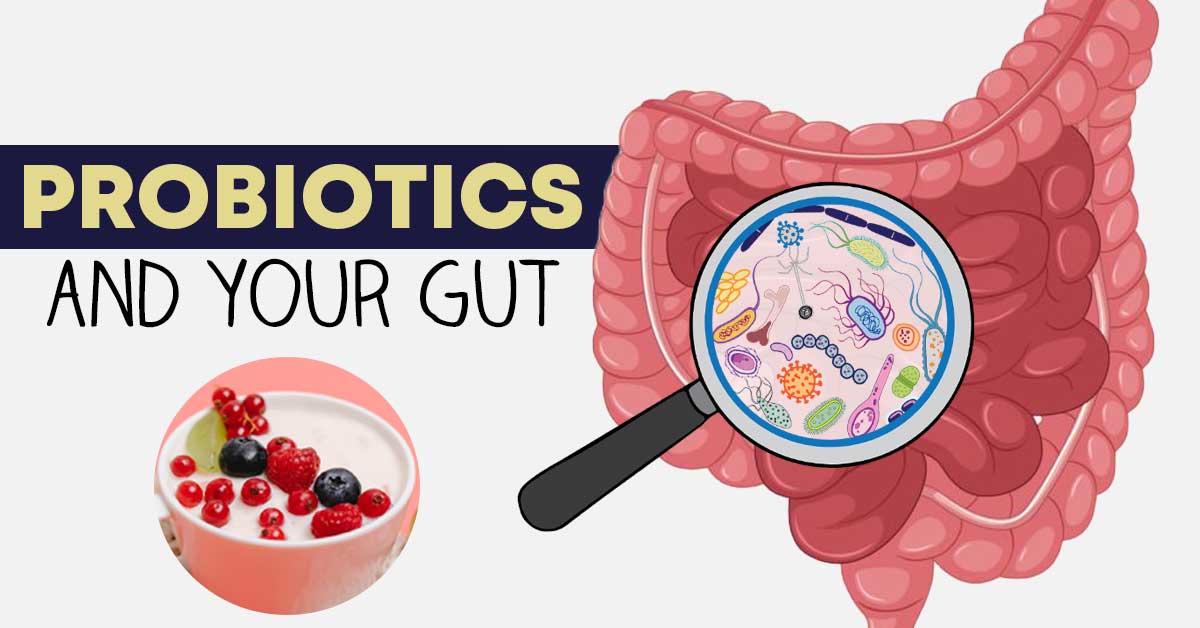
Before we delve into the specifics of probiotics, it’s imperative to truly grasp the profound influence of the gut microbiome. Imagine a bustling metropolis within your intestines, housing over 100 trillion microbial cells – ten times more than the number of human cells in your body. This diverse community, comprising bacteria, archaea, fungi, and viruses, weighs an astonishing 1-2 kilograms and possesses a collective genome 150 times larger than our own. This "second genome" orchestrates a vast array of biochemical reactions, many of which we, as humans, are incapable of performing independently.
The sheer diversity and balance of this microbial ecosystem are paramount. A healthy gut typically boasts a wide variety of species, each contributing unique enzymes and metabolites. When this delicate balance is disturbed – a state known as dysbiosis – the consequences can ripple throughout the entire body, manifesting as inflammation, impaired immune function, and, increasingly, metabolic derangements that predispose individuals to weight gain and associated conditions like insulin resistance and type 2 diabetes.
One of the most compelling pieces of evidence linking the microbiome to obesity emerged from studies demonstrating that the microbial composition of obese individuals differs significantly from that of lean individuals. Notably, a common observation is an altered ratio of two dominant bacterial phyla: Firmicutes and Bacteroidetes. Obese individuals often exhibit a higher Firmicutes-to-Bacteroidetes ratio, suggesting an increased capacity for energy harvest from dietary components that would otherwise be indigestible. These Firmicutes, for instance, are particularly adept at breaking down complex carbohydrates into easily absorbable short-chain fatty acids (SCFAs), potentially leading to an excess caloric intake from the same food portions.
Beyond energy extraction, the gut microbiome plays a pivotal role in:
- Nutrient Metabolism: Synthesizing essential vitamins (K, B vitamins), breaking down complex fibers, and modulating amino acid metabolism.
- Immune System Education: Training and regulating the host immune system, with over 70% of immune cells residing in the gut-associated lymphoid tissue (GALT).
- Gut Barrier Integrity: Maintaining the tight junctions between intestinal epithelial cells, preventing the translocation of harmful substances into the bloodstream.
- Neurotransmitter Production: Influencing mood and cognition through the production of neurotransmitters like serotonin and GABA, highlighting the crucial gut-brain axis.
- Hormone Regulation: Modulating the synthesis and sensitivity of hormones involved in appetite, satiety, and glucose homeostasis.
Understanding this foundational role of the microbiome sets the stage for appreciating how the targeted introduction of beneficial microbes – probiotics – can strategically intervene in these complex pathways to influence weight.
Probiotics: Defining the Intervention
The term "probiotic" itself, derived from Greek roots meaning "for life," signifies their beneficial nature. The official definition, as established by the FAO/WHO, states that probiotics are "live microorganisms which, when administered in adequate amounts, confer a health benefit on the host." This definition is crucial, emphasizing the "live," "adequate amounts," and "health benefit" aspects. Not all fermented foods are probiotics, and not all bacteria are beneficial.
Probiotics are typically strains of bacteria, most commonly from the Lactobacillus and Bifidobacterium genera, but also include yeasts like Saccharomyces boulardii and emerging "next-generation" probiotics like Akkermansia muciniphila. What’s paramount to understand is the concept of strain specificity. The health benefits of probiotics are highly strain-specific. Lactobacillus rhamnosus GG, for example, might offer benefits for diarrhea, while Lactobacillus gasseri BNR17 might specifically target visceral fat reduction. Generalizing benefits across an entire genus is a common pitfall.
Furthermore, it’s essential to distinguish between:
- Probiotics: Live beneficial microorganisms.
- Prebiotics: Non-digestible food ingredients that selectively stimulate the growth and/or activity of beneficial bacteria in the colon (e.g., inulin, fructooligosaccharides, galactooligosaccharides, resistant starch). They act as "food" for probiotics.
- Synbiotics: Products that combine both probiotics and prebiotics, designed to enhance the survival and activity of the beneficial microbes.
While fermented foods like yogurt, kefir, sauerkraut, and kimchi naturally contain probiotics, their strain identity and viable cell count (CFU) are often inconsistent and largely unregulated. Probiotic supplements, on the other hand, are formulated to deliver specific strains in guaranteed quantities, making them a more targeted intervention for specific health outcomes, including weight management.
The Multifaceted Mechanisms: How Probiotics Influence Weight Loss
The impact of probiotics on weight loss is not attributable to a single mechanism but rather a complex interplay of several physiological pathways, each modulated by specific microbial actions. These mechanisms converge to influence energy balance, inflammation, appetite, and fat storage.