There it is again. That familiar pang of bewilderment, perhaps even a whisper of frustration, as you step onto the scale. One day, you’re down a pound or two, feeling a surge of accomplishment. The next, seemingly out of nowhere, you’re up three, four, even five pounds, despite having eaten "perfectly" and stuck to your routine. For anyone who has ever embarked on a health journey, or simply tried to understand their body better, this mercurial dance of the numbers on the scale is an all too common, and often maddening, experience.
We live in a world that often equates a steady, downward trend on the scale with success, and any upward tick with failure. This simplistic view, however, fails to acknowledge the incredible complexity and dynamism of the human body. Your weight is not a static measure of your worth or your adherence to a diet plan; it is a constantly shifting reflection of a myriad of physiological processes, environmental factors, and even emotional states. It’s a story told not in linear progression, but in a vibrant, sometimes chaotic, symphony of inputs and outputs.
For the knowledgeable individual seeking to truly understand the intricate machinery of their own biology, it’s time to peel back the layers of misconception. This isn’t about finding excuses; it’s about gaining empowerment through understanding. When you grasp the genuine, science-backed reasons behind these seemingly random fluctuations, you can free yourself from the tyranny of the daily weigh-in and cultivate a more informed, compassionate relationship with your body.
Let’s embark on a journey to uncover the six primary architects of your weight’s daily dance, transforming frustration into profound insight.
1. The Tidal Pull of Water: Sodium, Carbs, Hormones, and Hydration
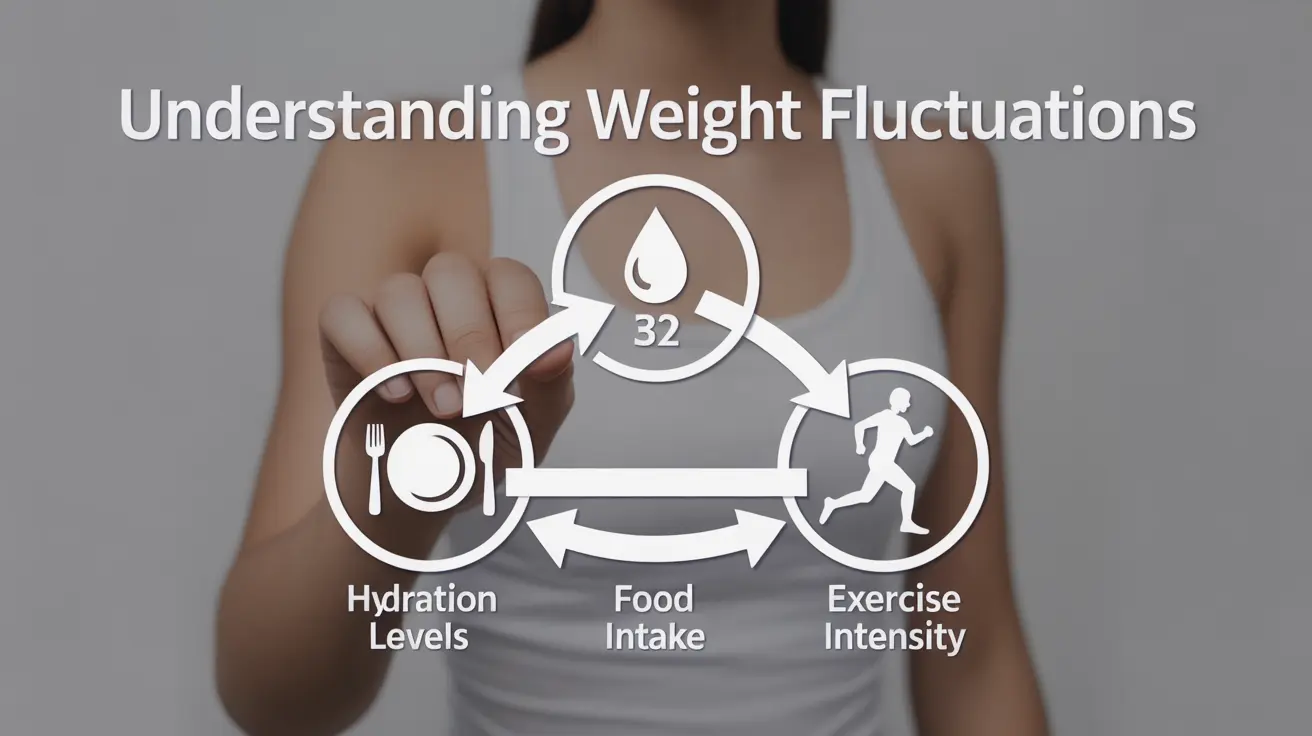
Imagine your body as a vast, intricate water park. Water isn’t just a passenger; it’s the very medium through which nearly all biochemical reactions occur. It cushions your joints, regulates your temperature, transports nutrients, and flushes waste. Given its omnipresence and vital roles, it’s no surprise that water content is perhaps the most significant and immediate influencer of daily weight fluctuations. A gallon of water, after all, weighs approximately 8.3 pounds. Even a slight shift in your body’s fluid balance can manifest as a noticeable jump or dip on the scale.
The primary drivers of water retention are often intertwined with dietary choices and hormonal signals. Take sodium, for instance. Our bodies are master regulators of osmotic balance – the equilibrium of water and solutes across cell membranes. When you consume a meal high in sodium, your body, in an effort to dilute that excess salt and maintain proper cellular function, will retain more water. This isn’t a sign of fat gain; it’s a perfectly normal physiological response. That restaurant meal, the salty snack, or even just a day where your sodium intake was a little higher than usual, can lead to a temporary increase in fluid retention, causing the scale to creep up the next morning.
Then there are carbohydrates, often unfairly demonized. While excessive, refined carbohydrate intake can contribute to other health issues, their immediate impact on weight is largely due to their relationship with water. When you consume carbohydrates, they are broken down into glucose, which is then stored in your liver and muscles as glycogen. Here’s the critical detail: each gram of glycogen binds approximately 3 to 4 grams of water. This means that if your glycogen stores are full – perhaps after a hearty carb-rich meal, or a period of recovery after intense exercise – you could easily be carrying an extra few pounds of water weight. Conversely, if you drastically cut carbohydrates, your body depletes its glycogen stores, releasing that bound water, leading to the rapid "whoosh" of initial weight loss often observed on low-carb diets. This isn’t fat loss; it’s primarily water and stored fuel.
Hormones also play a profound role in regulating fluid balance. The antidiuretic hormone (ADH), also known as vasopressin, dictates how much water your kidneys reabsorb. Aldosterone, a hormone produced by the adrenal glands, helps regulate sodium and potassium levels, thereby influencing water retention. Cortisol, the "stress hormone," can also promote sodium retention, leading to puffiness. And for women, the ebb and flow of estrogen and progesterone throughout the menstrual cycle are notorious for causing significant fluid shifts, often resulting in several pounds of weight gain in the premenstrual phase.
Ironically, even dehydration can sometimes lead to water retention. When your body senses a lack of fluid, it enters a protective mode, signaling the kidneys to hold onto every drop of water it can, often leading to a paradoxical feeling of puffiness. Staying consistently hydrated, therefore, is not only crucial for overall health but can also help your body regulate its fluid balance more effectively, preventing extreme fluctuations. Understanding these mechanisms allows you to view those daily scale movements with scientific detachment, rather than emotional distress. It’s not fat; it’s just the tide coming in or going out.
2. The Fuel Tank Effect: Glycogen Stores and Your Energy Reserves
Continuing our exploration of the body’s internal logistics, let’s zoom in on glycogen, the stored form of glucose. As mentioned, glycogen is intimately linked with water, making it a powerful, albeit temporary, determinant of your scale weight. Think of your body as a car with a fuel tank. Carbohydrates are your primary fuel source, and glycogen is the reserve in that tank, ready to be converted back into glucose for immediate energy.
Your body has a finite capacity to store glycogen, primarily in your liver (around 100g) and your muscles (around 300-600g, depending on muscle mass and training status). These stores are constantly being topped up or depleted based on your dietary intake and energy expenditure.
When you eat a carbohydrate-rich meal, especially after a period of lower carb intake or intense exercise, your body prioritizes refilling those glycogen tanks. As we know, for every gram of carbohydrate stored as glycogen, 3-4 grams of water are pulled along with it. This means that a seemingly innocent plate of pasta, a bagel, or even a few pieces of fruit can lead to an immediate, noticeable increase on the scale. If your muscle glycogen stores were depleted from a strenuous workout and you then replenished them with a post-exercise meal, you could easily see a 1-3 pound increase from glycogen and its associated water alone. This is not fat gain; it’s your body efficiently stocking its fuel reserves.
Conversely, if you drastically reduce your carbohydrate intake – a common strategy in many popular diets – your body will rapidly deplete its glycogen stores. This initial depletion is often accompanied by a significant drop in weight, sometimes several pounds within the first few days. This "whoosh" is almost entirely attributable to the release of the water previously bound to the glycogen. While this can be incredibly motivating, it’s crucial for the knowledgeable individual to understand that this rapid weight loss is primarily water and stored fuel, not actual body fat. Fat loss is a much slower process, requiring a sustained caloric deficit over time.
Athletes, particularly endurance athletes, are intimately familiar with the concept of glycogen loading, where they strategically increase carbohydrate intake before an event to maximize their glycogen stores. They understand that the accompanying weight gain is beneficial, providing readily available energy, not a detriment. Similarly, if you engage in regular, intense exercise, your glycogen stores will fluctuate significantly day-to-day. A hard leg day can deplete them, leading to a temporary weight dip, while a rest day combined with a higher carb intake can see them refilled, causing the scale to rise.
Recognizing the "fuel tank effect" of glycogen helps demystify those sudden, seemingly inexplicable weight changes. It underscores the dynamic nature of your body’s energy management system and reminds us that the scale is a poor arbiter of long-term body composition changes, especially in the short term. It simply reflects the ebb and flow of your internal fuel reserves and their inseparable partner, water.
3. The Gut Journey: Digestive System Contents and Transit Time
Beyond the cellular and hormonal intricacies, a more tangible, yet often overlooked, contributor to daily weight fluctuations lies within your digestive tract. From the moment you ingest food and liquids until waste is finally eliminated, your gastrointestinal system is a bustling highway of material, and that material has weight.
Consider the sheer volume of what you consume in a single day: several meals, snacks, and perhaps liters of water. All of this, at various stages of digestion, contributes to your overall body weight. A typical meal can weigh anywhere from 1 to 2 pounds, and if you’ve had a particularly large or fibrous day of eating, the accumulated mass within your stomach and intestines can easily add a few pounds to the scale reading the next morning.
The speed at which food moves through your digestive system – your "transit time" – also plays a significant role. If you’re experiencing constipation or a slower transit time, there will naturally be more undigested food and waste material sitting in your colon, contributing to a higher scale weight. Fiber, while incredibly beneficial for gut health and satiety, adds bulk to stool. If you suddenly increase your fiber intake, especially without a concomitant increase in water, you might experience temporary bloating and a slight weight increase as your body adjusts to processing this new volume of material. Conversely, a satisfying bowel movement can easily result in a pound or more drop on the scale.
The gut microbiome, the vast ecosystem of bacteria, fungi, and other microorganisms residing in your intestines, also subtly influences this process. While the microbes themselves don’t add significant weight, their activity in fermenting fiber and producing gases can contribute to bloating and distension, which, while not direct weight gain, can certainly make you feel heavier and impact the visual appearance of your abdomen.
Think about it logically: if you weigh yourself first thing in the morning after a good night’s sleep and before consuming anything, that’s often your lightest weight. By the end of the day, after several meals, snacks, and drinks, your weight will invariably be higher due to the sheer physical presence of that material in your digestive system. It’s akin to weighing a backpack empty versus weighing it after you’ve packed it for a day trip. The contents add weight, and that’s precisely what happens inside you.
This factor is particularly salient when comparing your weight on different days. A day of lighter eating or regular bowel movements might show a lower number, while a day of heavier meals or a slight bout of constipation could easily see the scale rise. Understanding that a portion of your body weight is literally "passing through" you is liberating. It removes the emotional charge from those daily fluctuations, allowing you to focus on consistent, healthy eating patterns rather than the immediate, temporary impact of your last meal.
4. The Orchestrators: Hormonal Fluctuations and Their Widespread Effects
The human endocrine system is a master conductor, orchestrating a vast symphony of physiological processes through the release of hormones. These chemical messengers, even in minute quantities, can exert profound and far-reaching effects on metabolism, appetite, mood, and crucially, fluid balance and weight. Understanding their influence is key to deciphering many of the body’s seemingly inexplicable fluctuations.
For women, the menstrual cycle is arguably the most prominent hormonal driver of weight fluctuations. The cyclical rise and fall of estrogen and progesterone throughout the month can lead to significant shifts. During the luteal phase (the week or two leading up to menstruation), progesterone levels rise. Progesterone has a known effect of increasing fluid retention, often leading to bloating, breast tenderness, and a noticeable weight gain of 2-5 pounds. Estrogen, too, plays a role in fluid balance, and its fluctuations can contribute to a feeling of puffiness. This premenstrual weight gain is entirely physiological, driven by the body’s preparation for a potential pregnancy, and typically resolves once menstruation begins. Tracking your cycle can help you anticipate and normalize these predictable fluctuations, preventing unnecessary distress.
Beyond the menstrual cycle, stress hormones are universal players. When you experience stress, whether acute (a deadline, an argument) or chronic (ongoing work pressure, financial worries), your body releases cortisol. Cortisol is a survival hormone, designed to mobilize energy, but sustained high levels can have several weight-impacting effects. It can increase appetite, particularly for comfort foods high in sugar and fat. It can also promote water retention by influencing the kidneys, leading to that "puffy" feeling. Furthermore, chronic stress can subtly shift fat storage patterns, favoring visceral fat accumulation around the abdomen. While the direct weight gain from cortisol-induced water retention might be a pound or two, its long-term impact on appetite and fat distribution can be more significant.
The thyroid hormones (T3 and T4), produced by the thyroid gland, are primary regulators of your metabolism – the rate at which your body burns calories for energy. When the thyroid gland is underactive (hypothyroidism), metabolism slows down, which can lead to weight gain, fatigue, and fluid retention. Conversely, an overactive thyroid (hyperthyroidism) can speed up metabolism, leading to unintentional weight loss. While these are typically conditions that require medical diagnosis and treatment, even subtle shifts in thyroid function can impact your basal metabolic rate and how efficiently your body processes energy and fluids, contributing to weight changes.