The pre-dawn light barely pierced the curtains, yet Sarah was already awake, her mind a whirlwind of conflicting advice. Another Tuesday, another gym session looming. Her running shoes sat by the door, a silent testament to her commitment, but the question that truly weighed on her was not if she would work out, but how she would fuel it. Or if she would fuel it at all.
On one side, her friend Mark, a dedicated bodybuilder, swore by his pre-workout shake – carbs for energy, protein to protect his gains. "You need to be primed, Sarah," he’d insisted, flexing a bicep. "Otherwise, you’re just running on fumes and breaking down muscle."
On the other, her sister Emily, a lean endurance runner, championed fasted cardio. "It burns more fat directly," she’d declared, sipping black coffee. "Your body has no choice but to tap into those fat stores. It’s the secret to staying shredded."
Sarah, like countless others navigating the labyrinthine world of fitness and nutrition, felt caught in the crossfire. Her goal was clear: sustainable weight loss, improved body composition, and more energy. But the path to achieving it felt shrouded in mystery, particularly when it came to the seemingly simple act of eating around her workouts. Was there a magic bullet? A definitive answer to the perennial "before or after" debate? Or was the truth, as it often is, far more nuanced and deeply personal?
This isn’t just a question of timing; it’s a deep dive into the intricate dance between metabolism, hormones, performance, and recovery. It’s a story of science, individual physiology, and the relentless pursuit of an optimal strategy for a leaner, healthier self. Let’s peel back the layers and uncover the wisdom behind the meal timing madness.
The Unshakeable Foundation: Calories and Consistency
Before we dissect the intricacies of nutrient timing, it’s crucial to anchor ourselves to the bedrock principle of weight loss: the caloric deficit. No matter how perfectly you time your meals, if you consistently consume more calories than you expend, weight loss will remain an elusive dream.
Our bodies are sophisticated machines, governed by the laws of thermodynamics. To lose weight, we must create a sustained energy deficit, forcing the body to tap into its stored reserves – primarily fat – for fuel. Exercise accelerates this process by increasing caloric expenditure and, crucially, by preserving or even building muscle mass. Muscle is metabolically active tissue, burning more calories at rest than fat, thereby enhancing your basal metabolic rate (BMR).
So, while the timing of your meals around workouts can certainly influence performance, recovery, and even the type of fuel your body preferentially uses during exercise, it remains secondary to the grand narrative of overall caloric balance and macronutrient distribution. Think of it as fine-tuning an engine that first needs to be properly assembled and fueled. With this understanding firmly in place, let’s explore the arguments for pre- and post-workout nutrition, and why the answer often lies in understanding your unique story.
The Case for Fueling Up: The Pre-Workout Advantage
Imagine Sarah stepping onto the treadmill, stomach growling, energy flagging. Her muscles feel heavy, her mind foggy. This is the scenario many envision when skipping pre-workout fuel. The argument for eating before a workout revolves primarily around performance, muscle preservation, and sustained energy.
1. Optimizing Performance and Intensity:
For any workout to be effective, especially for weight loss, intensity and duration matter. A high-quality workout burns more calories, stimulates more muscle growth, and generally yields better results. This is where pre-workout nutrition shines.
- Carbohydrates: The Immediate Energy Source: When you consume carbohydrates, they are broken down into glucose, which is either used immediately for energy or stored as glycogen in your muscles and liver. During exercise, especially moderate to high-intensity activities like HIIT, strength training, or sustained cardio, glycogen is your body’s preferred fuel. A pre-workout meal rich in complex carbohydrates (like oats, whole-grain toast, fruit) ensures your glycogen stores are topped up. This allows you to push harder, lift heavier, run longer, and ultimately, burn more calories and elicit a stronger training stimulus. Think of it as putting premium fuel in a high-performance car. Without it, you might still get to your destination, but the ride will be sluggish and inefficient.
- Fats: Sustained Energy for Longer Hauls: While carbohydrates provide quick energy, healthy fats (like those found in nuts, avocados, or olive oil) offer a slower, more sustained release of energy. For longer, lower-intensity workouts, or if your pre-workout meal is consumed a few hours beforehand, fats can contribute to feeling satiated and energized without the potential for a sudden energy crash.
2. Muscle Preservation and Anabolism:
One of the most counterproductive outcomes for someone aiming for weight loss is losing muscle mass alongside fat. Muscle loss slows your metabolism, makes you weaker, and can lead to a "skinny fat" physique. Intense exercise, especially in a calorie deficit, can inadvertently lead to muscle protein breakdown (catabolism) if the body doesn’t have sufficient fuel.
- Protein: The Muscle Shield: A modest amount of protein consumed before a workout can act as a protective barrier. When protein is available in the bloodstream (as amino acids), the body is less likely to break down its own muscle tissue for energy. This is particularly relevant during fasted states or prolonged, intense exercise. These amino acids can be used as a secondary fuel source, but more importantly, they signal to the body that building blocks are available, priming the muscles for repair and growth even before the workout begins.
3. Psychological Readiness and Comfort:
Beyond the physiological benefits, eating a well-timed pre-workout meal can offer significant psychological advantages. It can reduce feelings of hunger during exercise, prevent lightheadedness or nausea, and simply make you feel more energized and motivated to tackle your session. For someone like Sarah, prone to feeling drained without fuel, a small, digestible meal could mean the difference between a productive workout and one cut short by fatigue.
Considerations for Pre-Workout Fueling:
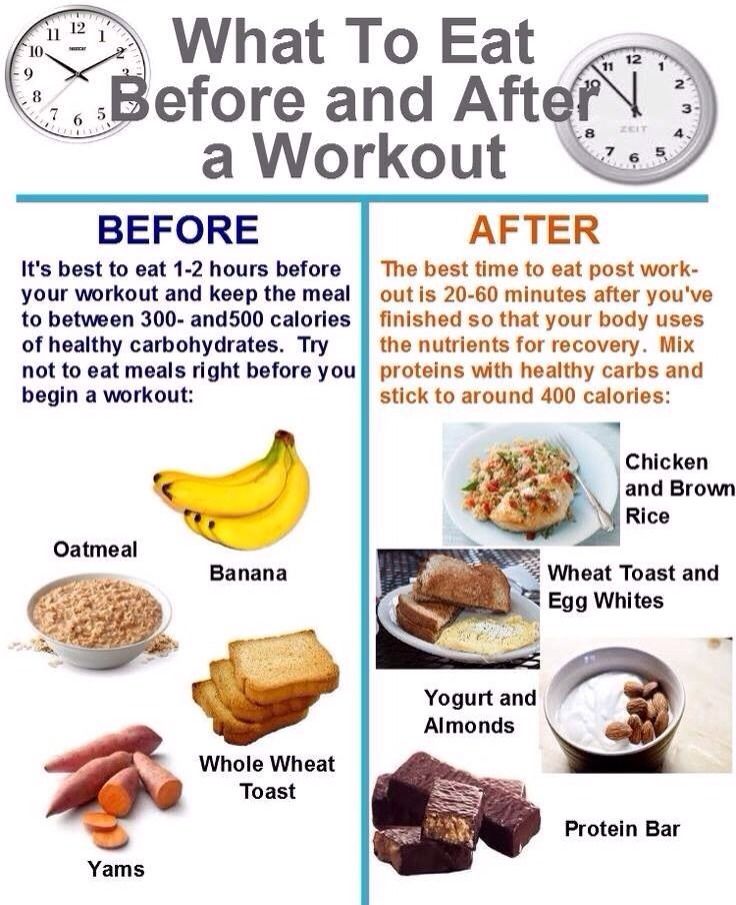
- Timing is Key: The closer to your workout, the simpler and smaller the meal should be to avoid digestive discomfort. A liquid meal (smoothie) or easily digestible carbs (banana) 30-60 minutes before is often ideal. For a more substantial meal, allow 2-3 hours for digestion.
- Macronutrient Balance: Focus on complex carbohydrates and lean protein. Keep fats relatively low close to a workout, as they slow digestion.
- Listen to Your Body: Some individuals tolerate food before exercise better than others. Experiment to find what works for you.