From the sun-drenched orchards of ancient Persia to the modern superfood aisles, the pistachio has journeyed through millennia, captivating palates and nourishing bodies. Often called the "Green Gold" for its vibrant hue and precious history, this unassuming nut holds a nutritional narrative as rich and complex as its flavor. It’s a story not just of calories and compounds, but of profound impact on human health, a testament to how something so small can wield such significant power.
This isn’t merely a list of nutrients; it’s an exploration into the very essence of the pistachio, a deep dive into the mechanisms through which it orchestrates wellness within our bodies. For the knowledgeable connoisseur of health and nutrition, prepare to uncover the comprehensive story of how this tiny emerald gem earns its "Small Nut, Big Impact."
The Genesis of Green Gold: A Story of Ancient Roots and Modern Cultivation
Our story begins in the cradle of civilization, where the pistachio (Pistacia vera) first graced the tables of royalty and common folk alike. Archaeological evidence suggests humans were consuming pistachios as early as 7,000 B.C. in the Middle East. Legend has it that the Queen of Sheba declared pistachios an exclusively royal food, forbidding commoners from cultivating them. They were a prized delicacy along the Silk Road, traded across continents, revered not only for their taste but also for their believed medicinal properties.
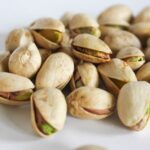
The journey of the pistachio from ancient wild groves to meticulously cultivated orchards is a tale of adaptation and agricultural mastery. While Iran, the historical heartland, remains a significant producer, the United States, particularly California, has emerged as a global leader in modern pistachio cultivation. The iconic "split" of the pistachio shell, a natural marvel, signals the nut’s ripeness and readiness for harvest – a tiny, joyful crack that promises the treasure within. This process, from tree to table, is a sophisticated dance between nature and nurture, culminating in the distinctively flavored, vibrantly green kernels we cherish today.
This rich history isn’t just trivia; it imbues the pistachio with a sense of enduring value, setting the stage for the nutritional narrative that follows.
The Nutritional Blueprint: Deconstructing the Pistachio’s Inner World
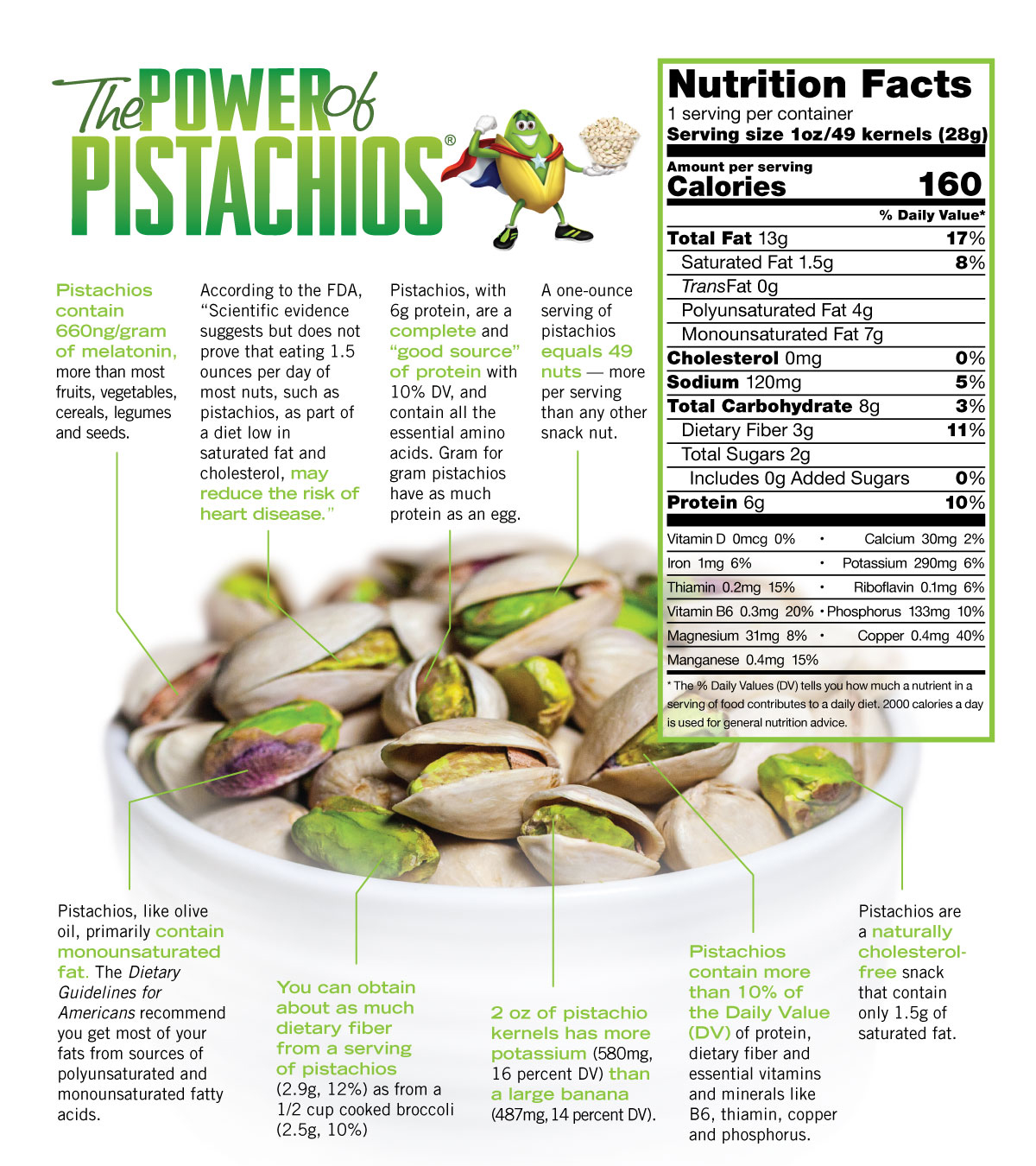
To truly understand the pistachio’s impact, we must first dissect its composition. It’s a symphony of macronutrients, micronutrients, and an extraordinary array of phytonutrients, each playing a vital role in its health-promoting orchestra. A typical one-ounce serving (approximately 49 kernels) packs a powerful punch, making it a highly nutrient-dense food.
The Macronutrient Foundation: Fueling the Body with Purpose
1. Healthy Fats: The Heart’s Allies
Pistachios are a treasure trove of beneficial fats, predominantly monounsaturated fatty acids (MUFAs) and polyunsaturated fatty acids (PUFAs). These are the "good fats" that are crucial for heart health and overall well-being.
- Monounsaturated Fats (MUFAs): Similar to those found in olive oil, MUFAs constitute a significant portion of pistachio fats. They are renowned for their ability to help lower levels of "bad" LDL cholesterol while potentially increasing "good" HDL cholesterol, thus improving the overall lipid profile. This contributes to reduced risk of cardiovascular disease.
- Polyunsaturated Fats (PUFAs): Pistachios also provide PUFAs, including linoleic acid (an omega-6 fatty acid) and a smaller amount of alpha-linolenic acid (ALA, an omega-3 fatty acid). While the omega-6 to omega-3 ratio is often a topic of discussion, the overall blend of healthy fats in pistachios supports cellular function, reduces inflammation, and aids in the absorption of fat-soluble vitamins. The story of these fats is one of cellular integrity and metabolic efficiency, ensuring every cell functions optimally.
2. Protein: The Building Blocks of Life
Often overlooked as a protein source, pistachios are a notable plant-based contributor, offering about 6 grams per ounce. What makes this particularly interesting is their amino acid profile. While most plant proteins are considered "incomplete" (lacking one or more essential amino acids in sufficient quantities), pistachios boast a remarkably diverse array of amino acids, coming very close to a "complete" protein profile. This makes them an excellent option for vegetarians, vegans, and anyone seeking to diversify their protein intake. This protein content contributes to satiety, muscle repair, and the synthesis of enzymes and hormones – fundamental processes that keep the body in prime working order.
3. Fiber: The Gut’s Best Friend
With approximately 3 grams of fiber per ounce, pistachios are an excellent source of dietary fiber. This isn’t just about regularity; fiber is a crucial player in digestive health and beyond.
- Soluble Fiber: Dissolves in water to form a gel-like substance, helping to lower blood cholesterol and glucose levels. It also feeds beneficial gut bacteria, acting as a prebiotic.
- Insoluble Fiber: Adds bulk to stool, aiding in the smooth passage of food through the digestive system and preventing constipation.
The story of fiber in pistachios is one of internal harmony, ensuring a healthy gut microbiome, stable blood sugar, and a feeling of sustained fullness.
4. Carbohydrates: Slow and Steady Energy
Pistachios contain a modest amount of carbohydrates, much of which is dietary fiber. The remaining digestible carbohydrates are released slowly, giving pistachios a low glycemic index. This means they cause a gradual rise in blood sugar, making them an excellent snack for managing blood glucose levels and preventing energy crashes.
The Micronutrient Symphony: A Wealth of Essential Elements
Beyond the macronutrients, pistachios are miniature powerhouses of vitamins and minerals, each contributing to a myriad of physiological functions.
1. Vitamins: The Catalysts of Health