The human body is a tapestry of intricate details, and nowhere is this more true than in its most intimate regions. For men, the penis, a symbol of virility, pleasure, and procreation, is also a landscape subject to its own unique topography. An unexpected bump, an unfamiliar lesion, or a change in texture on this highly sensitive organ can trigger an immediate cascade of emotions: alarm, anxiety, embarrassment, and a frantic search for answers. This visceral reaction is entirely understandable; the penis is not just an anatomical structure, but a deeply personal and often vulnerable part of one’s identity.
In this comprehensive exploration, we will embark on a journey through the myriad causes of penile bumps, moving beyond the initial panic to cultivate understanding, knowledge, and ultimately, peace of mind. Our audience is knowledgeable, seeking not just a list of conditions, but a nuanced narrative that delves into the why, the how, and the what-next, framed within the context of human experience and medical science.
The Silent Dialogue with Fear: The Psychological Impact
Before we delve into the clinical landscape, it’s crucial to acknowledge the profound psychological impact of discovering a penile bump. The initial sight often sparks a rapid-fire internal monologue: "What is it?" "Is it serious?" "Is it an STI?" "How will this affect my partner, my sex life, my future?" The internet, while a powerful tool for information, can also be a source of misinformation and heightened anxiety, often leading to self-diagnosis that ranges from the benign to the catastrophic.
This fear can lead to delays in seeking professional medical attention, a phenomenon driven by shame, embarrassment, or a misguided hope that the problem will simply resolve itself. Men might isolate themselves, withdraw from intimate relationships, or experience significant distress, all while the underlying cause of the bump remains undiagnosed and potentially untreated. Understanding this psychological backdrop is the first step in approaching the topic with the empathy and gravity it deserves.
The Normal Penile Landscape: What’s Always Been There?
The first and most reassuring revelation for many men is that not every bump or change is a cause for concern. The penis, like any other part of the body, has its own set of normal, benign anatomical variations that can be mistaken for something more sinister. Understanding these can often alleviate immediate anxiety.
1. Pearly Penile Papules (PPPs): The Crown Jewels of Benignity
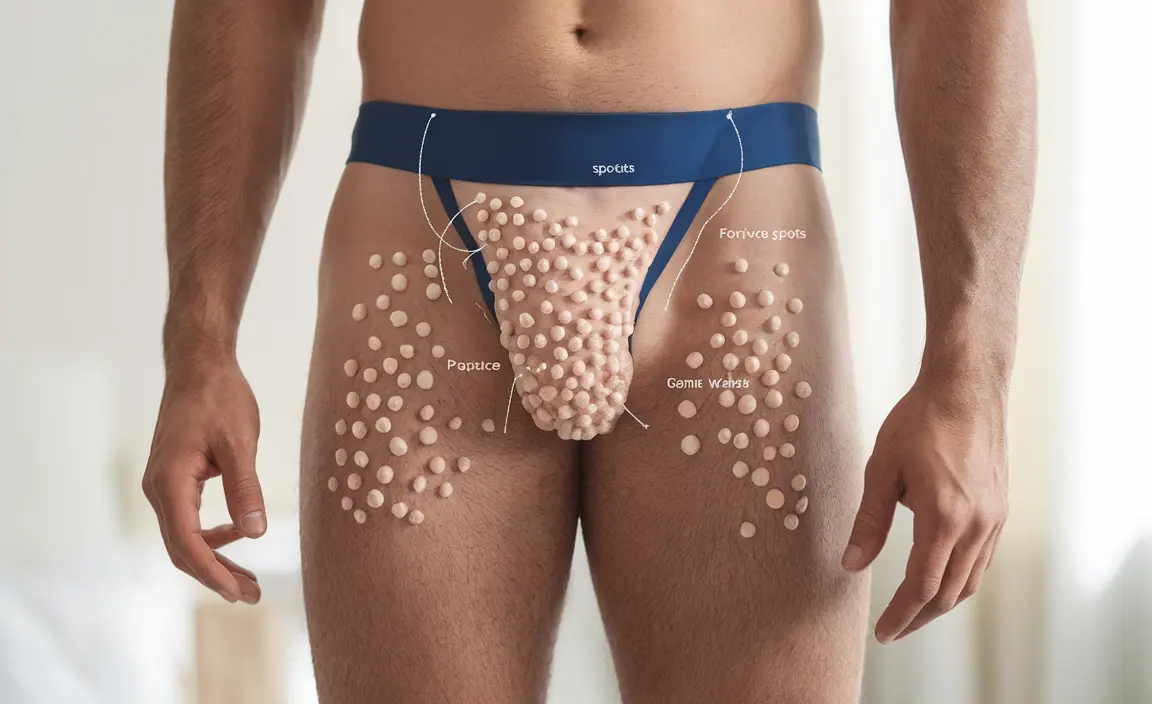
Perhaps the most common source of concern, PPPs are small, dome-shaped or thread-like papules, typically arranged in one or more rows around the corona (the rim of the glans penis). They are skin-colored, pinkish, or whitish, and range from 1-3mm in diameter. Affecting an estimated 14-48% of men, their prevalence often peaks in adolescence and early adulthood.
- Pathophysiology: PPPs are thought to be vestigial structures, remnants of evolutionary development, or angiofibromas. They are neither infectious nor sexually transmitted, and they pose no health risk.
- Clinical Significance: Purely cosmetic. Some men seek removal for aesthetic reasons, often through cryotherapy, laser ablation, or electrosurgery, though these procedures carry risks of scarring or dyspigmentation and are not medically necessary.
2. Fordyce Spots: The Subtlety of Sebaceous Glands
Fordyce spots are visible sebaceous glands that appear as small, painless, raised, white-yellowish or skin-colored spots or bumps. While common on the lips and oral mucosa, they are also frequently found on the shaft of the penis and scrotum. They can range from 1-3mm in diameter and may become more prominent with stretching of the skin or during erection.
- Pathophysiology: These are ectopic sebaceous glands, meaning they are located in areas where hair follicles are absent. They produce sebum, the skin’s natural oil, and are completely benign, non-contagious, and non-sexually transmitted. Their appearance can sometimes be more noticeable in individuals with oily skin.
- Clinical Significance: Like PPPs, Fordyce spots are a normal anatomical variant and require no treatment.
3. Sebaceous Glands and Hair Follicles:
The shaft of the penis is covered in skin that contains hair follicles (especially towards the base) and sebaceous glands. Sometimes, these normal structures can become slightly more prominent, leading to small, palpable bumps. A blocked hair follicle can even resemble a small pimple.
- Pathophysiology: Normal physiological structures. Occasionally, a sebaceous gland can become clogged, forming a small, harmless cyst.
These benign conditions underscore the importance of professional evaluation, as self-diagnosis can easily conflate a normal variant with a pathological process.
The Uninvited Guests: Infectious Causes
When a penile bump appears, infectious causes, particularly sexually transmitted infections (STIs), are often the first concern. While many STIs can manifest as bumps or lesions, it’s important to differentiate between them, as their implications and treatments vary significantly.
1. Human Papillomavirus (HPV) – Genital Warts (Condyloma Acuminata):
HPV is the most common STI globally, and certain strains cause genital warts. These warts are typically flesh-colored, soft, raised bumps that can be flat, dome-shaped, or cauliflower-like in appearance. They can be solitary or clustered, ranging in size from tiny pinpricks to large masses. They commonly appear on the shaft, glans, frenulum, or scrotum, and can also occur around the anus.