The alarm blares, a jarring intrusion into the serene landscape of sleep. You stretch, maybe even groan, and begin the slow, familiar process of rousing yourself from slumber. But then, as you push up from the pillows or swing your legs over the side of the bed, a sudden, disorienting wave washes over you. The room seems to tilt, your head spins, and a profound sense of instability threatens to pull you back down. This isn’t just morning grogginess; it’s dizziness, and for many, it’s an unwelcome, often confusing, start to the day.
While an occasional bout of lightheadedness is hardly cause for panic, persistent or severe morning dizziness warrants attention. It’s your body’s way of sending a signal, a whisper or sometimes a shout, that something within its intricate systems might be slightly off-kilter. Understanding the "why" behind this sensation is the first step toward finding relief and ensuring your well-being.
Dizziness itself is a broad term, often used interchangeably with various sensations. For clarity, it’s helpful to distinguish between two primary types:
- Lightheadedness: This is the feeling that you might faint, a sense of wooziness, unsteadiness, or feeling faint. It often improves when you sit or lie down.
- Vertigo: This is a distinct sensation of spinning or moving, either you feel like you are spinning, or the room around you is spinning. It’s often accompanied by nausea and balance problems.
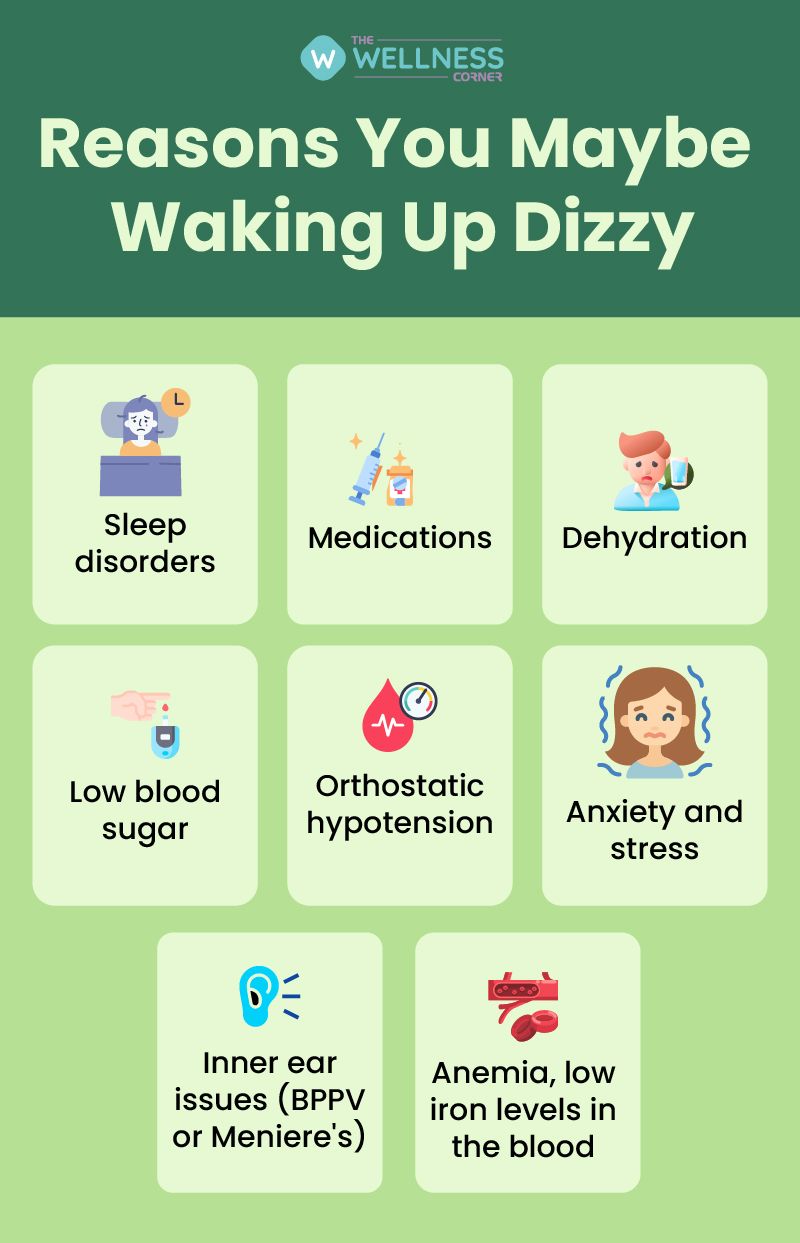
Both lightheadedness and vertigo can manifest upon waking, and their underlying causes, though sometimes overlapping, can point to different physiological mechanisms. For the knowledgeable individual seeking a deeper understanding, let’s embark on a journey through five common reasons you might find yourself feeling dizzy when you wake up, exploring the intricate dance of physiology that governs our balance and consciousness.
Reason 1: The Gravity of the Situation – Orthostatic (Postural) Hypotension
Imagine your body as a complex plumbing system. Blood, the life force, needs to be pumped efficiently against gravity to reach every organ, especially your brain. When you’re lying down, your heart doesn’t have to work as hard to distribute blood evenly. But when you transition from a horizontal position to an upright one – say, from lying in bed to standing up – gravity suddenly becomes a significant force. Your blood pools in your legs and abdomen, momentarily reducing the amount of blood returning to your heart and subsequently, the amount pumped to your brain.
What Happens Inside:
This is where your body’s remarkable autonomic nervous system (ANS) steps in, specifically a branch called the sympathetic nervous system. It’s equipped with specialized sensors called baroreceptors located in your carotid arteries (in your neck) and aortic arch (near your heart). These baroreceptors constantly monitor blood pressure. When you stand up, they detect the sudden drop in blood pressure and immediately send signals to the brain. In response, the brain commands the heart to beat faster and blood vessels to constrict (tighten). This swift, coordinated action aims to restore blood pressure and ensure adequate blood flow to the brain, preventing dizziness or fainting.
The Breakdown in Orthostatic Hypotension:
In individuals experiencing orthostatic hypotension (OH), this compensatory mechanism is either delayed or insufficient. The baroreceptors might not respond quickly enough, or the blood vessels might not constrict effectively, or the heart might not accelerate sufficiently. The result is a temporary but significant drop in blood pressure – typically a decrease of at least 20 mmHg in systolic pressure or 10 mmHg in diastolic pressure within three minutes of standing. This transient reduction in cerebral blood flow is what causes the characteristic lightheadedness, dizziness, blurred vision, weakness, and sometimes even syncope (fainting).
Why it’s Worse in the Morning:
Several factors make OH particularly prevalent upon waking:
- Prolonged Recumbency: After hours of lying flat, blood vessels may be more relaxed, and the baroreceptor reflex can be somewhat "sluggish."
- Dehydration (see Reason 2): Even mild dehydration can reduce blood volume, making the body less able to compensate for the postural shift.
- Medications (see Reason 5): Many medications taken in the evening can have their peak effect in the morning, exacerbating OH.
Contributing Factors & Risk Factors:
- Age: The baroreceptor reflex tends to become less efficient with age.
- Dehydration: A common underlying factor.
- Medications: Diuretics, alpha-blockers, beta-blockers, antidepressants, and some Parkinson’s disease medications are common culprits.
- Underlying Medical Conditions: Diabetes (neuropathy can affect ANS), Parkinson’s disease, heart conditions (heart failure, arrhythmias), adrenal insufficiency, and prolonged bed rest can all impair the body’s ability to regulate blood pressure.
- Alcohol Consumption: Can cause vasodilation and dehydration.