The bed. For many, it’s the ultimate sanctuary, a soft haven at the end of a long day, a silent witness to dreams, solace, and the quiet moments of life. We invest in comfortable mattresses, plush pillows, and sheets that promise softness and luxury. Yet, beneath the surface of this domestic idyll lies a bustling, invisible world, a microscopic metropolis that subtly dictates the true frequency with which we really need to wash our sheets.
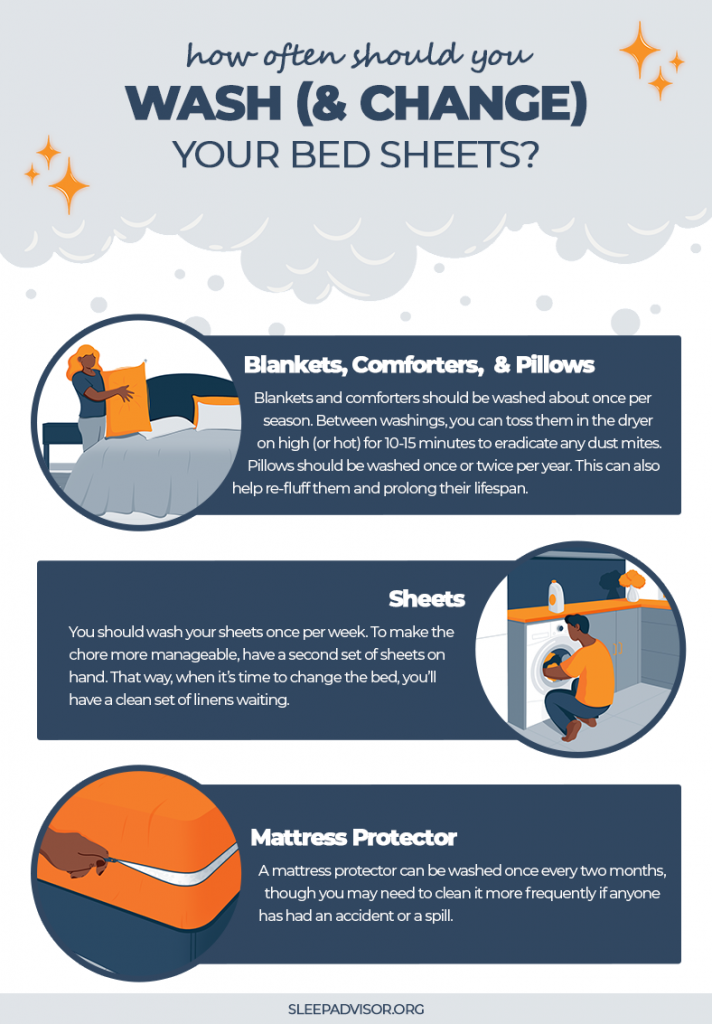
The question of how often to wash bedding is one that sparks quiet debates in households globally. Is it weekly, bi-weekly, monthly, or even longer? The answers often range from fastidious daily changes to a more relaxed, "when they look or smell dirty" approach. But the truth, as with most things rooted in personal hygiene and environmental interaction, is far more nuanced than a simple number. It’s a complex interplay of biology, environment, personal habits, and even psychology, culminating in a personalized cycle that, when understood, can significantly impact our health, comfort, and the longevity of our beloved bedding.
This isn’t merely a discussion about cleanliness; it’s an exploration of the unseen forces at play, the delicate balance between our bodies and our immediate environment. It’s a story of skin cells shed, sweat secreted, dust mites thriving, and the cumulative impact these elements have on our well-being and the very fabric of our sleep sanctuary. To truly understand the optimal washing frequency, we must first embark on a journey into the microscopic ecosystem that is our bed.
The Microscopic Metropolis: What Lurks Beneath the Duvet?
Imagine your bed as a pristine, uninhabited landscape. Now, imagine a bustling city slowly building upon it, brick by microscopic brick. Every night, as we drift into sleep, we contribute to this burgeoning metropolis, often without a second thought. This isn’t a horror story, but a biological reality that underpins the necessity of regular sheet washing.
1. The Epidermal Expanse: A Cascade of Skin Cells
The human body is an incredible, constantly regenerating organism. We shed an astonishing number of skin cells every day – an estimated 30,000 to 40,000 per minute, amounting to roughly a pound and a half a year. A significant portion of these epidermal flakes are deposited directly onto our sheets and mattress, particularly during the 7-9 hours we spend slumbering. These aren’t just inert particles; they are the primary food source for one of the most prolific inhabitants of our beds: the dust mite.
2. The Sweat Secretion: A Humid Microclimate
Even in a cool room, the average adult can perspire up to half a liter of sweat each night. In warmer climates or for individuals prone to night sweats, this volume can increase dramatically. This isn’t just water; sweat contains salts, oils, proteins, and metabolic byproducts. This continuous release of moisture creates a warm, humid microclimate within our bedding – an ideal breeding ground for bacteria, fungi, and, yes, those ever-present dust mites. The accumulation of sweat not only leads to unpleasant odors but also can yellow sheets over time and degrade fabric fibers.
3. The Oil Slick: Sebum and Skin Secretions
Our skin produces sebum, a natural oily substance designed to moisturize and protect. Hair also releases oils. These natural secretions, along with any lotions, creams, or cosmetics we apply before bed, transfer directly to our pillowcases and sheets. These oils can clog pores, potentially contributing to skin breakouts, and also provide additional nourishment for bacteria and fungi. Over time, these oils can leave greasy stains and contribute to a generally "grimy" feel.
4. The Dust Mite Dynasty: Unseen Allergens
This is perhaps the most compelling reason for regular washing. Dust mites (Dermatophagoides pteronyssinus and Dermatophagoides farinae) are microscopic arachnids, invisible to the naked eye, that thrive in warm, humid environments and feed on shed human skin cells. They don’t bite, but their fecal matter and decaying body parts contain potent enzymes (proteases) that are major allergens for millions of people worldwide. A single mattress can harbor hundreds of thousands, if not millions, of these creatures. Their waste products accumulate rapidly in sheets, pillows, and mattresses, triggering allergic reactions such as sneezing, runny nose, itchy eyes, skin rashes, and exacerbating asthma symptoms. The peak of dust mite allergen accumulation typically occurs between one and two weeks after a wash.
5. The Microbial Menagerie: Bacteria, Fungi, and Beyond
Our bodies are home to trillions of microorganisms, many of which are beneficial. However, our beds also collect a diverse array of bacteria and fungi from various sources.
- Skin Flora: Bacteria like Staphylococcus aureus, naturally found on our skin, can proliferate in warm, moist bedding. While often harmless, certain strains can cause skin infections or exacerbate conditions like eczema.
- Environmental Contaminants: Dust, pollen, pet dander (if applicable), mold spores, and even residual chemicals from detergents or fabric softeners settle on sheets.
- External Introductions: If you eat in bed, let pets sleep with you, go to bed without showering, or are sick, you introduce a whole new spectrum of microorganisms and debris. Fungi, like Aspergillus fumigatus, which can cause respiratory issues, can also find a home in damp bedding.
In essence, our bed transforms from a personal sanctuary into a thriving ecosystem, a silent accumulator of biological debris and microscopic life. Understanding this unseen cycle is the first step toward making informed decisions about sheet washing frequency.
The Ripple Effect: Consequences of Neglect
Ignoring the microscopic metropolis in our beds isn’t just about an "ick" factor; it has tangible consequences for our health, comfort, and even the lifespan of our bedding.
1. Allergic Reactions and Respiratory Distress: This is the most common and immediate impact. Dust mite allergens, pet dander, pollen, and mold spores accumulating in sheets can trigger or worsen allergies and asthma. Symptoms can range from mild sneezing, congestion, and itchy eyes to severe asthma attacks and chronic respiratory problems, significantly impacting sleep quality and overall daily functioning.
2. Skin Irritations and Breakouts: The combination of dead skin cells, sweat, oils, and bacteria creates an unfavorable environment for healthy skin. For those prone to acne, dirty sheets can exacerbate breakouts by clogging pores and promoting bacterial growth. Individuals with sensitive skin, eczema, or other dermatological conditions may experience increased irritation, rashes, and discomfort from constant contact with unclean fabrics.
3. Unpleasant Odors: The breakdown of sweat, oils, and skin cells by bacteria produces volatile organic compounds (VOCs) that lead to a stale, sometimes musty or sour smell. This odor can permeate the entire bedroom, making it feel less fresh and inviting, and can even contribute to poor sleep quality if the smell is disruptive.
4. Compromised Sleep Quality: It’s difficult to achieve truly restorative sleep when your environment is uncomfortable. Itchy skin, a runny nose, sneezing, or even the subtle discomfort of sleeping on "grimy" sheets can lead to fragmented sleep, frequent awakenings, and a general feeling of being unrested. The psychological impact of knowing your bed is unclean can also subtly detract from a sense of peace and relaxation essential for deep sleep.
5. Accelerated Fabric Degradation: The constant accumulation of oils, sweat, and microscopic debris can weaken fabric fibers over time. Stains become set, colors dull, and the material can feel rougher or thinner. Regular washing, paradoxically, helps preserve the sheets by removing these destructive elements, though excessive washing or harsh detergents can also contribute to wear and tear.
6. Potential for Infection: While less common for healthy individuals, a bed laden with bacteria and fungi can, in certain circumstances, pose a risk for opportunistic infections, especially for those with compromised immune systems, open wounds, or specific skin conditions.