The human experience, in its vast tapestry of emotions and sensations, often finds one of its most profound expressions in intimacy. Far more than a mere physical act, it is a symphony of connection, vulnerability, and pleasure that resonates through our very being. While its emotional and psychological benefits are widely acknowledged – fostering connection, reducing loneliness, and enhancing overall happiness – we often overlook the profound and surprising impact regular intimacy has on our physical health. It’s a silent, yet powerful, wellness tool, working behind the scenes to fortify our bodies in ways many might find astonishing.
In a world increasingly focused on diet, exercise, and sleep as the pillars of health, it’s time to pull back the covers on another crucial, albeit often whispered, component of a vibrant life. This isn’t just about the thrill of the moment; it’s about the sustained, cumulative effects that ripple through our cardiovascular system, our immune response, our pain perception, and even the very glow of our skin.
Prepare to journey beyond the conventional understanding of the bedroom, as we uncover seven surprising physical health benefits that underscore the vital role regular intimacy plays in cultivating a healthier, more robust, and more vital existence. From a fortified heart to a sharper mind, from a boosted immune system to a deeper sleep, the science is clear: a healthy intimate life is a cornerstone of holistic well-being.
1. The Heart’s Embrace: Cardiovascular Fortification
When we speak of matters of the heart, we often refer to love, emotion, and connection. Yet, regular intimacy literally and profoundly impacts the physical health of our most vital organ. Far from merely a pleasurable activity, the act of intimacy is a cardiovascular workout, a stress reducer, and a hormonal modulator all rolled into one, offering a surprising array of benefits for heart health.
The Physiology of a Healthy Heartbeat:
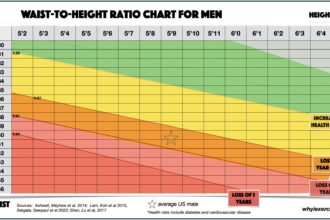
During intimacy, our heart rate naturally increases, our breathing deepens, and our blood pressure momentarily rises – much like a moderate exercise session. While this immediate effect is akin to a brisk walk or climbing a couple of flights of stairs, it’s the cumulative impact of regular engagement that truly matters. Studies have shown that men who engage in sexual activity two or more times a week have a significantly lower risk of fatal heart attacks and strokes compared to those who do so less frequently. Similar, though often less directly quantified, benefits are observed in women.
But the benefits extend beyond just the ‘workout’ aspect. Regular intimacy is a powerful antidote to chronic stress, a notorious culprit in cardiovascular disease. When we are stressed, our bodies release cortisol, a hormone that, in prolonged elevation, can damage blood vessels, increase blood pressure, and contribute to arterial plaque buildup. Intimacy, particularly culminating in orgasm, triggers a cascade of neurochemicals that actively counteract this stress response. Oxytocin, often dubbed the "love hormone," floods the system, promoting feelings of calm and connection. This, in turn, helps to lower circulating cortisol levels, reducing systemic inflammation and relaxing blood vessels.
Furthermore, research suggests that regular intimacy may contribute to healthier blood pressure levels over the long term. The release of nitric oxide during arousal helps dilate blood vessels, improving blood flow and reducing the strain on the heart. Some studies even indicate a potential link between regular intimacy and improved cholesterol profiles, though this area requires further investigation. The improved circulation also ensures better oxygenation and nutrient delivery to all organs, including the heart itself.
Beyond the Immediate:
Consider the broader context: individuals in healthy, intimate relationships often report lower levels of loneliness and higher levels of social support, both of which are independently linked to better cardiovascular outcomes. The emotional fulfillment derived from intimacy translates into a more positive outlook, less anxiety, and a greater sense of well-being – all factors that indirectly contribute to a healthier heart by reducing psychological stress on the body.
The cardiovascular benefits of regular intimacy are not just about avoiding disease; they are about fostering a resilient, efficient circulatory system capable of supporting a vibrant life. It’s a powerful reminder that our emotional and physical worlds are inextricably linked, and a healthy intimate life is indeed a cornerstone of a healthy heart.
2. The Immune System’s Ally: Building a Robust Defense
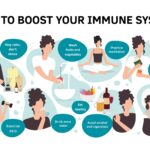
In our ongoing quest for robust health, we often focus on vitamins, supplements, and hygiene to bolster our immune system. Yet, one of the most pleasurable and natural ways to fortify our body’s defenses might just be through regular intimacy. Emerging research paints a compelling picture of how a healthy sex life can significantly contribute to a more resilient immune response, helping us ward off common colds, flu, and other infections.
The Immunological Link:
The primary mechanism through which intimacy boosts immunity is its profound impact on stress reduction. Chronic stress, as discussed, elevates cortisol levels. Cortisol is a known immunosuppressant; it dampens the activity of lymphocytes, the white blood cells crucial for fighting off infections. By regularly engaging in intimacy and subsequently reducing stress, we naturally lower cortisol levels, allowing our immune system to operate at peak efficiency.
But the immune benefits extend beyond just stress mitigation. One fascinating study conducted at Wilkes University in Pennsylvania found that college students who had sex once or twice a week had significantly higher levels of immunoglobulin A (IgA) in their saliva compared to those who were abstinent or had sex less frequently. IgA is an antibody that plays a critical role in the mucosal immune system, acting as a first line of defense against pathogens entering the body through the nose, mouth, and other mucous membranes. Higher IgA levels mean a stronger barrier against everyday invaders like cold and flu viruses.
Beyond IgA, the general physiological arousal and hormonal shifts during intimacy are believed to stimulate various components of the immune system. Increased blood flow, the release of endorphins, and the overall sense of well-being all contribute to an environment conducive to a strong immune response. It’s not just about fighting off specific pathogens; it’s about creating a holistic internal state where the body is better equipped to protect itself.
A Holistic Approach to Immunity:
Consider the ripple effect: better sleep (another benefit we’ll explore) directly correlates with improved immune function. Reduced stress means less inflammation, which in turn supports immune health. The emotional connection fostered by intimacy can also lead to healthier lifestyle choices overall, including better nutrition and exercise, further reinforcing the immune system.
It’s important to note that these benefits are associated with healthy, consensual, and safe intimacy. The stress of unhealthy relationships or unprotected sex can, conversely, compromise immune health. However, within the context of a positive and fulfilling intimate life, the evidence strongly suggests that our bodies are receiving a powerful, natural boost to their protective capabilities. So, the next time you’re thinking about ways to stay healthy during flu season, consider that intimacy might be a surprisingly effective part of your wellness arsenal.
3. The Brain’s Symphony: Stress Reduction and Mental Acuity
While often discussed in terms of emotional well-being, the profound impact of intimacy on stress reduction and subsequent mental acuity is undeniably a physical health benefit. Chronic stress doesn’t just make us feel bad; it literally changes the structure and function of our brains, impairs cognitive abilities, and manifests in a host of physical ailments. Regular intimacy offers a powerful, natural mechanism to counteract these deleterious effects.
Neurochemical Bliss and Cognitive Clarity:
The act of intimacy triggers a complex interplay of neurochemicals that are nothing short of a symphony for the brain. The release of oxytocin, as mentioned, promotes feelings of bonding and trust, but it also acts as a potent anxiolytic, reducing anxiety and promoting relaxation. This reduction in the fight-or-flight response means lower levels of stress hormones like cortisol and adrenaline circulating in the body and brain.
Simultaneously, dopamine, the "reward" neurotransmitter, surges, creating feelings of pleasure and motivation. Serotonin, crucial for mood regulation and feelings of well-being, is also released. This neurochemical cocktail effectively recalibrates the brain, shifting it from a state of heightened alert to one of calm and contentment.