The hum of the hospital was a familiar, unwelcome sound. My friend, Mark, lay pale and still on the gurney, the victim of a sudden, brutal car accident. Doctors moved with a practiced urgency, their hushed voices a counterpoint to the rhythmic beeping of machines. A nurse, her face etched with concern, turned to me. "Do you know his blood type?" she asked, her pen hovering over a chart.
My mind went blank. Mark and I had shared countless secrets, dreams, and late-night confessions, but never once had the topic of his blood type come up. It felt like such a fundamental piece of information, yet it was conspicuously absent from our shared knowledge. The delay, however brief, as they scrambled to draw and cross-match his blood, felt like an eternity. In that moment, a stark realization hit me: this wasn’t just a label; it was a lifeline. It was a critical piece of an invisible blueprint that defined a person on a molecular level, with profound implications for their health, their future, and even their survival.
This isn’t a unique scenario. Many of us navigate life blissfully unaware of this fundamental biological identifier. We know our shoe size, our social security number, our preferred coffee order – but our blood type? Often, it remains an enigma until an emergency or a specific medical procedure brings it to light. Yet, understanding your blood type is far more than a trivial curiosity; it’s a powerful piece of self-knowledge that can inform critical medical decisions, guide lifestyle choices, and even connect you to a deeper understanding of your own genetic heritage.
In the following exploration, we will embark on a journey into the world of blood types. We’ll first delve into the fascinating science behind these cellular markers, understand their critical role in our biology, and then explore the myriad compelling reasons why this knowledge is not just beneficial, but essential for every knowledgeable individual. Finally, we will demystify the process, outlining five accessible and reliable ways you can uncover your own invisible blueprint.
The Foundation: Unraveling the Language of Blood
Before we dive into the "how" and "why," it’s crucial to understand what blood types actually are. The concept of distinct blood types wasn’t always understood. For centuries, blood was simply… blood. Early attempts at blood transfusions were often catastrophic, with patients suffering severe, sometimes fatal, reactions. It wasn’t until 1901 that an Austrian physician named Karl Landsteiner made a groundbreaking discovery that revolutionized medicine. He observed that mixing blood from different individuals sometimes caused the red blood cells to clump together, or "agglutinate," while other combinations did not. This led him to identify the ABO blood group system, for which he was awarded the Nobel Prize in Physiology or Medicine in 1930.
The ABO System: Your Cellular ID Card
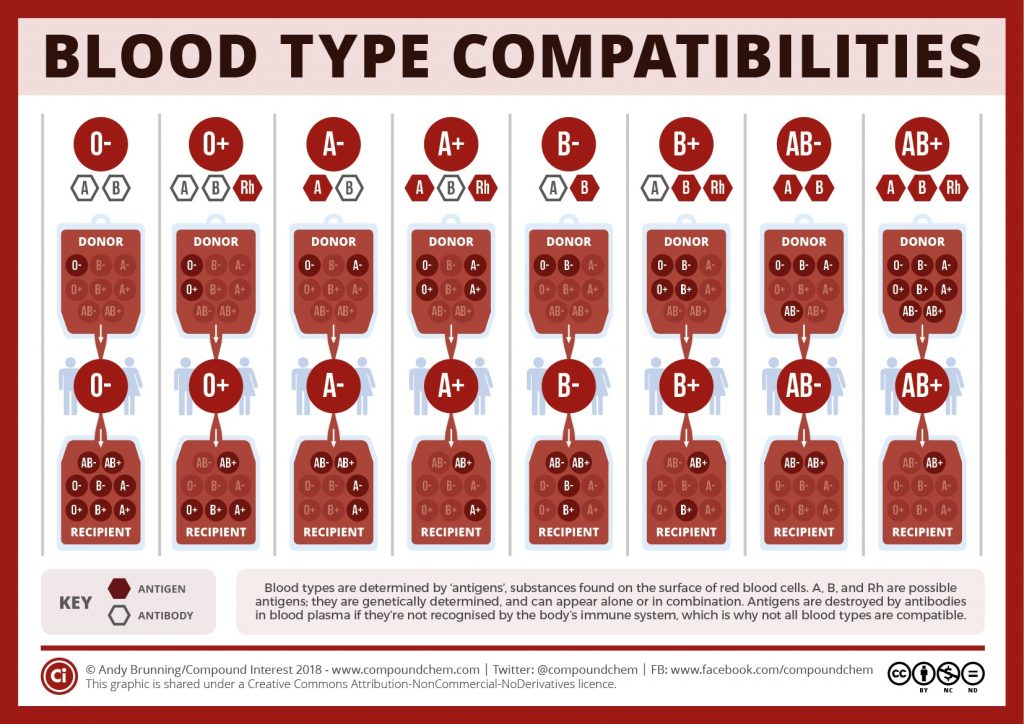
The ABO system classifies blood into four main types: A, B, AB, and O. This classification is based on the presence or absence of specific protein markers, called antigens, on the surface of your red blood cells. Think of these antigens as tiny flags or identification badges.
- Type A blood has A antigens on its red blood cells.
- Type B blood has B antigens on its red blood cells.
- Type AB blood has both A and B antigens.
- Type O blood has neither A nor B antigens.
But it’s not just about what’s on your cells; it’s also about what’s in your plasma. Your body produces antibodies against the antigens it doesn’t have. These antibodies are like your immune system’s sentinels, programmed to attack any foreign antigens they encounter.
- Type A blood has anti-B antibodies in its plasma.
- Type B blood has anti-A antibodies in its plasma.
- Type AB blood has neither anti-A nor anti-B antibodies.
- Type O blood has both anti-A and anti-B antibodies.
This intricate dance between antigens and antibodies is the fundamental reason why blood transfusions require careful matching. If you receive blood with antigens your body’s antibodies recognize as foreign, a severe immune reaction will occur, leading to agglutination, cell destruction, and potentially fatal consequences.
The Rh System: The Positive or Negative Twist
While the ABO system is foundational, it’s only half the story. In 1937, Landsteiner, along with Alexander Wiener, discovered another crucial antigen, initially identified in rhesus monkeys (hence "Rh"). This Rh factor, specifically the D antigen, determines whether your blood type is positive (+) or negative (-).
- If your red blood cells have the Rh (D) antigen, you are Rh-positive.
- If your red blood cells lack the Rh (D) antigen, you are Rh-negative.
Unlike the ABO system where antibodies are naturally present, Rh-negative individuals only develop anti-Rh antibodies if they are exposed to Rh-positive blood (e.g., through a transfusion or during pregnancy). This distinction is critically important, particularly in obstetrics, as we will discuss shortly.