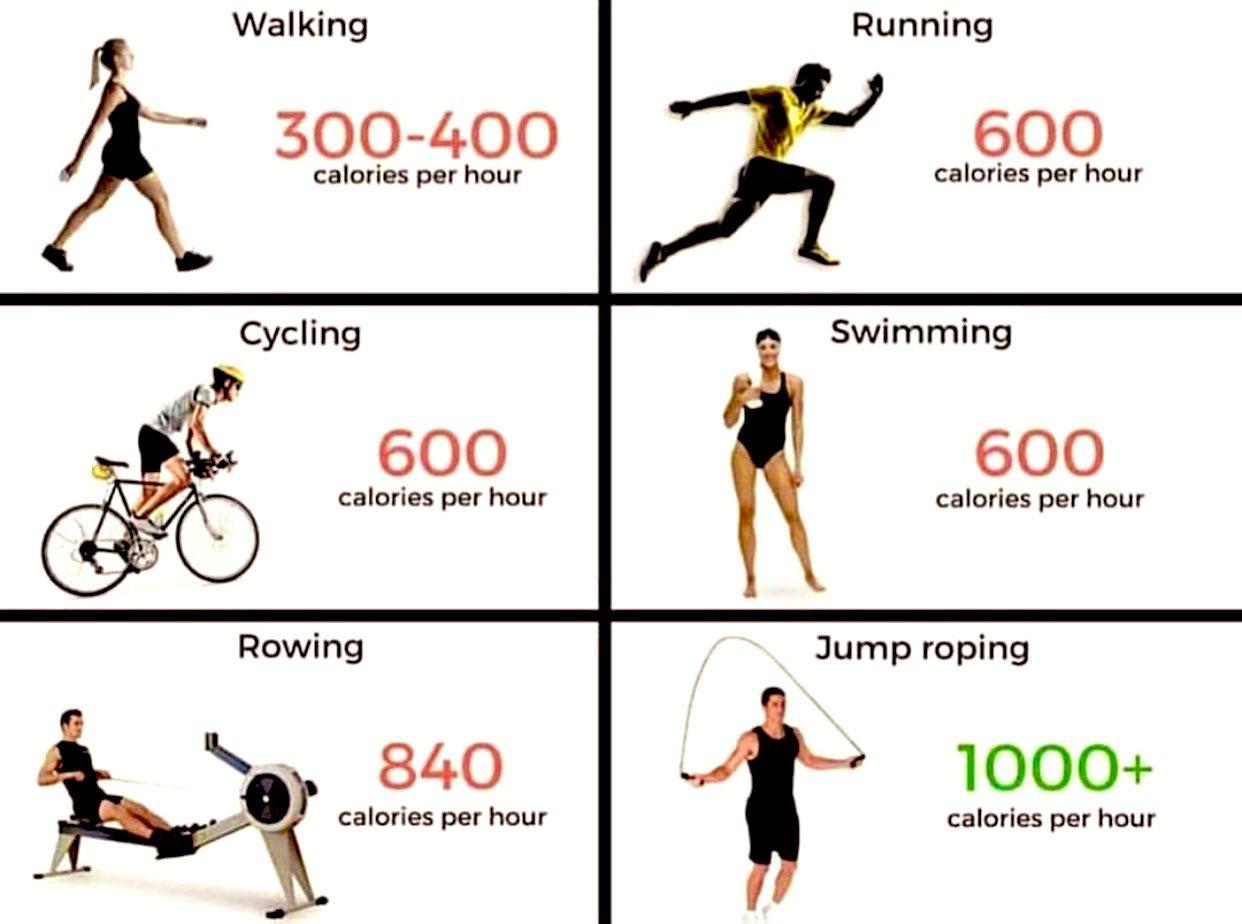
The question hangs in the air, often whispered with a chuckle or pondered with a knowing smirk: Can sex truly be considered exercise? It’s a query that dances on the boundary between the intimate and the scientific, between the visceral thrill of human connection and the measured metrics of physical exertion. For a species perpetually seeking new avenues for health and vitality, and equally driven by pleasure and intimacy, the potential convergence of these two fundamental aspects of life is undeniably intriguing.
We live in an era obsessed with optimization, where every calorie, every step, every minute of activity is tracked, analyzed, and often, gamified. From smartwatches monitoring heart rates during a morning jog to apps calculating the energy expenditure of a brisk walk, the modern individual is armed with an arsenal of tools designed to quantify their physical output. It is against this backdrop of meticulous self-assessment that the age-old act of lovemaking finds itself under the scientific microscope, scrutinized not just for its emotional and reproductive significance, but for its potential contribution to our fitness goals.
But to truly answer this question, we must embark on a journey that transcends mere calorie counting. We must delve into the intricate physiology of arousal and climax, explore the psychological landscapes of intimacy and pleasure, and critically examine the very definition of "exercise" itself. This isn’t just about numbers; it’s about understanding the holistic symphony of the human experience, where physical exertion, emotional connection, and mental well-being are inextricably intertwined.
The Evolving Definition of "Exercise": More Than Just Sweat and Strain
Before we can even begin to evaluate sex as exercise, we must first establish what we mean by "exercise." For the knowledgeable audience, the term isn’t simply synonymous with "working out at the gym." It encompasses a spectrum of physical activities designed to maintain or improve physical fitness and health.
Historically, exercise was often viewed through a lens of arduous training – lifting heavy objects, running long distances, engaging in competitive sports. The focus was on strenuous effort, measurable output, and often, the pursuit of peak physical performance. However, modern understanding, championed by organizations like the American College of Sports Medicine (ACSM) and the World Health Organization (WHO), has broadened this definition considerably.
Exercise is now understood to be any bodily activity that enhances or maintains physical fitness and overall health and wellness. It can be categorized by intensity:
- Light-intensity activity: Daily movements that don’t significantly increase heart rate or breathing (e.g., slow walking, light stretching, desk work).
- Moderate-intensity activity: Activities that get your heart rate up and make you breathe harder, but you can still hold a conversation (e.g., brisk walking, dancing, gardening, swimming). These are often recommended for 150-300 minutes per week.
- Vigorous-intensity activity: Activities that make your heart rate substantially higher, cause rapid breathing, and make holding a conversation difficult (e.g., running, intense cycling, competitive sports). These are often recommended for 75-150 minutes per week.
A key metric in quantifying energy expenditure during physical activity is the Metabolic Equivalent of Task (MET). One MET is defined as the energy expended while sitting quietly. Activities are then assigned MET values relative to this baseline. For instance, an activity with a MET value of 3 expends three times the energy of sitting still, classifying it as moderate intensity. Vigorous activities typically have MET values of 6 or higher.
Crucially, exercise is not just about calorie burn; it’s about stimulating physiological adaptations. It strengthens the cardiovascular system, builds muscle mass, improves flexibility, enhances bone density, and contributes to mental well-being. So, when we ask if sex is exercise, we’re not merely asking if it burns a few calories; we’re asking if it triggers these beneficial physiological responses in a meaningful way.
The Symphony of Sensation: A Deep Dive into the Physiology of Sex
To understand sex as a physical activity, we must first appreciate the remarkable physiological journey the body undertakes during sexual arousal and climax. Far from a passive act, sex is a complex dance of neurological signals, hormonal surges, and muscular contractions that profoundly impacts multiple bodily systems.
Let’s break down the classic four-phase model of the human sexual response, originally proposed by Masters and Johnson, and observe the physiological exertion at each stage:
Phase 1: Excitement (Arousal)
The journey begins. Sensory input—sight, touch, smell, sound, even thought—triggers a cascade of neural responses. The parasympathetic nervous system takes the initial lead, promoting relaxation and blood flow.
- Cardiovascular System: Heart rate begins to accelerate, increasing from a resting rate of perhaps 60-80 beats per minute (bpm) to 80-100 bpm or more. Blood pressure also starts to rise slightly.
- Respiratory System: Breathing deepens and quickens as the body prepares for activity.
- Muscular System: Myotonia, or increased muscle tension, begins to develop throughout the body. This isn’t just localized; it’s a subtle tensing of muscles in the limbs, back, and abdomen.
- Genital Response: Vasocongestion occurs, meaning blood rushes to the genital area. In men, this leads to penile erection. In women, it causes clitoral engorgement, labial swelling, and vaginal lubrication. This blood flow requires the heart to work harder, pushing blood through dilated vessels.
- Neurochemical Release: Dopamine, the "reward" neurotransmitter, begins to flow, creating feelings of pleasure and anticipation. Norepinephrine (noradrenaline) also increases, contributing to arousal and increased heart rate.
Phase 2: Plateau
The physiological changes initiated during excitement intensify. The body hovers at a heightened state of arousal, preparing for orgasm.