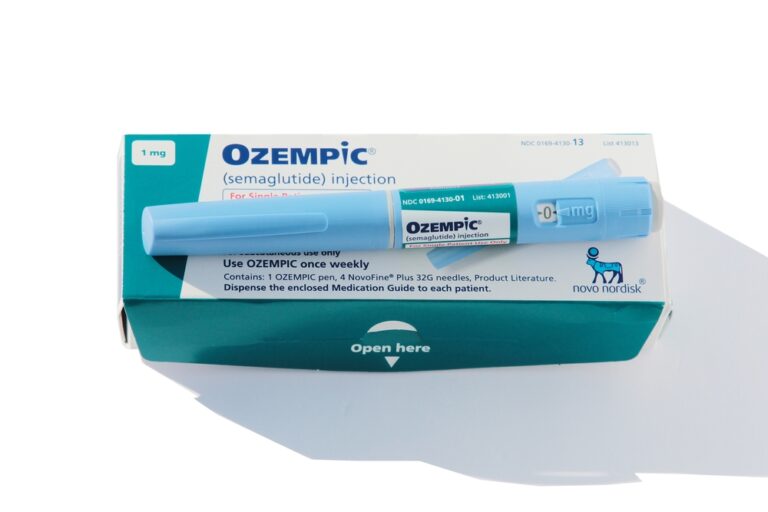
In the annals of modern medicine, few pharmaceutical breakthroughs have captured the public imagination and reshaped clinical practice as rapidly and profoundly as the GLP-1 receptor agonists. Drugs like Ozempic (semaglutide for diabetes) and its higher-dose sibling Wegovy (semaglutide for weight loss), along with their predecessors and burgeoning successors, have been hailed as nothing short of revolutionary. They promise not just better glycemic control for millions living with type 2 diabetes but also, critically, a potent weapon in the global battle against obesity, a chronic disease often refractory to conventional interventions. The stories of dramatic weight loss, improved health markers, and renewed vitality have saturated media, offering a beacon of hope to those long struggling with their weight.
Yet, beneath the glittering surface of unprecedented success, an undercurrent of concern has begun to ripple through the medical community and patient forums alike. While the common gastrointestinal side effects – nausea, vomiting, diarrhea, and constipation – have been well-documented since early clinical trials, a growing body of real-world evidence and observational studies is now pointing towards a rarer, yet significantly more severe, spectrum of gastrointestinal complications. From the debilitating paralysis of the stomach known as gastroparesis to acute pancreatitis, bowel obstructions, and severe gallbladder disease, these are not mere inconveniences but potentially life-altering or even life-threatening conditions.
This article embarks on a journey to explore this complex landscape, moving beyond the headlines to delve into the science, the patient experiences, and the evolving understanding of the profound gastrointestinal risks associated with these transformative drugs. For a knowledgeable audience, it’s a story not just of medical advancement, but of the intricate balance between profound therapeutic benefit and the subtle, sometimes severe, trade-offs that emerge as a drug moves from controlled trials into the vast, unpredictable tapestry of real-world use. It is a narrative that demands a nuanced perspective, acknowledging the immense good these drugs deliver while rigorously examining the shadows they cast.
The Dawn of a New Era: GLP-1 Agonists’ Ascendant Arc
The story of GLP-1 agonists begins with a fascinating discovery: a hormone produced in the gut that plays a crucial role in glucose metabolism and appetite regulation. Glucagon-like peptide-1 (GLP-1) is an incretin hormone, meaning it’s released in response to food intake and stimulates insulin secretion, suppresses glucagon, slows gastric emptying, and promotes satiety. The challenge, however, was that natural GLP-1 is rapidly degraded in the body, making it unsuitable as a therapeutic.
Enter the pharmaceutical innovators. By modifying the GLP-1 molecule, they created analogues that resist degradation, allowing for sustained action. Liraglutide (Victoza, Saxenda) was an early success, followed by the game-changer: semaglutide. Delivered initially as a once-weekly injectable (Ozempic), and later as an oral tablet (Rybelsus), semaglutide demonstrated remarkable efficacy in improving glycemic control for type 2 diabetes patients. But it was its potent effect on weight loss that truly propelled it into the spotlight. Recognizing this potential, a higher-dose formulation of semaglutide was developed specifically for chronic weight management, branded as Wegovy. Suddenly, a drug that was revolutionizing diabetes care was poised to transform the landscape of obesity treatment, offering an average weight loss of 15-20% in clinical trials – a level previously only achievable through bariatric surgery.
The mechanism behind this transformative effect is multifaceted. By activating GLP-1 receptors in the pancreas, these drugs enhance glucose-dependent insulin secretion, lowering blood sugar. In the brain, they act on appetite centers, increasing feelings of fullness and reducing food cravings. Crucially, they also significantly slow gastric emptying – the rate at which food moves from the stomach into the small intestine. This delayed transit contributes to satiety, as food remains in the stomach longer, sending signals of fullness to the brain. For many, this cascade of actions has been life-altering, leading to not just weight reduction but also improvements in cardiovascular health, blood pressure, and lipid profiles. The initial narrative was overwhelmingly positive, painting a picture of a medical marvel that offered hope where little existed before.
Beneath the Surface: Unveiling the Gastrointestinal Undercurrent
While the benefits are undeniable, the very mechanisms that make GLP-1 agonists so effective also underpin their most common, and increasingly, their most severe, side effects. From the outset, clinical trials reported that a significant proportion of patients experienced gastrointestinal disturbances. Nausea, vomiting, diarrhea, and constipation were common, particularly during dose escalation, and were often cited as reasons for treatment discontinuation. For the most part, these were considered manageable, transient, or dose-dependent, fading as the body adjusted to the medication. Patients were advised to titrate slowly, eat smaller meals, and avoid fatty foods to mitigate these effects.
However, as millions more people began using these medications in the real world, and for extended periods, a more concerning pattern began to emerge. Reports from pharmacovigilance systems, patient forums, and later, large-scale observational studies, started to highlight a spectrum of severe gastrointestinal events that went far beyond mere discomfort. These were not just temporary nuisances but serious medical conditions requiring emergency care, hospitalization, and in some cases, long-term management. The spotlight began to shift to conditions like gastroparesis, acute pancreatitis, bowel obstruction, and acute cholecystitis (gallbladder inflammation), painting a more complex picture of the GLP-1 experience.
This shift underscores a critical difference between the controlled environment of clinical trials and the diverse reality of general patient populations. Clinical trials, by necessity, have stringent inclusion and exclusion criteria, often screening out individuals with pre-existing conditions that might complicate results. They also involve close monitoring and specific protocols. Real-world use, conversely, encompasses a vast array of patient comorbidities, genetic predispositions, concomitant medications, and lifestyle factors that can interact with a drug in unpredictable ways, revealing rarer adverse events that might have been statistically invisible in smaller, more homogenous trial cohorts.
The Science of Discomfort: Mechanisms Behind the Severe Side Effects
To understand the severe gastrointestinal side effects, one must revisit the very pharmacology of GLP-1 agonists. The central player here is the deliberate slowing of gastric emptying.
Gastroparesis: The Stomach’s Silent Standstill
Gastroparesis, or delayed gastric emptying, is perhaps the most direct and concerning severe GI side effect linked to GLP-1 agonists. While these drugs are designed to slow stomach emptying, for some individuals, this effect can become pathologically excessive. The stomach, instead of rhythmically contracting to push food into the small intestine, becomes sluggish or virtually paralyzed.
The symptoms are debilitating: chronic, severe nausea and vomiting, often hours after eating; early satiety that prevents adequate food intake; bloating; abdominal pain; and significant weight loss due to an inability to tolerate food. Imagine Sarah, a 45-year-old woman who started Wegovy with great success, shedding 40 pounds and feeling healthier than she had in years. But after six months, she developed intractable nausea. Meals became a source of dread, followed by hours of stomach discomfort and often vomiting. She became afraid to eat, her energy plummeted, and the joy of her weight loss was overshadowed by constant misery. Her diagnosis: severe gastroparesis, confirmed by a gastric emptying study showing significantly delayed food transit. For Sarah, the drug that promised liberation from obesity had, paradoxically, imprisoned her in a cycle of GI distress.
Diagnosing gastroparesis can be challenging, as its symptoms can mimic other GI conditions. The gold standard is a gastric emptying scintigraphy, where a patient eats a meal containing a small amount of radioactive material, and images are taken over several hours to track the food’s movement. While some degree of delayed gastric emptying is an intended effect of GLP-1s, the distinction lies in the severity and clinical impact. When the delay becomes so pronounced that it causes significant morbidity, it crosses the line into a severe adverse event. The long-term implications of drug-induced gastroparesis are not yet fully understood, and for some, the condition may persist even after discontinuing the medication, necessitating dietary modifications, antiemetics, and prokinetics.
Pancreatitis: The Inflamed Gland
Acute pancreatitis, an inflammation of the pancreas, is another serious risk. The pancreas is a vital organ tucked behind the stomach, responsible for producing digestive enzymes and hormones like insulin. Pancreatitis is characterized by sudden, severe upper abdominal pain that often radiates to the back, accompanied by nausea, vomiting, and fever. In severe cases, it can lead to organ failure and even death.
The link between GLP-1 agonists and pancreatitis has been a subject of debate for over a decade, with early concerns emerging during the development of the first incretin mimetics. Proposed mechanisms include direct stimulation of GLP-1 receptors on pancreatic cells, potentially leading to inflammation, or an indirect effect related to gallstone formation, which can block the pancreatic duct and trigger pancreatitis. While the absolute risk remains low, several large observational studies have indicated a statistically significant increase in the risk of acute pancreatitis among GLP-1 users compared to those on other diabetes or weight loss medications. For example, a 2023 study published in Gastroenterology found a 9-fold increased risk of pancreatitis with semaglutide and tirzepatide compared to bupropion/naltrexone.
Consider Mark, a 58-year-old man who, after six months on Ozempic, suddenly developed excruciating abdominal pain. He was rushed to the emergency room, where blood tests revealed sky-high pancreatic enzyme levels, and imaging confirmed acute pancreatitis. He required hospitalization for pain management, intravenous fluids, and bowel rest. While he eventually recovered, the experience was terrifying, and he had to discontinue Ozempic, left with the fear of recurrence. Patients with a history of pancreatitis or other risk factors, such as high triglycerides, need particularly careful consideration before starting these medications.
Bowel Obstruction (Ileus): A Blocked Path
While less frequently highlighted than gastroparesis or pancreatitis, reports of bowel obstruction, specifically ileus (a functional obstruction where the bowel stops moving), have also surfaced. The profound slowing of gut motility by GLP-1 agonists is not confined to the stomach; it can extend throughout the intestinal tract. When peristalsis (the rhythmic contractions that propel food and waste through the intestines) is severely inhibited, intestinal contents can back up, leading to a functional obstruction.
Symptoms include severe abdominal pain, bloating, distention, inability to pass gas or stool, and vomiting. If not promptly recognized and treated, a bowel obstruction can lead to complications such as bowel ischemia or perforation. The precise incidence of GLP-1 induced ileus is still being quantified, but it represents a serious concern for patients and clinicians alike, particularly those with pre-existing motility disorders or a history of abdominal surgery.
Cholecystitis and Gallstones: A Rapid Weight Loss Consequence
Acute cholecystitis, or inflammation of the gallbladder, often caused by gallstones blocking the cystic duct, is another documented risk. While GLP-1 agonists don’t directly cause gallstones, their potent effect on rapid weight loss does. It is well-established that rapid weight loss, regardless of the method, is a significant risk factor for gallstone formation. This is thought to be due to changes in bile composition, with increased cholesterol saturation and reduced gallbladder motility, leading to the precipitation of cholesterol crystals.
Given that GLP-1 agonists facilitate substantial and often rapid weight loss, it is unsurprising that the incidence of gallstones and cholecystitis is elevated in patients using these medications. Studies have shown a significantly increased risk, sometimes doubling or tripling the baseline risk. Patients experiencing symptoms like severe right upper quadrant pain, nausea, vomiting, and fever should be evaluated for gallbladder issues. For some, this may necessitate a cholecystectomy (gallbladder removal). This complication presents a unique challenge: is it a direct drug effect, or a consequence of the highly desired therapeutic effect (weight loss)? Regardless, it is a risk that must be communicated and managed.
From Clinical Trials to Real-World Data: A Shifting Landscape
The journey from initial clinical trials to widespread public use often reveals a more complex safety profile for any drug. Clinical trials are designed to prove efficacy and identify common side effects in a relatively controlled population. They are often underpowered to detect rare but severe adverse events that might occur in 1 in 1,000 or 1 in 10,000 patients. It is only when a drug is prescribed to millions that these rarer signals become statistically apparent.