The Grand Prologue: A World Under Siege
Imagine, for a moment, a microscopic world humming with an intricate dance of life – the bustling metropolis within each of our cells. Billions of tiny factories, power generators, and communication networks operate in perfect synchronicity, forming the very foundation of our existence. This cellular civilization, however, is not without its threats. Invisible, relentless, and pervasive, an insidious enemy constantly seeks to disrupt this delicate balance: oxidative stress.
Oxidative stress is the silent marauder, born from the very processes that sustain us – respiration, metabolism, and even our interaction with the environment. It manifests as an imbalance between the production of reactive oxygen species (ROS) and the body’s ability to detoxify them. These ROS, often referred to as free radicals, are molecules with unpaired electrons, rendering them highly unstable and aggressively reactive. Like rogue agents in our cellular city, they indiscriminately attack vital structures – the DNA blueprints, the protein machinery, and the delicate lipid membranes that encase each cell – causing damage that can ripple outwards, leading to inflammation, accelerated aging, and a myriad of chronic diseases.
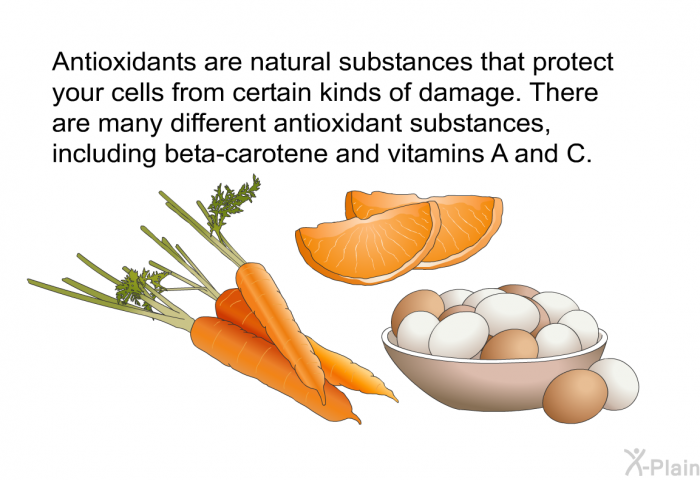
In this relentless war, our cells are not defenseless. Nature, in its infinite wisdom, has endowed us with an intricate and powerful defense system: antioxidants. These cellular gladiators are the heroes of our internal battlefield, sacrificing themselves to neutralize the free radical threat, donating their own electrons to stabilize these destructive molecules before they can wreak havoc. They are the armor that shields our cellular integrity, the repair crew that mends molecular damage, and the guardians that ensure the continuation of life’s delicate dance.
Among the vast arsenal of antioxidants, one particular group stands out for its vibrant presence in our diet and its remarkable versatility: Provitamin A carotenoids. These aren’t just colorful pigments adorning our fruits and vegetables; they are a sophisticated vanguard, offering both direct antioxidant protection and serving as crucial precursors to Vitamin A, a nutrient essential for vision, immune function, and cellular growth. This is the story of Provitamin A – our unsung hero in the fight against oxidative stress, an essential component of our "Antioxidant Armor."
Unveiling the Enemy: The Nature of Oxidative Stress
To truly appreciate the protective prowess of Provitamin A, we must first understand the enemy it combats. Free radicals and reactive oxygen species (ROS) are not inherently evil; in fact, some are vital for cellular signaling and immune responses, acting as molecular messengers or weapons against pathogens. The problem arises when their production overwhelms the body’s capacity to neutralize them.
The most common free radical is the superoxide radical (O2•-), a byproduct of mitochondrial respiration, the process by which our cells generate energy. Other notable ROS include hydrogen peroxide (H2O2) and the highly destructive hydroxyl radical (•OH). Reactive nitrogen species (RNS), such as nitric oxide (NO•) and peroxynitrite (ONOO-), also contribute to oxidative stress, often in conjunction with ROS.
How do these molecular marauders inflict damage?
Their primary modus operandi is to steal electrons from stable molecules to satisfy their own craving for stability. This electron theft initiates a chain reaction: the attacked molecule, now missing an electron, becomes a free radical itself, perpetuating the cycle of damage.
- Lipid Peroxidation: Cell membranes are rich in polyunsaturated fatty acids. Free radicals attack these lipids, initiating a chain reaction that damages the membrane’s structural integrity, impairing cellular function and communication. This is akin to punching holes in the city walls.
- Protein Damage: Proteins, the workhorses of the cell, can be oxidized, leading to changes in their structure and function. Enzymes might lose their catalytic activity, structural proteins might become dysfunctional, and signaling proteins might send incorrect messages. This cripples the city’s infrastructure and communication systems.
- DNA Damage: The genetic blueprint, DNA, is a prime target. Free radicals can cause base modifications, strand breaks, and cross-linking, leading to mutations. If these mutations are not repaired, they can contribute to carcinogenesis (cancer development) and accelerate cellular aging. This is like corrupting the city’s fundamental architectural plans.
The sources of free radicals are diverse, stemming from both internal metabolic processes and external environmental factors:
- Endogenous: Normal metabolic processes (cellular respiration), inflammation, immune responses, strenuous exercise.
- Exogenous: UV radiation, ionizing radiation (X-rays), air pollution, cigarette smoke, certain medications, industrial chemicals, heavy metals, pesticides, and even psychological stress.
The cumulative effect of unchecked oxidative stress is profound. It’s a key contributor to the development and progression of numerous chronic diseases, including cardiovascular diseases (atherosclerosis), neurodegenerative disorders (Alzheimer’s, Parkinson’s), diabetes, chronic kidney disease, various cancers, and the overall process of aging. Understanding this intricate web of destruction underscores the critical importance of a robust antioxidant defense.
The Vanguard of Defense: Antioxidants – A Classification
In the face of such pervasive threats, our bodies have evolved sophisticated strategies to mitigate oxidative damage. These strategies involve a complex interplay of endogenous (internally produced) and exogenous (obtained from diet) antioxidants, working in concert to maintain cellular homeostasis.
Endogenous Antioxidant Systems:
Our bodies are equipped with a powerful first line of defense, primarily enzymatic antioxidants:
- Superoxide Dismutase (SOD): Converts the superoxide radical into hydrogen peroxide.
- Catalase: Breaks down hydrogen peroxide into water and oxygen.
- Glutathione Peroxidase (GPx): Reduces hydrogen peroxide and lipid hydroperoxides to water and lipid alcohols, utilizing glutathione as a co-substrate.