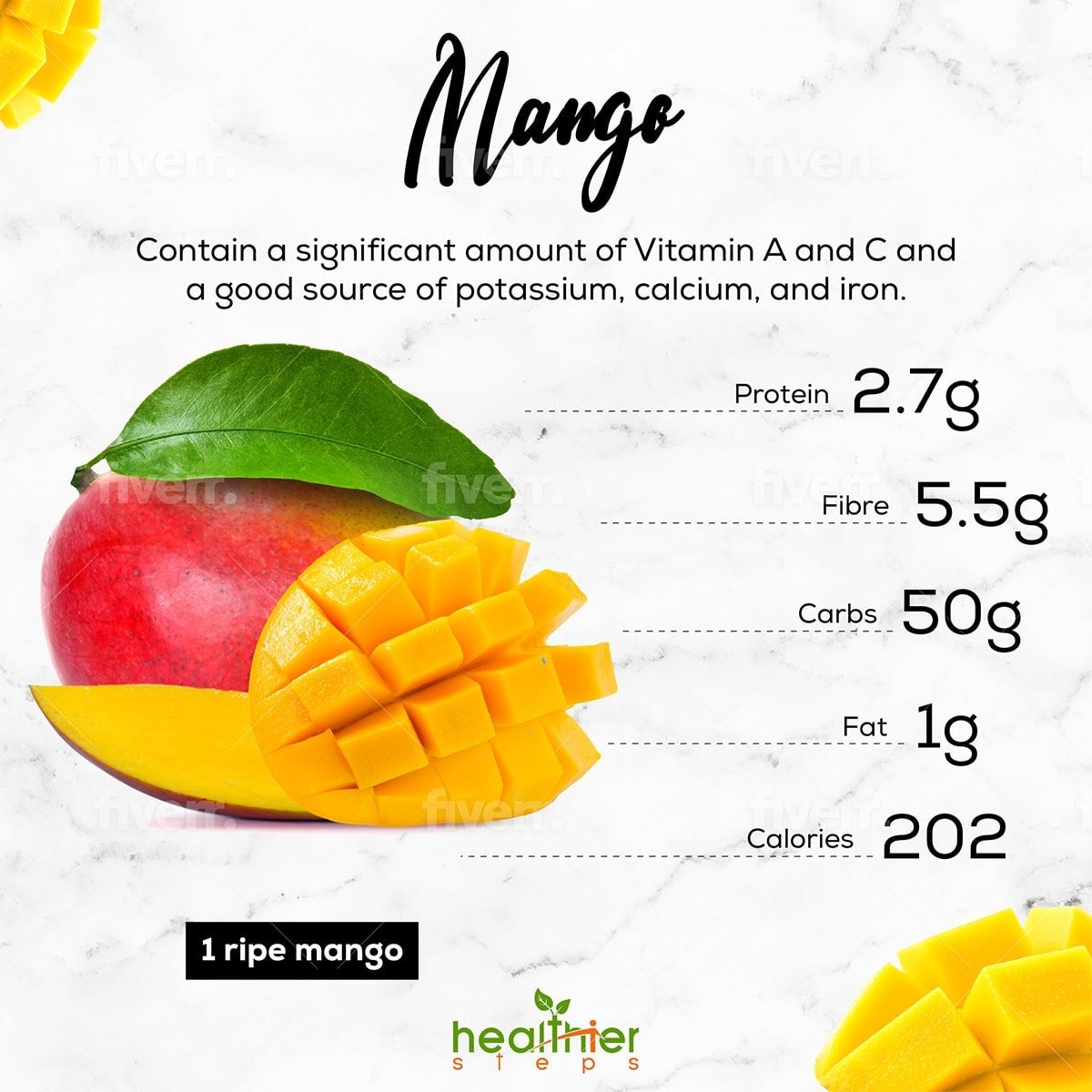
The mango. Just the word itself conjures images of sun-drenched landscapes, vibrant hues, and a taste that is simultaneously sweet, tangy, and utterly intoxicating. It’s a fruit that transcends mere sustenance, evolving into a cultural icon, a symbol of prosperity, and a universal delight. For many, it’s the undisputed "King of Fruits," a crown worn with effortless grace. Yet, beneath its juicy exterior and irresistible allure lies a complexity that most casual admirers never fully uncover.
We think we know the mango. We savor its tropical symphony in smoothies, salads, and on its own, dripping down our chins in a glorious mess. But what if I told you that the mango’s story is far richer, its health benefits more profound, and its secrets more intriguing than you could ever imagine? For the discerning palate and the curious mind, there’s a world of mango lore waiting to be peeled back. Prepare to delve into the depths of this golden marvel, as we unveil ten fascinating facts that will forever change the way you look at, and appreciate, the sweet, succulent, and secretly healthy mango.
Fact 1: The Mango’s Ancient Lineage and Sacred Status: A Fruit Born of Legend and Time
Long before it graced supermarket shelves or starred in Instagram feeds, the mango was a fruit of immense spiritual and historical significance. Its journey began not just centuries, but millennia ago, deep within the lush, monsoon-fed forests of what is now northeastern India, Bangladesh, and Myanmar. Archaeological evidence and ancient texts suggest that mangoes have been cultivated for an astounding 4,000 to 6,000 years, making them one of the oldest cultivated fruits known to humanity.
This isn’t merely a tale of ancient agriculture; it’s a narrative steeped in myth and reverence. In Hindu mythology, the mango holds a sacred position, often referred to as a "fruit of the gods." It is intrinsically linked to various deities, notably the god Ganesha, who is said to have been offered a mango by his parents as a prize for encircling the world (which he cleverly did by simply circling them). The mango tree itself is considered a symbol of love, fertility, and even prosperity, often planted near temples and homes as a blessing. The legend of the Kalpavriksha, the wish-granting tree, is sometimes associated with the mango tree, further elevating its mystical status.
Buddhism also embraces the mango’s symbolism. It is believed that Lord Buddha himself meditated under a mango tree, and its leaves are frequently used in Buddhist ceremonies as a sign of purity and enlightenment. The fruit’s vibrant color and life-giving properties were seen as reflections of divine grace and natural abundance.
From these ancient roots, the mango began its slow, deliberate conquest of the world. Buddhist monks are credited with carrying mango seeds on their travels across Asia, introducing the fruit to Southeast Asia, Malaysia, and beyond. Persian traders later brought it to the Middle East and Africa, and eventually, Portuguese explorers introduced it to Brazil and other parts of the New World in the 16th century. This epic journey, spanning continents and millennia, underscores not just the mango’s deliciousness, but its profound cultural impact as a fruit revered, propagated, and cherished by countless generations. Understanding its ancient lineage allows us to appreciate that every bite of a mango connects us to a rich tapestry of human history and spiritual devotion.
Fact 2: The "King of Fruits" Isn’t Just a Nickname – It’s a Botanical Marvel with Over 1,000 Cultivars
When we speak of the mango as the "King of Fruits," it’s not simply an ode to its taste or popularity. It’s a recognition of its astounding botanical diversity and complexity. Scientifically known as Mangifera indica, the mango is a tropical drupe, meaning it’s a fleshy fruit with a hard, stony pit containing a single seed, much like a peach or a plum, but with a unique fibrous texture. What truly sets it apart, however, is the sheer breadth of its varieties.
Imagine a fruit with over 1,000 named cultivars, each boasting its own distinct personality. From the legendary Indian Alphonso, often hailed as the "King of Mangoes" within India itself for its unparalleled sweetness, creamy texture, and rich aroma, to the smaller, intensely sweet Ataulfo (honey mango) from Mexico, and the large, firm, and less fibrous Kent or Tommy Atkins varieties common in Western markets – the spectrum is astonishing.
These cultivars differ dramatically in size, shape, color (from green and yellow to vibrant red and purple), fiber content, sweetness, tanginess, and even their underlying aromatic profiles. Some are ideal for slicing and eating fresh, others for making pulps and juices, and still others are prized for pickles or chutneys. This vast genetic diversity is a testament to thousands of years of natural selection and meticulous human cultivation, cross-breeding, and grafting techniques.
For the knowledgeable consumer, understanding this diversity is key to unlocking new culinary experiences. A specific dish might call for the buttery richness of an Alphonso, while a refreshing salsa might benefit from the firmer flesh and slight tartness of a Haden. This incredible genetic library not only offers a kaleidoscope of flavors but also represents a vital genetic resource for plant breeders working to develop new, disease-resistant, and climate-resilient varieties to ensure the mango’s future reign amidst changing environmental conditions. The "King of Fruits" truly earns its title through this unparalleled botanical majesty.
Fact 3: A Phytonutrient Powerhouse Beyond Basic Vitamins: The Secret Weapon Against Inflammation
While many fruits are celebrated for their vitamin content, the mango harbors a "secret weapon" in its arsenal of health benefits: an extraordinary array of phytonutrients, particularly the potent antioxidant mangiferin. While vitamins C and A (as beta-carotene) are indeed abundant and crucial for immune function and vision, mangiferin elevates the mango into a league of its own as a functional food.
Mangiferin is a unique xanthone, a class of polyphenolic compounds, found predominantly in mangoes (especially in the skin, seed, and leaves, but significantly present in the flesh). Research into mangiferin has revealed a staggering range of potential therapeutic properties. It’s a powerful antioxidant, meaning it actively neutralizes free radicals that cause cellular damage and contribute to aging and chronic diseases.
Beyond its antioxidant prowess, mangiferin is a remarkable anti-inflammatory agent. Chronic inflammation is now understood to be a root cause of many modern ailments, including heart disease, diabetes, certain cancers, and neurodegenerative disorders. By modulating inflammatory pathways, mangiferin helps to quell this systemic fire, offering a protective shield for various organs and systems.
Furthermore, studies suggest that mangiferin exhibits promising anti-cancer properties, inhibiting tumor growth and inducing apoptosis (programmed cell death) in various cancer cell lines. It also shows potential in protecting the liver, supporting cardiovascular health by improving lipid profiles and reducing arterial stiffness, and even exhibiting neuroprotective effects, potentially safeguarding brain health against age-related decline.
Other notable phytonutrients in mangoes include quercetin, gallic acid, ellagic acid, and various carotenoids. Quercetin, another flavonoid, is known for its antihistamine and anti-inflammatory effects. Gallic acid and ellagic acid contribute to the mango’s antioxidant capacity and have been linked to cancer prevention. This complex synergy of compounds means that a mango is far more than just a source of basic vitamins; it’s a sophisticated package of bioactive compounds working in concert to promote profound health and combat disease, truly making it "secretly healthy."
Fact 4: The Gut’s Best Friend: Prebiotic Fiber and Digestive Enzymes for a Happy Tummy
The phrase "gut health" has become a modern wellness mantra, and for good reason. A healthy gut microbiome is fundamental to everything from immunity and nutrient absorption to mood regulation and chronic disease prevention. Here, the mango steps up as a silent champion, offering a powerful combination of prebiotic fiber and specific digestive enzymes that make it an exceptional ally for digestive wellness.
Firstly, mangoes are a good source of dietary fiber, comprising both soluble and insoluble types. Insoluble fiber adds bulk to stool, aiding in regular bowel movements and preventing constipation, acting like a natural scrub brush for the intestines. Soluble fiber, on the other hand, dissolves in water to form a gel-like substance, which can help regulate blood sugar levels and lower cholesterol.
However, the "secretly healthy" aspect for gut health goes deeper. The soluble fiber in mangoes acts as a prebiotic. Prebiotics are non-digestible food components that selectively stimulate the growth and activity of beneficial bacteria in the colon, essentially acting as "food" for your gut microbiome. By nourishing these good bacteria (probiotics), mangoes help to maintain a balanced and diverse gut ecosystem, which is crucial for optimal digestion, nutrient synthesis (like certain B vitamins and vitamin K), and a robust immune system. A thriving gut microbiome is a strong defense against pathogens and can even influence mental well-being.
Secondly, mangoes contain naturally occurring digestive enzymes, primarily amylases. Amylases are enzymes that break down complex carbohydrates (starches) into simpler sugars, making them easier for the body to absorb. This enzymatic action is particularly beneficial, as it can aid in the digestion of other foods eaten alongside the mango, reducing digestive strain and promoting more efficient nutrient extraction. While not as concentrated as in, say, papaya or pineapple, the presence of these enzymes, combined with its prebiotic fiber, positions the mango as a holistic digestive aid. Regular consumption can contribute to a smoother, more efficient digestive process, reducing bloating and discomfort, and fostering a happy, healthy gut from the inside out.