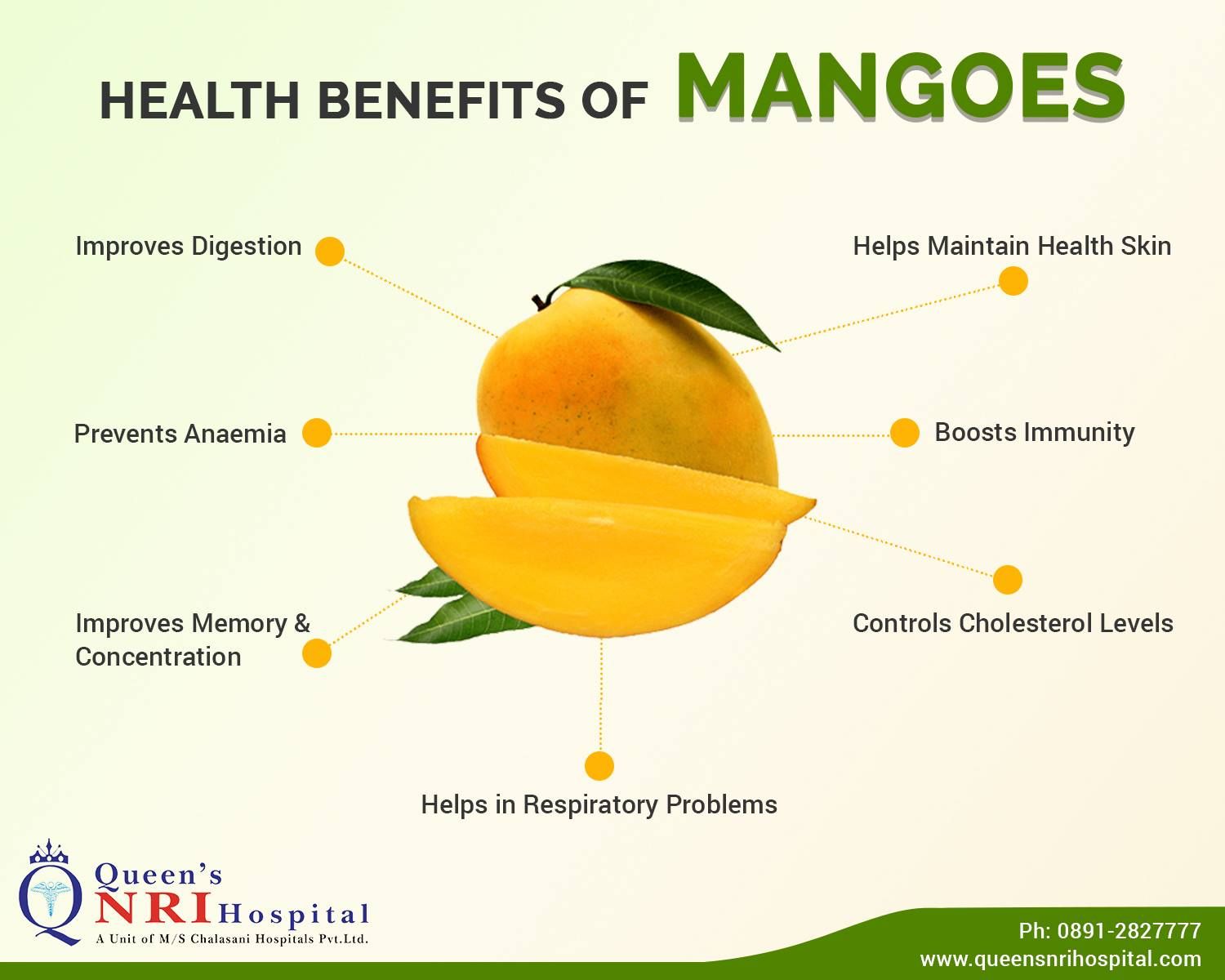
The sun-drenched, golden orb of a mango is more than just a fruit; it’s a vibrant symbol of tropical indulgence, a burst of sweetness that transports the palate to distant shores. For centuries, across cultures, the mango has been revered as the "King of Fruits," its succulent flesh a cherished treat. Yet, in our modern pursuit of convenience and aesthetic perfection, we often engage in a ritual that, unbeknownst to many, strips this royal fruit of a significant portion of its healing power: we peel it.
This article invites you on a journey of rediscovery, a paradigm shift in how we perceive and consume this magnificent fruit. We will delve beyond the familiar sweetness of its flesh to uncover the profound and often overlooked health benefits encapsulated within its vibrant skin, its potent leaves, and even its sturdy seed. Prepare to learn why, when it comes to mangoes, it’s time to stop peeling and truly start healing.
The Allure of the Golden Flesh: A Foundation of Wellness
Before we venture into the less-trodden paths of mango’s hidden potential, let us first pay homage to the familiar. The juicy, aromatic flesh of the mango, whether a ripe Ataulfo, a stringy Carabao, or a robust Alphonso, is a nutritional powerhouse in its own right. It’s a testament to nature’s ability to package essential nutrients in the most delectable forms.
1. A Symphony of Vitamins and Minerals:
Mango flesh is a treasure trove of vital nutrients. It’s exceptionally rich in Vitamin C, a powerful antioxidant crucial for immune function, collagen synthesis, and skin health. A single mango can provide a significant portion of the daily recommended intake, arming your body against oxidative stress and bolstering its defenses.
Beyond Vitamin C, mangoes are an excellent source of Vitamin A, primarily in the form of beta-carotene, a precursor that the body converts into retinol. Vitamin A is indispensable for vision, immune health, and cellular growth. This is what gives mangoes their characteristic orange hue, a visual cue to their antioxidant bounty.
Furthermore, mangoes offer a good dose of B vitamins, including B6 (pyridoxine) and folate (B9), which are essential for energy metabolism, brain function, and red blood cell formation. Minerals like potassium, vital for maintaining fluid balance, nerve signals, and muscle contractions, and copper, necessary for iron absorption and energy production, also contribute to the mango’s robust nutritional profile.
2. Digestive Harmony: The Power of Fiber and Enzymes:
One of the most immediate benefits felt from consuming mango flesh is its impact on digestion. Mangoes are rich in dietary fiber, both soluble and insoluble. Soluble fiber helps regulate blood sugar and cholesterol levels, while insoluble fiber adds bulk to stool, promoting regularity and preventing constipation. This dual action ensures a healthy and efficient digestive system, acting as a natural broom for your gut.
Moreover, mangoes contain digestive enzymes, notably amylases. These enzymes help break down complex carbohydrates into simpler sugars, making them easier for the body to absorb. This enzymatic action can alleviate digestive discomfort and improve nutrient assimilation, particularly after a heavy meal. For those with digestive sluggishness, a ripe mango can be a gentle, natural aid.
3. Immunity’s Ally: A Shield Against Illness:
The combined forces of Vitamin C, Vitamin A (beta-carotene), and various other antioxidants make mangoes a formidable ally for the immune system. Vitamin C directly stimulates the production and function of white blood cells, the body’s primary defense against pathogens. Beta-carotene enhances immune response and protects cells from damage. The holistic nutrient profile of mangoes creates an environment where the immune system can operate at its peak, reducing susceptibility to common colds, flu, and other infections.
4. Radiant Skin and Vision: Beauty from Within:
The high content of Vitamin A and C in mangoes directly translates to benefits for skin and vision. Vitamin C is a crucial component in collagen production, the protein that provides structure and elasticity to the skin, keeping it firm and youthful. Its antioxidant properties also protect skin cells from damage caused by UV radiation and environmental pollutants, potentially reducing signs of aging.
For vision, the beta-carotene in mangoes is paramount. It’s converted into Vitamin A in the retina, essential for healthy vision, especially in low light conditions. Additionally, antioxidants like zeaxanthin and lutein, also found in mangoes, are known to protect the eyes from harmful blue light and reduce the risk of age-related macular degeneration (AMD) and cataracts.
5. Heart Health: A Sweet Protector:
Mangoes contribute to cardiovascular health through multiple pathways. Their rich fiber content helps lower "bad" LDL cholesterol levels, while potassium helps regulate blood pressure by counteracting the effects of sodium. The presence of mangiferin, a unique polyphenol we will explore further, also contributes to heart health by reducing inflammation and oxidative stress, both key drivers of cardiovascular disease.
The Unsung Hero: Unveiling the Power of the Peel
Now, for the true revelation. For generations, the vibrant, often slightly bitter, and sometimes fibrous skin of the mango has been relegated to the compost bin. This act, however, is akin to discarding a treasure chest brimming with some of the fruit’s most potent medicinal compounds. The mango peel is not just a protective layer; it is a concentrated hub of bioactive compounds that offer a spectrum of health benefits often surpassing those of the flesh.
1. A Concentrated Antioxidant Hub: The Polyphenol Powerhouse:
While the flesh is rich in antioxidants, the peel takes it to another level. Studies have consistently shown that mango peel contains significantly higher concentrations of various polyphenols, flavonoids, and other phytonutrients compared to the pulp. Key compounds include:
- Mangiferin: This is perhaps the most celebrated compound in mangoes, found in highest concentrations in the peel and leaves. Mangiferin is a powerful xanthone, known for its exceptional antioxidant, anti-inflammatory, anti-diabetic, anti-viral, and even potential anti-cancer properties. It’s a superstar compound that deserves far more recognition.
- Quercetin: A widely studied flavonoid, quercetin is a potent antioxidant and anti-inflammatory agent. It has been linked to heart health, allergy relief, and improved immune function.
- Gallic Acid: A phenolic acid with strong antioxidant and anti-inflammatory effects. It also possesses antimicrobial and potential anti-cancer properties.
- Catechins and Epicatechins: These flavonoids, also found in green tea, are powerful antioxidants that protect cells from damage and support cardiovascular health.
- Anthocyanins: In some varieties, particularly those with red or purple skin, anthocyanins are abundant. These pigments are potent antioxidants known for their anti-inflammatory effects and role in cognitive health.