The alarm blares, slicing through the quiet pre-dawn air. Sarah groans, her mind already racing through the day’s impossibly long to-do list. Today is gym day, and as she contemplates her running shoes, an all-too-familiar question surfaces: Should she grab that banana and a spoonful of peanut butter now, before she laces up, or wait until after her sweat session? This seemingly simple decision, a flicker of thought in the sleepy haze, echoes a debate that has fueled countless fitness forums, diet books, and locker room conversations: When is the best time to eat for weight loss when you’re working out? Before or after?
For many, this isn’t just a logistical query; it’s a quest for the holy grail of efficiency, a desire to unlock the hidden metabolic cheat code that will finally melt away those stubborn pounds. The fitness landscape is littered with conflicting advice: "Train fasted to burn more fat!" shouts one guru. "Fuel your body to crush your workout and build muscle!" counters another. "The anabolic window is critical!" whispers a third. It’s enough to make anyone throw their hands up in exasperation and just eat whenever they feel like it – a strategy that, while simple, might leave them missing out on potential benefits or, worse, inadvertently hindering their progress.
But what if the answer wasn’t a rigid, one-size-fits-all directive? What if, instead, it was a nuanced tapestry woven from individual biology, workout intensity, personal preferences, and the overarching goal of sustainable weight loss? This isn’t just about calories in versus calories out; it’s about optimizing the physiological environment, understanding how our bodies respond to fuel at different times, and ultimately, empowering you to make an informed choice that aligns with your unique journey.
Let’s embark on an exploration, peeling back the layers of popular belief and diving deep into the science. We’ll examine the arguments for pre-workout fueling, the critical role of post-workout nutrition, and even delve into the intriguing world of fasted training. Our goal is not to declare a single victor, but to equip you with the knowledge to craft a personalized strategy, turning the dilemma into a powerful tool for your weight loss aspirations.
The "Why" Behind the Question: Metabolism, Energy, and the Weight Loss Equation
Before we dissect the timing, it’s crucial to understand the fundamental processes at play. Weight loss, at its core, revolves around creating a consistent caloric deficit: consuming fewer calories than your body expends. Exercise significantly contributes to this expenditure, but its impact extends far beyond just burning calories during the activity itself. It influences our metabolism, hormone levels, muscle mass (which is metabolically active), and even our appetite.
Our bodies are sophisticated machines, constantly seeking and utilizing energy. The primary energy sources are carbohydrates (stored as glycogen in muscles and liver), fats (stored as triglycerides in adipose tissue), and to a lesser extent, protein (primarily for repair and building, but can be converted to energy if needed).
When we exercise, our bodies tap into these fuel reserves. The intensity and duration of the workout dictate which fuel source is prioritized. High-intensity activities, like sprinting or heavy lifting, heavily rely on glycogen. Lower-intensity, longer-duration activities, like a brisk walk or steady-state cardio, tend to utilize a higher percentage of fat for fuel.
The debate around nutrient timing for weight loss centers on manipulating these metabolic pathways. Can we eat in such a way that we optimize fat burning, preserve muscle, enhance performance, or improve recovery – all of which indirectly or directly contribute to a more efficient and sustainable weight loss journey? The answer, as we’ll see, is a resounding "it depends."
The Case for Pre-Workout Fueling: Priming the Performance Engine
Imagine a race car at the starting line. Would you expect it to perform optimally with an empty fuel tank? Probably not. The same logic applies to our bodies, especially when we ask them to perform physically demanding tasks. The argument for eating before a workout primarily revolves around optimizing performance, preventing premature fatigue, and preserving muscle tissue.
1. Energy for Optimal Performance: The Glycogen Advantage
For many types of exercise, particularly those that are intense or sustained, carbohydrates are king. When you consume carbohydrates, they are broken down into glucose, which is either used immediately for energy or stored as glycogen in your muscles and liver. A pre-workout meal or snack, especially one rich in complex carbohydrates, ensures that your glycogen stores are topped up.
- High-Intensity Interval Training (HIIT) or Strength Training: These workouts demand immediate, explosive energy. Adequate glycogen allows you to push harder, lift heavier, and maintain intensity throughout your session. A higher quality workout translates to more calories burned, greater muscle stimulation, and ultimately, better results for weight loss and body composition. If your energy levels are low, you might cut your workout short, reduce your effort, or compromise your form, diminishing its effectiveness.
- Endurance Training: For longer runs, cycles, or swims, pre-workout carbs provide sustained energy, delaying the onset of fatigue and preventing the dreaded "bonk" or "hitting the wall" that occurs when glycogen stores are depleted. By fueling properly, you can maintain your pace and duration, maximizing the caloric expenditure of your endurance session.
2. Preventing Muscle Catabolism: The Protein Shield
While carbohydrates are crucial for energy, protein plays a vital role in protecting your hard-earned muscle. During prolonged or intense exercise, especially in a fasted or glycogen-depleted state, your body might start to break down muscle protein for energy (a process called catabolism). This is counterproductive for weight loss, as muscle tissue is more metabolically active than fat tissue, meaning it burns more calories at rest.
A pre-workout snack containing protein, such as a handful of nuts, Greek yogurt, or a protein shake, can provide amino acids to your bloodstream. These amino acids can then be used as an energy source during exercise, sparing your muscle protein. This "protein shield" helps maintain muscle mass, which is paramount for a healthy metabolism and sustainable weight loss.
3. Maintaining Blood Sugar Levels and Mental Focus
For some individuals, particularly those exercising first thing in the morning, a pre-workout meal can prevent hypoglycemia (low blood sugar). Symptoms of hypoglycemia include dizziness, lightheadedness, nausea, and extreme fatigue, which can severely impair workout performance and even be dangerous. Stable blood sugar also contributes to better mental focus and concentration, allowing you to stay engaged and present during your workout.
4. The EPOC Effect
While not a direct benefit of pre-workout eating itself, better performance often leads to a greater "afterburn effect" or EPOC (Excess Post-exercise Oxygen Consumption). A more intense workout, fueled by adequate pre-workout nutrition, demands more oxygen during recovery, leading to a higher calorie burn for hours after you’ve left the gym.
Considerations for Pre-Workout Eating:
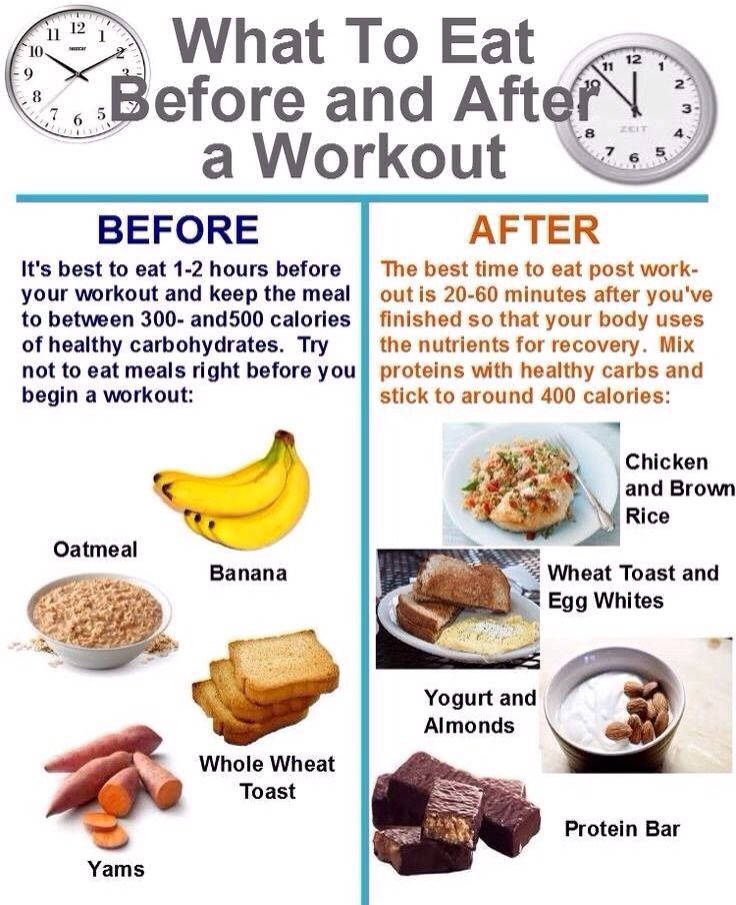
- Timing: The closer to your workout, the simpler and smaller the meal should be. A full meal 2-3 hours before allows for proper digestion, providing sustained energy. A small, easily digestible snack (like a banana or a handful of berries) 30-60 minutes prior can offer a quick energy boost without causing stomach upset.
- Composition: Focus on complex carbohydrates for sustained energy and a modest amount of lean protein. Avoid excessive fats and fiber immediately before a workout, as they slow digestion and can lead to gastrointestinal distress.
- Individual Tolerance: Everyone’s digestive system is different. Experiment to find what works best for you. Some people can handle more food closer to a workout than others.