The question often lingers in the quieter corners of our minds, a whispered query born of curiosity and perhaps a touch of wishful thinking: can the intimate dance of human connection truly count as a workout? In a world increasingly obsessed with fitness trackers, step counts, and the relentless pursuit of physical perfection, the idea that something as inherently pleasurable and deeply personal as sex might also contribute to our physical well-being holds a tantalizing appeal. Is it a legitimate calorie burner, a cardiovascular boon, or merely a delightful distraction from the gym?
For too long, the scientific community, constrained by societal taboos and the inherent complexities of studying such a private act, skirted around this fascinating intersection of biology and intimacy. But as our understanding of human health expands, encompassing not just the physical but the mental, emotional, and relational, the question of sex as exercise demands a more sophisticated, nuanced exploration. This isn’t just about counting calories; it’s about understanding the profound, multifaceted ways in which our most primal and connecting act contributes to the intricate tapestry of human vitality. Let us embark on a journey to unravel this intriguing mystery, moving beyond locker-room jokes and into the realm of science, psychology, and holistic well-being.
The Body in Motion: A Physiological Deep Dive
At its core, exercise is about putting the body in motion, engaging muscles, elevating heart rate, and increasing metabolic activity. When viewed through this lens, the act of sexual intercourse undeniably qualifies. It is a dynamic, often vigorous, activity that recruits a surprisingly broad spectrum of physiological systems.
Let’s begin with the heart, the engine of our being. Studies, albeit often limited by the ethical and practical challenges of real-world observation, have consistently shown a significant elevation in heart rate during sexual activity. Research, including some foundational work dating back to Masters and Johnson, and more contemporary analyses like those from the University of Quebec, indicates that heart rates can climb to levels comparable to moderate-intensity exercise. For men, peak heart rates during orgasm often reach 110-130 beats per minute (bpm), and for women, slightly lower but still substantial, around 100-120 bpm. In some particularly vigorous or prolonged encounters, these numbers can soar even higher, occasionally touching levels seen in more strenuous activities like jogging or swimming.
This elevated heart rate isn’t just a fleeting phenomenon; it reflects an increased demand for oxygen, prompting the respiratory system to work harder. Breathing becomes deeper and more rapid, enhancing oxygen intake and carbon dioxide expulsion. This increased oxygen consumption, or VO2, is a direct measure of metabolic expenditure. While sex is unlikely to push individuals to their VO2 max (the maximum rate of oxygen consumption), it certainly engages the aerobic system, contributing to cardiovascular fitness over time, especially if engaged in regularly and with sufficient intensity.
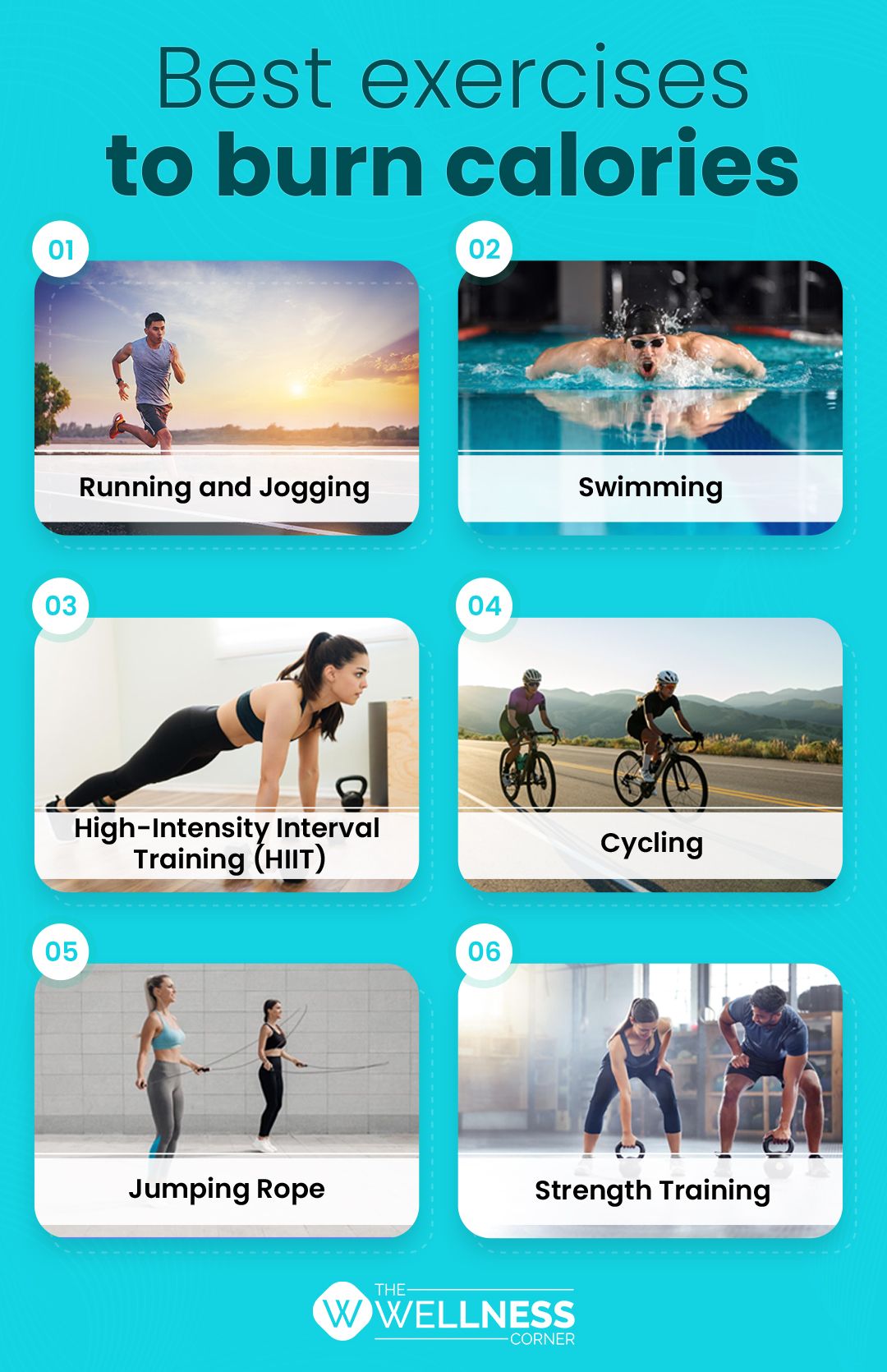
And what about the caloric burn, the metric so many fitness enthusiasts fixate upon? While the sensationalized claims of "sex burns 1,000 calories!" are wildly exaggerated, the reality is still significant. Depending on duration, intensity, and active participation, a typical sexual encounter can burn anywhere from 20 to 150 calories. For a 30-minute session, an average male might expend around 100-150 calories, while a female might burn 70-100. To put this in perspective, this is akin to a brisk walk, a light jog, or a short session of yoga. While it won’t single-handedly melt away pounds, it certainly contributes to the daily energy expenditure equation, and over time, these small increments add up.
Beyond the cardiovascular and metabolic metrics, sex is a full-body engagement. It’s not just about the obvious pelvic movements. The core muscles—the rectus abdominis, obliques, and transverse abdominis—are constantly engaged for stability, thrusting, and maintaining various positions. The gluteal muscles (glutes) and quadriceps (thighs) are heavily recruited, especially in more active positions or during sustained thrusting. The arms and shoulders can bear significant weight, particularly in positions that require support or leverage. The back muscles, both erector spinae and latissimus dorsi, work to maintain posture and facilitate movement. Even the often-overlooked pelvic floor muscles are intensely activated, playing a crucial role in sensation, orgasm, and continence.
Consider the dynamic range of motion involved: twisting, bending, arching, lifting, pushing, pulling. These movements enhance flexibility and mobility, working muscles and joints through various planes of motion. It’s a spontaneous, often uninhibited form of functional movement that mimics many exercises we perform in a gym, but with the added benefit of being intrinsically rewarding. The physiological evidence, therefore, is unequivocal: sex is, indeed, a physically demanding activity that engages multiple bodily systems, elevating heart rate, burning calories, and strengthening muscles.
The Chemical Ballet: Hormones and Neurotransmitters
But to reduce sex to mere physiological metrics would be to miss its most profound and unique contributions to human well-being. Beyond the physical exertion lies a complex neurochemical symphony that plays out in the brain and body, profoundly impacting our mental and emotional states. This chemical ballet is arguably where sex truly shines as a unique form of "exercise" for the entire human system.
During arousal and orgasm, the brain releases a potent cocktail of hormones and neurotransmitters, each playing a vital role in our experience and subsequent state of being.
Endorphins, the body’s natural opiates, surge during and after climax. These powerful neurochemicals are responsible for feelings of euphoria, pleasure, and pain relief. It’s the same chemical high experienced by runners and athletes after an intense workout, often dubbed "runner’s high." This endorphin rush not only contributes to the immediate post-coital glow but also serves as a potent stress reliever, helping to alleviate tension and promote relaxation.
Oxytocin, often dubbed the "cuddle hormone" or "bonding hormone," is released in significant quantities during orgasm and physical intimacy. This hormone plays a crucial role in fostering feelings of attachment, trust, and empathy between partners. It strengthens relational bonds, reduces social anxiety, and promotes feelings of security and well-being. In a world increasingly plagued by loneliness and disconnection, the oxytocin surge from intimacy is a powerful antidote, fostering the emotional resilience that underpins overall health.
Dopamine, the neurotransmitter associated with pleasure, reward, and motivation, is heavily involved in the anticipation and experience of sexual activity. It drives desire, intensifies pleasure, and reinforces the behavior, creating a positive feedback loop that encourages future intimacy. This dopaminergic reward system is fundamental to our enjoyment of life and our pursuit of pleasurable activities.
Serotonin, a key regulator of mood, sleep, and appetite, also experiences fluctuations. While its exact role is complex and debated, its involvement suggests a contribution to the overall sense of well-being and contentment following intimacy.
Testosterone, often thought of as a male hormone, is present in both sexes and plays a significant role in libido, energy levels, and even muscle mass. Sexual activity can lead to a temporary increase in testosterone in both men and women, which can further enhance sexual desire and overall vitality.
Prolactin, another hormone, is released after orgasm and is associated with feelings of satiety and relaxation, contributing to the post-coital sleepiness many people experience. This hormonal shift facilitates restful sleep, an often-underestimated component of physical and mental recovery.
This intricate chemical interplay does more than just make sex feel good; it actively contributes to mental resilience, emotional stability, and a profound sense of connection. It’s a holistic balm for the human spirit, a unique blend of physical exertion and neurochemical reward that few other activities can replicate.
Beyond the Sweat: Mental and Emotional Vistas
The benefits of sex as a form of "exercise" extend far beyond the physiological and chemical, delving deep into the realms of mental and emotional health, which are inextricably linked to our physical well-being.
One of the most immediate and profound benefits is stress reduction. In our high-octane modern lives, chronic stress is a silent killer, contributing to a myriad of physical ailments from heart disease to compromised immune function. Sexual activity provides a powerful release from stress. The physical exertion, the hormonal flood of endorphins and oxytocin, and the sheer act of being present and connected with another person all contribute to lowering cortisol levels, the primary stress hormone. The post-coital relaxation response is a natural tranquilizer, allowing the body and mind to unwind and recharge.
This stress reduction naturally leads to mood enhancement. The combination of dopamine, serotonin, and endorphins creates a powerful antidepressant effect. Regular, fulfilling sexual activity can alleviate symptoms of anxiety and depression, fostering a more positive outlook on life. It’s a natural mood booster that doesn’t come with side effects, apart from perhaps a deep sense of contentment.
The connection between sex and improved sleep quality is also well-documented. The release of oxytocin and prolactin after orgasm promotes relaxation and drowsiness, making it easier to fall asleep and achieve deeper, more restorative sleep cycles. Given that sleep deprivation is a widespread public health issue with far-reaching consequences, the sleep-promoting effects of sex are a significant health benefit.
Sex can also play a role in pain management. The endorphins released during intimacy act as natural analgesics, temporarily dulling pain perception. For individuals suffering from chronic pain conditions, this can provide a welcome respite and a non-pharmacological means of relief.
Furthermore, sexual intimacy profoundly impacts self-esteem and body image. Feeling desired, attractive, and capable of giving and receiving pleasure can significantly boost an individual’s confidence. This positive feedback loop—feeling good about oneself leading to more enjoyable intimacy, which in turn further enhances self-esteem—is a powerful driver of psychological well-being. It helps individuals embrace their bodies, appreciate their sensuality, and develop a healthier relationship with themselves.
Perhaps most importantly, sex is a fundamental act of intimacy and connection. In a relationship, it fosters communication, strengthens bonds, and creates a shared space of vulnerability and trust. This deep emotional connection is a cornerstone of human happiness and resilience. Research consistently shows that individuals in fulfilling relationships tend to live longer, healthier lives, and sexual intimacy is a vital component of relationship satisfaction. It’s a non-verbal dialogue, a physical manifestation of love and affection that transcends words, nurturing the very fabric of our social and emotional existence. This relational dimension is something no solo workout, no matter how intense, can ever replicate.
The Spectrum of Effort: What Makes a "Workout"?
While the general physiological and psychological benefits of sex are clear, the extent to which it functions as "exercise" is highly variable, much like any other physical activity. Not all sexual encounters are created equal in terms of caloric expenditure or muscle engagement.