The human body is a marvel of intricate engineering, a symphony of interconnected systems working in harmony. Yet, beneath the surface, hidden from plain sight and often from our conscious awareness, lies a silent, powerful, and often misunderstood group of muscles: the pelvic floor. For decades, these muscles were rarely discussed outside medical circles, and their significance largely overlooked by the general public. Then came Dr. Arnold Kegel, and with him, a quiet revolution in personal health and well-being.
But what exactly are Kegel exercises? Are they a universal panacea for all things pelvic? A simple squeeze that promises miracles? Or a nuanced practice requiring dedication and understanding? For an audience that appreciates depth and seeks knowledge beyond the superficial, the question isn’t just "what," but "why," "how," and crucially, "for whom." This isn’t a simple guide; it’s an exploration, a journey into the often-unseen core of our being, to discover if embracing the art of the Kegel is the right path for you.
The Unsung Heroes: Understanding Your Pelvic Floor
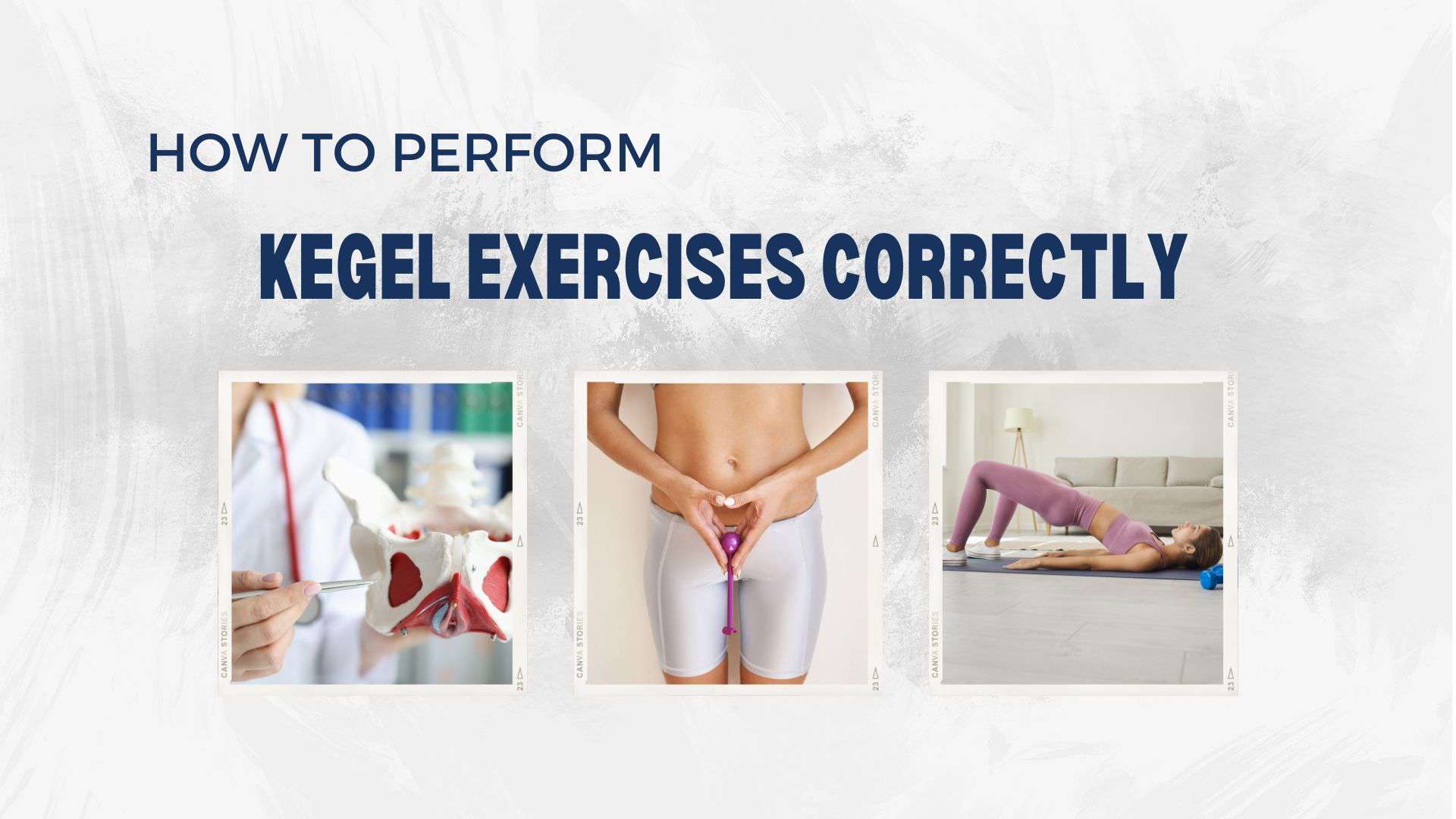
Before we dive into the exercises themselves, let’s truly understand the stage upon which they are performed. Imagine a hammock or a sling of muscles and connective tissues, stretching from your pubic bone at the front to your tailbone at the back, and from one sit bone to the other. This is your pelvic floor. It’s not a single muscle, but a complex group, primarily comprising the levator ani (which itself has three parts: pubococcygeus, puborectalis, and iliococcygeus) and the coccygeus muscles.
These muscles are the unsung heroes of your body. They perform four critical functions:
- Support: They act as a strong, resilient base, holding up your pelvic organs – the bladder, uterus (in women), and rectum – against the relentless pull of gravity and the pressures of daily life.
- Continence: They control the openings of the urethra and anus, allowing you to hold in urine, gas, and stool until it’s convenient to release them. This is their gatekeeper role.
- Sexual Function: They play a vital role in sexual sensation, arousal, and orgasm for both men and women, contributing to the intensity and satisfaction of intimate experiences.
- Stability: They work in conjunction with your deep abdominal muscles (transversus abdominis), diaphragm, and multifidus muscles to form your "inner core," providing stability for your spine and pelvis.
When these muscles are strong and function optimally, life flows smoothly. When they are weak, overactive, or uncoordinated, a cascade of issues can arise, ranging from inconvenient leaks to debilitating pain. This is where Dr. Kegel entered the scene.
Born in 1894, Dr. Arnold Kegel was an American gynecologist who, in the mid-20th century, observed a common and distressing problem among his female patients: urinary incontinence after childbirth. At a time when surgery was often the only suggested solution, Kegel pioneered a non-surgical approach. He developed a perineometer, a device to measure the strength of pelvic floor contractions, and, more importantly, a series of exercises designed to strengthen these crucial muscles. His work, published in 1948, was revolutionary, empowering individuals to regain control and dignity through a simple, yet profound, self-care practice.
The "Why": A Tapestry of Benefits
The reasons to consider Kegel exercises are as varied as the individuals who perform them. They extend far beyond the common misconception that they are solely for women struggling with incontinence. Let’s unravel the intricate tapestry of benefits.
1. Reclaiming Control: Addressing Urinary Incontinence
This is arguably the most well-known application of Kegel exercises, and for good reason. Urinary incontinence, the involuntary leakage of urine, affects millions globally, significantly impacting quality of life.
- Stress Urinary Incontinence (SUI): This is the most common type, characterized by leakage when pressure is put on the bladder – think coughing, sneezing, laughing, jumping, or lifting heavy objects. The pelvic floor muscles, when strong, act like a dam, clamping down on the urethra to prevent leakage during these moments of increased intra-abdominal pressure. Weakness or damage to these muscles means this "dam" isn’t strong enough to hold back the flow. Regular Kegel exercises strengthen these muscles, improving their ability to resist pressure and maintain continence.
- Urge Urinary Incontinence (UUI) or Overactive Bladder (OAB): This involves a sudden, intense urge to urinate that is difficult to defer, often leading to leakage. While UUI is more complex and involves nerve signals and bladder muscle overactivity, Kegels can still play a supportive role. Strengthening the pelvic floor muscles can help suppress bladder spasms and give you more time to reach a restroom. The quick, strong squeeze of a Kegel can act as a circuit breaker, sending a signal to the brain that says, "Not now, bladder!"
- Mixed Incontinence: A combination of both SUI and UUI, which often benefits from a combined approach, including Kegels.
- Post-Prostatectomy Incontinence in Men: Prostate cancer treatment, particularly prostatectomy, can damage nerves and muscles supporting the bladder, leading to SUI. Kegel exercises are a cornerstone of rehabilitation for men in this situation, helping to regain bladder control and significantly improve their quality of life.
The ability to laugh without fear, to exercise freely, to simply go about one’s day without constantly scouting for restrooms – these are not trivial gains. They represent a profound return to normalcy and a reclaiming of personal freedom.
2. Supporting the Foundation: Pelvic Organ Prolapse
Imagine your pelvic organs as delicate fruit resting in a sturdy basket. If the base of the basket weakens, the fruit begins to sag, sometimes even pushing through the bottom. This is analogous to pelvic organ prolapse (POP), a condition where one or more pelvic organs (bladder, uterus, rectum) descend from their normal position into or even out of the vaginal canal (in women).
POP can cause a feeling of heaviness or pressure in the pelvis, a bulge at the vaginal opening, discomfort during intercourse, and issues with bladder or bowel function. While severe prolapse often requires surgical intervention, Kegel exercises are invaluable for:
- Prevention: Strengthening the pelvic floor muscles helps maintain the supportive sling that holds organs in place, reducing the risk of prolapse, especially in individuals with risk factors like multiple vaginal births, chronic straining (constipation), or heavy lifting.