Height, that seemingly simple measure from head to toe, is far more than just a number on a growth chart. It is a profound, silent chronicler of human history, a deeply etched indicator of a society’s health, prosperity, and even its aspirations. Across the vast tapestry of the world, the average male height varies dramatically, telling a complex story woven from threads of genetics, nutrition, disease, socioeconomic status, and historical epochs. For the knowledgeable observer, delving into these variations reveals not just statistics, but the very pulse of human development and disparity.
While a quick search might yield a general global average of around 5 feet 9 inches (approximately 175 cm), this figure is a gross oversimplification, akin to describing the average temperature of the Earth without acknowledging the scorching deserts or the frozen poles. The truth is far more nuanced, a dynamic mosaic where the towering figures of the Netherlands stand in stark contrast to the more modest statures of nations grappling with historical challenges. To truly understand "What is the average male height worldwide?" requires embarking on a journey through geography, history, biology, and sociology, uncovering the powerful forces that shape us, quite literally, from the ground up.
The Global Panorama: A Landscape of Peaks and Valleys
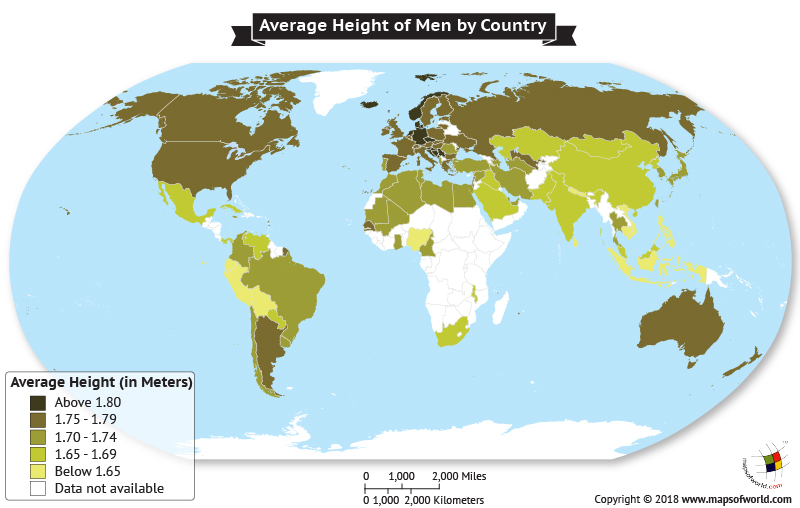
The most striking aspect of global male height is its immense variability. At one end of the spectrum, nations like the Netherlands, Montenegro, and Bosnia and Herzegovina consistently boast some of the tallest men on Earth, often averaging well over 183 cm (6 feet). Their populations frequently include a significant proportion of men exceeding 190 cm (6 feet 3 inches). On the other end, countries in Southeast Asia, parts of Latin America, and sub-Saharan Africa present averages that can be 10 to 15 cm shorter, sometimes falling below 165 cm (5 feet 5 inches). For instance, nations like Timor-Leste, Laos, and Guatemala are frequently cited as having some of the shortest average male heights globally.
This dramatic spread is not random; it’s a testament to the intricate interplay of factors that have sculpted human populations over centuries. Understanding this global panorama requires us to move beyond mere observation and delve into the underlying mechanisms that dictate human stature.
The Blueprint: Genetics and the Foundational Code
At the core of an individual’s potential height lies their genetic inheritance. It is estimated that genetics account for roughly 60-80% of an individual’s height, with hundreds of genes, each contributing a small effect, working in concert. This polygenic inheritance means there isn’t a single "height gene," but rather a complex orchestra of genetic instructions passed down through generations. Parents who are tall tend to have taller children, and vice-versa, though the range of possibilities is broad.
However, genetics alone do not tell the whole story. While a population may possess a genetic predisposition for a certain height range, this potential can only be fully realized under optimal environmental conditions. This is where the concept of "nutritional potential" comes into play. A population with the genetic capacity for tall stature may never reach it if environmental factors consistently stunt growth across generations. Conversely, populations historically shorter due to environmental constraints may exhibit an increase in height when conditions improve, as their underlying genetic potential is finally allowed to express itself more fully. This delicate balance between inherited potential and environmental realization forms the bedrock of our understanding of global height variations.
Moreover, population genetics can also contribute to regional differences. Historical migrations, genetic bottlenecks, and selective pressures over millennia can lead to variations in the frequency of certain height-associated gene variants within different ethnic groups. For example, some indigenous groups in certain regions may have evolved to be shorter, which could have been an adaptive advantage in environments with limited resources or dense forest canopies. However, even these genetic predispositions are deeply intertwined with, and often masked by, environmental influences.
The Fuel of Growth: Nutrition as the Master Sculptor
If genetics provides the blueprint, nutrition acts as the primary builder, the essential fuel that allows that blueprint to be translated into physical form. The importance of adequate nutrition, particularly during critical periods of growth – from conception through early childhood and adolescence – cannot be overstated.
Macronutrients and Micronutrients:
Sufficient intake of macronutrients (proteins, carbohydrates, and fats) is fundamental. Protein, in particular, is crucial for tissue building and repair, bone development, and the production of growth hormones. A diet rich in high-quality protein from sources like meat, fish, dairy, and legumes is a hallmark of populations achieving their full height potential.
Equally vital are micronutrients: vitamins and minerals. Calcium and Vitamin D are well-known for their role in bone health, but a host of others, including iron, zinc, iodine, and various B vitamins, are also indispensable for proper growth and development. Deficiencies in any of these can lead to stunted growth, even if caloric intake is sufficient. For instance, iron deficiency anemia can impair oxygen transport, affecting overall energy and growth, while zinc deficiency can directly impact growth hormone production.
The First 1,000 Days:
The period from conception to a child’s second birthday is a "critical window" for growth. Malnutrition during this time, whether due to insufficient food, poor quality diet, or frequent infections, can lead to irreversible stunting. A child who is stunted by age two is highly unlikely to catch up to their full genetic potential, even if nutrition improves later in life. This explains why many countries with persistently low average heights also exhibit high rates of childhood stunting. The impact of maternal nutrition during pregnancy is also paramount, directly influencing fetal growth and setting the stage for the child’s future development.
Food Security and Dietary Diversity:
Nations with higher average heights generally benefit from widespread food security, ensuring consistent access to sufficient, nutritious food for their populations. This often translates into diverse diets, rich in essential nutrients. Conversely, countries plagued by food insecurity, poverty, and reliance on staple-heavy, nutrient-poor diets often see their populations fall short of their genetic height potential. The economic capacity of a nation to import or produce diverse foodstuffs, coupled with effective distribution systems and public education on nutrition, plays a monumental role.
The Unseen Battle: Health, Disease, and Environmental Pressures
Beyond genetics and nutrition, the overall health environment significantly impacts a population’s average height. Chronic diseases, infectious illnesses, and even environmental stressors can divert vital energy and resources away from growth.
Disease Burden:
Frequent bouts of illness, especially during childhood, can severely impede growth. Diarrheal diseases, respiratory infections, malaria, and parasitic infestations force the body to expend energy fighting off pathogens, rather than investing it in growth and development. A child repeatedly sick is a child whose growth trajectory is consistently interrupted. Access to clean water, sanitation, and effective healthcare – including vaccinations and prompt treatment for common ailments – are therefore critical determinants of a population’s height. Countries with robust public health infrastructures and low rates of childhood mortality and morbidity tend to have taller populations.
Maternal and Child Health:
The health of mothers before and during pregnancy, and the quality of prenatal and postnatal care, directly affect infant health and subsequent growth. Low birth weight, often a consequence of maternal malnutrition or illness, is a significant predictor of shorter adult stature.
Environmental Pollution:
Emerging research suggests that environmental pollution, particularly air pollution, might also play a role in stunting growth, though this area requires further investigation. Exposure to toxins can place physiological stress on the body, potentially impacting developmental processes. Similarly, climate change, by impacting agricultural yields and increasing the spread of certain diseases, could indirectly affect future height trends in vulnerable populations.
The Ladder of Society: Socioeconomic Status and Educational Attainment
Height is inextricably linked to socioeconomic status (SES), serving as a powerful, albeit often unspoken, indicator of societal equity and development. Wealthier nations, and wealthier segments within nations, consistently tend to be taller. This isn’t due to some direct biological link between money and height, but rather because SES acts as a proxy for access to a cascade of height-promoting resources.
Access to Resources: