In the vast, intricate tapestry of human health, there exist ailments that announce their presence with a clarion call – a sudden fever, a debilitating pain, a visible lesion that demands immediate attention. Then there are those, far more insidious, that move like shadows, their footsteps muffled, their presence often unfelt until their silent work has wrought significant, sometimes irreversible, change. Among these stealth operatives, Chlamydia trachomatis stands as a master of disguise, a bacterial pathogen whose primary mode of operation is an eloquent, yet terrifying, silence.
To speak of the "signs and symptoms" of chlamydia is, in itself, to confront a profound paradox. For the majority of those who harbor this common sexually transmitted infection (STI), the most striking "symptom" is an utter absence of any noticeable indication. This asymptomatic nature is not merely a clinical footnote; it is the very heart of chlamydia’s epidemiological challenge, its public health burden, and the personal tragedies it often precipitates. For the knowledgeable audience, understanding chlamydia requires moving beyond a simple checklist of manifestations and delving into the biological theatre where this bacterium performs its silent, often devastating, symphony.
The Insidious Nature of Asymptomatic Infection: Chlamydia’s Masterstroke
Before we embark on the exploration of specific signs and symptoms, it is crucial to establish the foundational truth: an estimated 70-80% of women and 50% of men with chlamydial infection experience no symptoms at all. This isn’t merely a statistical anomaly; it’s a testament to the bacterium’s evolutionary brilliance. Chlamydia trachomatis is an obligate intracellular parasite, meaning it can only replicate within the host’s living cells. This unique life cycle allows it to evade certain immune responses, establishing a persistent, low-grade infection that often fails to trigger the acute inflammatory cascades that typically produce overt symptoms.
Imagine a microscopic stealth operative, infiltrating the delicate mucosal linings of the genital tract, the rectum, or the pharynx. It sets up its replication machinery within the host cells, slowly expanding its numbers without raising the alarm. The body’s immune system, if it detects the invader at all, may mount a response that is too subtle to manifest as conscious symptoms, or the infection may simply not reach a threshold of tissue damage sufficient to cause noticeable discomfort or visible signs. This prolonged, unaddressed presence is what allows chlamydia to progress from a benign-seeming infection to a silent saboteur of reproductive health.
The incubation period for symptomatic infection typically ranges from 1 to 3 weeks, but can be longer. However, given the high rate of asymptomatic carriage, many individuals may harbor the bacteria for months or even years without ever developing acute symptoms, unknowingly transmitting it to partners and silently accumulating the potential for long-term complications. This silent spread is the narrative arc of chlamydia, a story of hidden danger and unforeseen consequences.
The Whispers Begin: Symptomatic Manifestations Across Genders and Sites
While silence is the prevailing theme, chlamydia does, on occasion, break its cover, manifesting in a variety of ways that can range from mild annoyance to severe acute illness. The presentation of symptoms depends heavily on the site of infection and the host’s immune response.
In Women: A Labyrinth of Subtle Clues and Ominous Omens
For women, the primary site of infection is the cervix (cervicitis), followed by the urethra (urethritis). The symptoms, when present, are often non-specific and easily mistaken for other, less serious conditions, or simply dismissed as minor irritations.
-
Cervicitis:
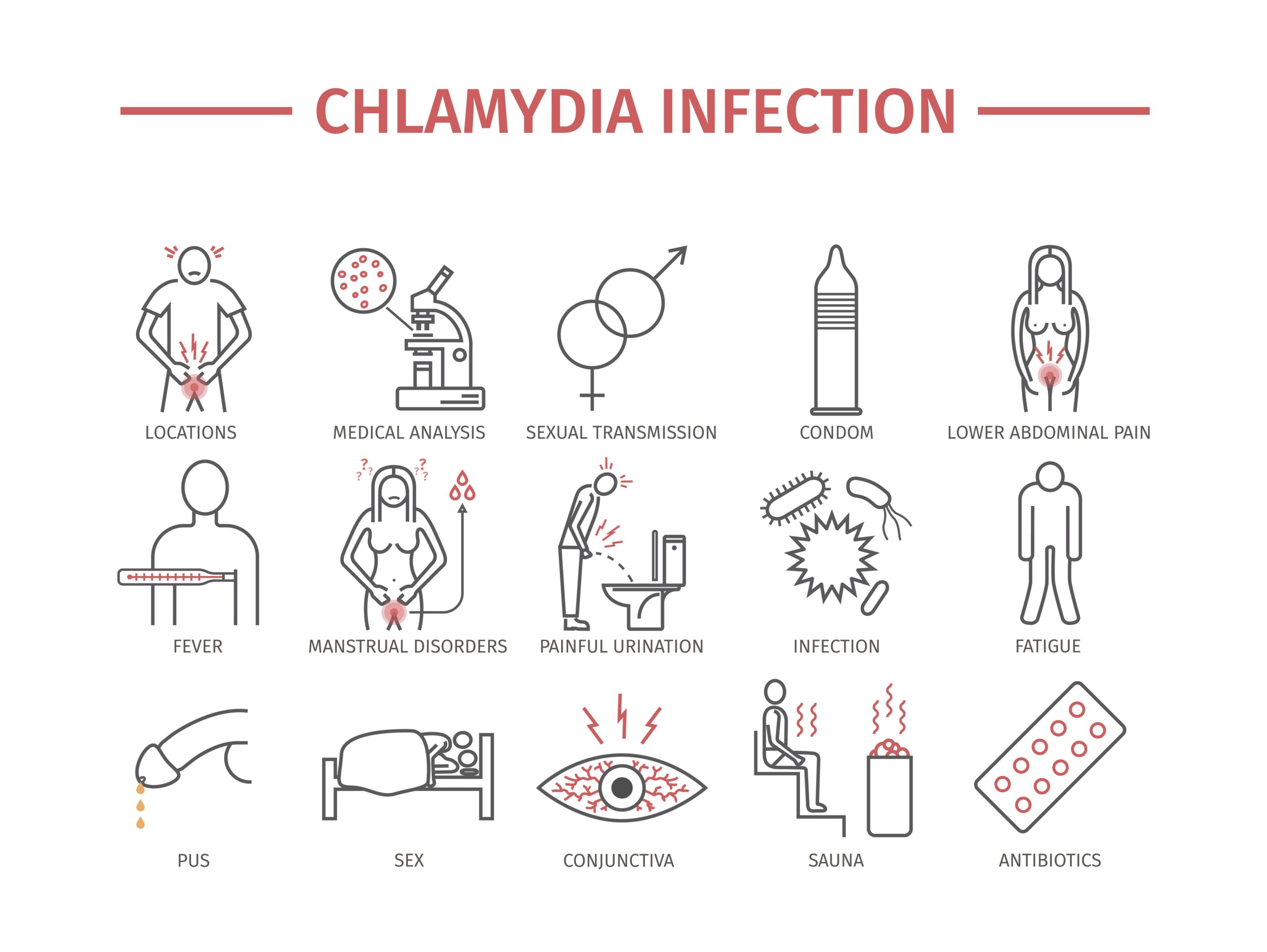
- Vaginal Discharge: This is perhaps the most common symptomatic manifestation, though often subtle. The discharge may be mucopurulent (containing mucus and pus), yellowish, or cloudy. However, it can also be thin, clear, or even absent. The discharge might have a mild odor, but it’s rarely as strong or distinct as in bacterial vaginosis or trichomoniasis. Crucially, many women experience physiological variations in discharge, making it easy to overlook a chlamydial origin.
- Intermenstrual or Post-Coital Bleeding: Inflammation of the cervical tissues can make them friable (easily irritated), leading to light bleeding between periods or after sexual intercourse. This symptom often prompts a visit to a gynecologist, offering a crucial window for diagnosis.
- Dysuria: Pain or burning during urination can occur if the infection has spread to the urethra. This is frequently misdiagnosed as a urinary tract infection (UTI), leading to inappropriate antibiotic treatment that fails to eradicate chlamydia.
- Lower Abdominal Pain/Discomfort: A vague, mild ache in the lower abdomen can be a sign of cervical inflammation or the early stages of ascending infection. This is often dismissed as menstrual cramps or digestive upset.
-
Urethritis:
- Dysuria: As mentioned, this is the hallmark symptom, often accompanied by increased urinary frequency and urgency.
- Vaginal Discharge: Less common directly from urethritis, but can be present due to co-occurring cervicitis.