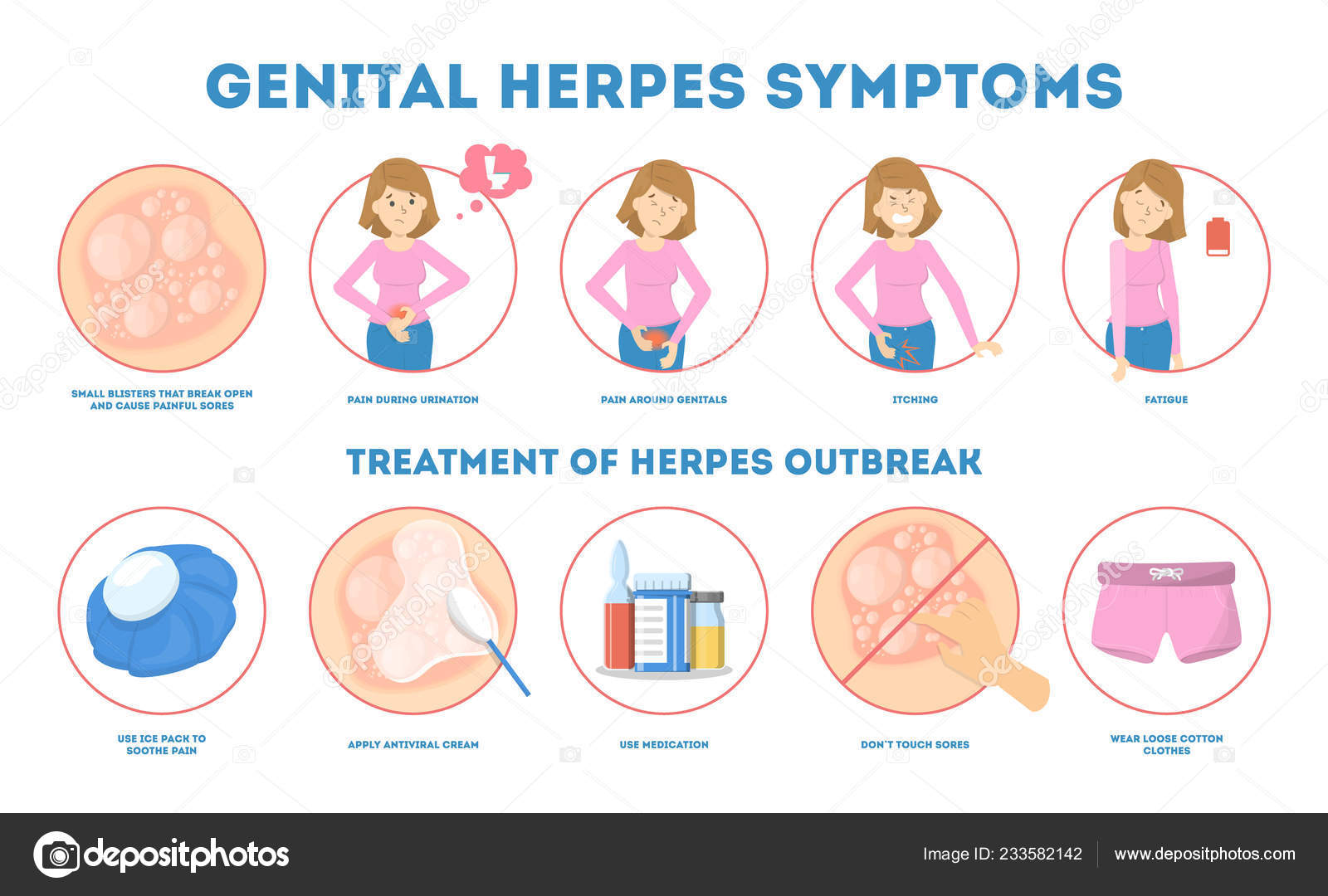
The human body is a masterful storyteller, often communicating its truths through subtle whispers before erupting into undeniable shouts. In the realm of sexually transmitted infections, few narratives are as complex, as stigmatized, and as profoundly misunderstood as that of genital herpes. This article embarks on a journey to unravel the intricate tapestry of its signs and symptoms, not merely as a medical catalog, but as a narrative – a story of viral cunning, human vulnerability, and the profound impact on those who live with its presence. For the knowledgeable audience, we delve beyond the surface, exploring the nuances, the silent chapters, and the often-unseen struggles inherent in this common viral encounter.
The Unseen Prologue: Understanding the Viral Antagonist
Before we dive into the physical manifestations, it’s crucial to understand the main character of our story: the Herpes Simplex Virus (HSV). Primarily, we’re concerned with HSV-2, the dominant cause of genital herpes, though HSV-1 (traditionally associated with oral cold sores) is increasingly implicated in genital infections, particularly among younger populations.
HSV is a neurotropic virus, meaning it has a predilection for nerve cells. Upon initial infection, it travels along sensory nerves to a cluster of nerve cells called ganglia – specifically, the sacral ganglia for genital herpes. Here, it establishes latency, a dormant state where it lies in wait, integrated into the host’s DNA, for potentially decades. This latency is the critical prelude to every subsequent chapter of symptoms.
Reactivation, the awakening of the dormant virus, is the engine driving recurrent symptoms. Various triggers – stress, illness, friction, hormonal changes (like menstruation), fatigue, or even UV light exposure – can prompt the virus to travel back down the nerve pathways to the skin or mucosal surface, leading to the characteristic lesions. This cyclical journey from latency to lytic replication and back is the recurring motif in the herpes story.
Chapter 1: The Primary Infection – A Tempest Unveiled
For many, the first encounter with genital herpes is the most dramatic and often the most severe chapter. This primary infection, occurring roughly 2 to 12 days after exposure, is when the immune system first confronts a novel viral threat, mounting a vigorous, often overwhelming, response.
The Prodromal Overture: The Body’s First Whispers
Before any visible lesions appear, the body often offers a series of subtle, yet significant, warnings. This prodromal phase is a critical diagnostic clue for the knowledgeable observer. It represents the virus reactivating and traveling down the nerve. Patients often describe:
- Localized Sensations: An inexplicable tingling, itching, burning, or throbbing sensation in the genital or perianal area, or even radiating down the buttocks or thighs. This is often focused on the exact spot where lesions will subsequently emerge. It’s an internal tremor preceding the earthquake.
- Pain or Discomfort: A dull ache, tenderness, or a feeling of rawness that seems to emanate from beneath the skin, even when no visible signs are present.
- Neuralgia: More intense, nerve-like pain, sometimes described as shooting or stabbing, reflecting the viral journey along the sensory nerves.
These prodromal symptoms can last from a few hours to a day or two and are often the most reliable predictor of an impending outbreak. For individuals experiencing their first infection, these sensations might be confusing; for those with recurrent herpes, they become a familiar, unwelcome prelude.
The Visible Narrative: Lesions Emerge
The hallmark of genital herpes is, of course, the lesions themselves. Their evolution is a characteristic progression, a visual narrative that physicians learn to decipher:
- Papules: The story begins with small, red bumps or papules. These are often tender to the touch and signal the initial inflammation and viral replication at the skin surface. They might be mistaken for insect bites, folliculitis, or even ingrown hairs, particularly if isolated.
- Vesicles: Within hours to a day, these papules transform into vesicles – small, fluid-filled blisters. These are typically clear or yellowish and appear in clusters on an erythematous (red) base. The fluid within these vesicles is highly infectious, teeming with viral particles. They are fragile and often rupture easily.
- Pustules: The clear fluid in the vesicles may become cloudy, turning into pustules, indicating a secondary bacterial infection or simply a more intense inflammatory response.
- Ulcers: As the vesicles rupture, they leave behind painful, shallow, open sores or ulcers. These ulcers are typically round or oval, with a red base, and may ooze clear or yellowish fluid. They are exquisitely tender and can be numerous, often coalescing into larger, irregular lesions, particularly during a primary outbreak. This is the most painful stage, often causing significant distress.
- Crusting and Healing: Over several days, the ulcers begin to dry, forming scabs or crusts. As healing progresses, the crusts fall off, leaving behind new, often pinkish, skin. Scarring is rare unless secondary bacterial infection is severe or the lesions are repeatedly traumatized.
Anatomical Locations: Where the Story Unfolds
The location of these lesions is crucial for diagnosis and understanding transmission:
- Females: Labia majora and minora, vaginal introitus, clitoris, perineum, perianal area, buttocks, inner thighs. Internal lesions on the cervix or within the vagina are common but may go unnoticed without examination, contributing to the "silent" aspect of the disease.
- Males: Glans penis, shaft of the penis, scrotum, perineum, perianal area, buttocks, inner thighs. Lesions within the urethra, though less common, can lead to symptoms like dysuria.