The soft glow of the bedside lamp casts long shadows across the room. A gentle breeze whispers through an open window, carrying the scent of night-blooming jasmine. The stage is set for intimacy, for connection, for the delicate dance of two souls intertwining. Yet, for countless individuals, this very stage becomes a crucible, a performance arena where an unwelcome, invisible guest lurks in the wings: Sexual Performance Anxiety (SPA).
It’s a sensation many recognize but few openly discuss – a tightening in the chest, a racing heart that isn’t from passion, a mind that suddenly becomes a relentless critic, dissecting every touch, every breath, every anticipated move. The moment meant for surrender transforms into an internal battleground, a fight against the very body and mind that should be yielding to pleasure. This isn’t just a fleeting moment of nerves; for those grappling with SPA, it’s a recurring, often debilitating narrative that can erode self-worth, strain relationships, and cast a long shadow over one of life’s most profound human experiences.
This article delves into the intricate world of sexual performance anxiety, moving beyond the simplistic understanding to explore its multifaceted nature. We will embark on a journey to understand what SPA truly is, how it manifests, the myriad factors that fuel its fire, and crucially, how one can reclaim their sexual narrative, moving from a place of fear and self-doubt to one of presence, pleasure, and genuine connection. For the knowledgeable audience, we aim to offer not just information, but insight, empathy, and a comprehensive roadmap towards understanding and healing.
The Unspoken Weight: What Exactly is Sexual Performance Anxiety?
At its core, Sexual Performance Anxiety is a pervasive and often paralyzing fear of failing to meet perceived expectations during sexual activity. It’s a hyper-awareness of one’s own sexual adequacy, coupled with an intense apprehension about a partner’s judgment or disappointment. This isn’t merely the occasional pre-date jitters or a one-off "off night" in the bedroom; SPA is characterized by a persistent, intrusive pattern of worry and self-consciousness that actively interferes with arousal, enjoyment, and ultimately, sexual function.
Imagine standing on a stage, spotlights glaring, a demanding audience watching your every move. Now, imagine that stage is your own bedroom, and the audience is not just your partner, but an even more unforgiving critic: your own mind. This is the lived experience of SPA. The pressure to "perform" overshadows the natural ebb and flow of desire, transforming intimacy into a task, a test to be passed.
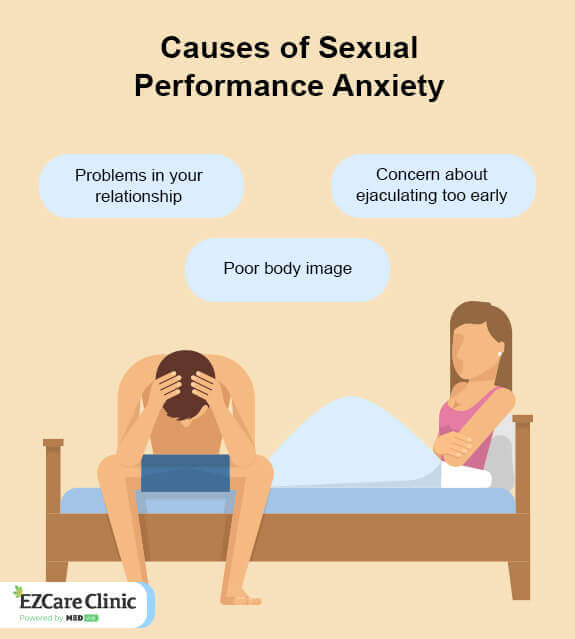
For men, SPA often manifests as a fear of erectile dysfunction (ED) or premature ejaculation (PE). The internal monologue might sound like this: "What if I can’t get hard? What if I lose it? What if I come too quickly?" This fear, paradoxically, triggers the very physiological responses (vasoconstriction, sympathetic nervous system activation) that make achieving and maintaining an erection or delaying ejaculation more difficult. It’s a self-fulfilling prophecy, a vicious cycle where the anxiety about failure directly contributes to the failure itself.
For women, SPA can be equally debilitating, though its manifestations might be less overtly discussed. The fear can revolve around difficulty achieving arousal, inability to orgasm, vaginal dryness, or body image concerns. "Am I attractive enough? Will he find me desirable? What if I don’t feel anything? What if I can’t ‘get there’?" These anxieties lead to a psychological disconnect, making it difficult for the mind and body to relax and respond to sexual stimuli. The focus shifts from sensual pleasure to the pressure of "producing" a desired sexual response, turning an act of intimacy into a performance review.
What distinguishes SPA from general anxiety is its specific context. While a person might experience anxiety in other areas of life, SPA specifically targets the sexual realm, often leaving other domains untouched. It’s a highly personal and isolating form of anxiety, as societal taboos around discussing sex openly mean that many suffer in silence, believing they are uniquely flawed.
The Manifestations: A Symphony of Symptoms
Sexual performance anxiety doesn’t always announce itself with a trumpet blast. Often, it begins as a whisper, a fleeting thought, before growing into a cacophony of physical, emotional, and behavioral symptoms that disrupt the natural rhythm of sexual intimacy. Recognizing these symptoms is the first step towards acknowledging the invisible guest.
Physical Symptoms: These are often the most immediate and distressing indicators, representing the body’s "fight or flight" response kicking into overdrive.
- Erectile Dysfunction (ED) in Men: The classic and most commonly recognized symptom. Despite adequate stimulation, the inability to achieve or maintain an erection firm enough for satisfactory intercourse. This is often situational, occurring only with certain partners or under specific circumstances, differentiating it from purely physiological ED.
- Premature Ejaculation (PE) in Men: The inability to control ejaculation, leading to climax sooner than desired. The anxiety of "coming too quickly" can itself trigger the sympathetic nervous system, making control even harder.
- Arousal Difficulties in Women: This can manifest as difficulty achieving or maintaining clitoral engorgement, reduced vaginal lubrication, or a general feeling of being "shut down" physically, despite a desire for intimacy.
- Anorgasmia in Women: The inability to achieve orgasm, or significantly delayed orgasm, often linked to the mental distraction and tension caused by anxiety.
- Muscle Tension: A pervasive tightness in the body, particularly in the shoulders, neck, and pelvic floor, hindering relaxation and natural movement.
- Rapid Heart Rate and Shortness of Breath: The body’s adrenaline response, mimicking symptoms of panic.
- Sweating and Trembling: Again, signs of the body preparing for a perceived threat.
- Gastrointestinal Distress: Nausea, "butterflies in the stomach," or an upset stomach, as anxiety often impacts the digestive system.
- Headaches: Tension headaches can be a byproduct of sustained anxiety.
Psychological and Emotional Symptoms: These are the internal experiences that fuel the physical manifestations and contribute to the cycle of anxiety.
- Intrusive Negative Thoughts: A constant barrage of self-critical thoughts: "I’m not good enough," "They’ll be disappointed," "This is going to be a disaster."
- Self-Doubt and Low Self-Esteem: A profound sense of inadequacy regarding one’s sexual capabilities and desirability.
- Fear of Judgment: Intense worry about how one’s partner perceives their performance, body, or sexual response.
- Shame and Guilt: Feelings of embarrassment or culpability for not being able to "perform" or enjoy sex as expected.