In the quiet chambers of men’s health, a silent symphony plays out daily, largely unacknowledged until one of its vital instruments falters. This symphony is the intricate dance of blood flow, a physiological marvel that underpins not just physical prowess but also confidence, intimacy, and overall well-being. For men, few aspects of this circulatory ballet are as critical, or as emotionally charged, as the flow of blood to the penis. It is the very essence of erectile function, a testament to the body’s magnificent capacity for life and pleasure.
Yet, in our modern world, this crucial aspect of male vitality often finds itself under siege. Stress, sedentary lifestyles, poor dietary choices, and environmental toxins conspire to narrow the very arteries meant to surge with life-giving blood. The result is often a gradual decline in erectile quality, a subtle erosion of a fundamental male function that, while rarely discussed openly, casts a long shadow over a man’s sense of self.
But what if the path to reclaiming this vital flow didn’t lie solely in pharmaceutical interventions, but in a return to nature’s wisdom? What if the power to revitalize these unseen rivers resided within the very choices we make each day, the rhythms we establish, and the nourishment we provide our bodies? This is not merely about addressing a symptom; it’s about embarking on a holistic journey, a narrative of self-empowerment where the body’s innate capacity for healing and regeneration is harnessed.
For the knowledgeable individual, understanding the intricate mechanisms at play is paramount. Penile erection is a complex neurovascular event, initiated by sexual stimulation that triggers the release of nitric oxide (NO) from nerve endings and endothelial cells within the penis. NO, a potent vasodilator, signals the smooth muscles in the penile arteries and the corpora cavernosa (the two main erectile chambers) to relax. This relaxation allows blood to rush into these chambers, compressing the veins that would normally drain blood, thus trapping it and leading to rigidity. Any disruption in this delicate cascade – be it endothelial damage, impaired NO production, arterial stiffness, or venous leakage – can compromise erectile quality.
The good news is that many of these disruptions are not irreversible. They are often echoes of our lifestyle choices, and by consciously altering these choices, we can profoundly impact the health of our vascular system, and by extension, our penile blood flow. This article will explore seven powerful, natural ways to boost this essential circulation, not as quick fixes, but as foundational pillars of a life lived with greater vitality and resilience. Consider this your guide to becoming the architect of your own vascular health, empowering you to tell a new story of sustained vigor and intimate connection.
1. The Rhythmic Pulse: Embracing Cardiovascular Exercise
Imagine the heart as a mighty pump, diligently pushing life-giving fluid through miles of intricate tubing. Now, imagine that tubing becoming stiff, narrowed, or clogged. The pump has to work harder, and the flow diminishes, especially to the furthest reaches of the system. This is a simplified, yet accurate, metaphor for what happens to our vascular system, including the penile arteries, when we neglect cardiovascular health.
The Story of Vascular Resilience: Cardiovascular exercise is perhaps the single most potent natural intervention for enhancing blood flow throughout the entire body, and the penis is no exception. For the knowledgeable, the magic lies in several interconnected physiological adaptations. Regular aerobic activity, such as brisk walking, jogging, swimming, cycling, or high-intensity interval training (HIIT), acts as a direct training regimen for your blood vessels.
Firstly, it significantly improves endothelial function. The endothelium is the delicate inner lining of your blood vessels, and its health is paramount for producing nitric oxide (NO). When you exercise, the increased shear stress (the friction of blood against the vessel walls) stimulates endothelial cells to produce more NO. This makes your arteries more pliable, allowing them to dilate more effectively when needed – a crucial step for achieving and maintaining an erection. Think of it as making the "NO factory" within your arteries more efficient and productive.
Secondly, consistent cardiovascular exercise helps to reduce arterial stiffness and lower blood pressure. High blood pressure is a silent killer of endothelial cells and a major contributor to erectile dysfunction (ED), as it damages the delicate vessels that supply the penis. By lowering blood pressure, exercise alleviates this constant stress on the arterial walls, allowing them to function optimally. It also helps to prevent the buildup of plaque (atherosclerosis), which can physically obstruct blood flow to the penis. The penile arteries are among the smallest in the body, making them early indicators of systemic vascular problems. What’s good for your heart is, unequivocally, good for your penis.
Moreover, exercise enhances angiogenesis, the formation of new blood vessels. While this is a long-term adaptation, it suggests that consistent physical activity can actually create more pathways for blood to reach the penis, offering a degree of circulatory redundancy.
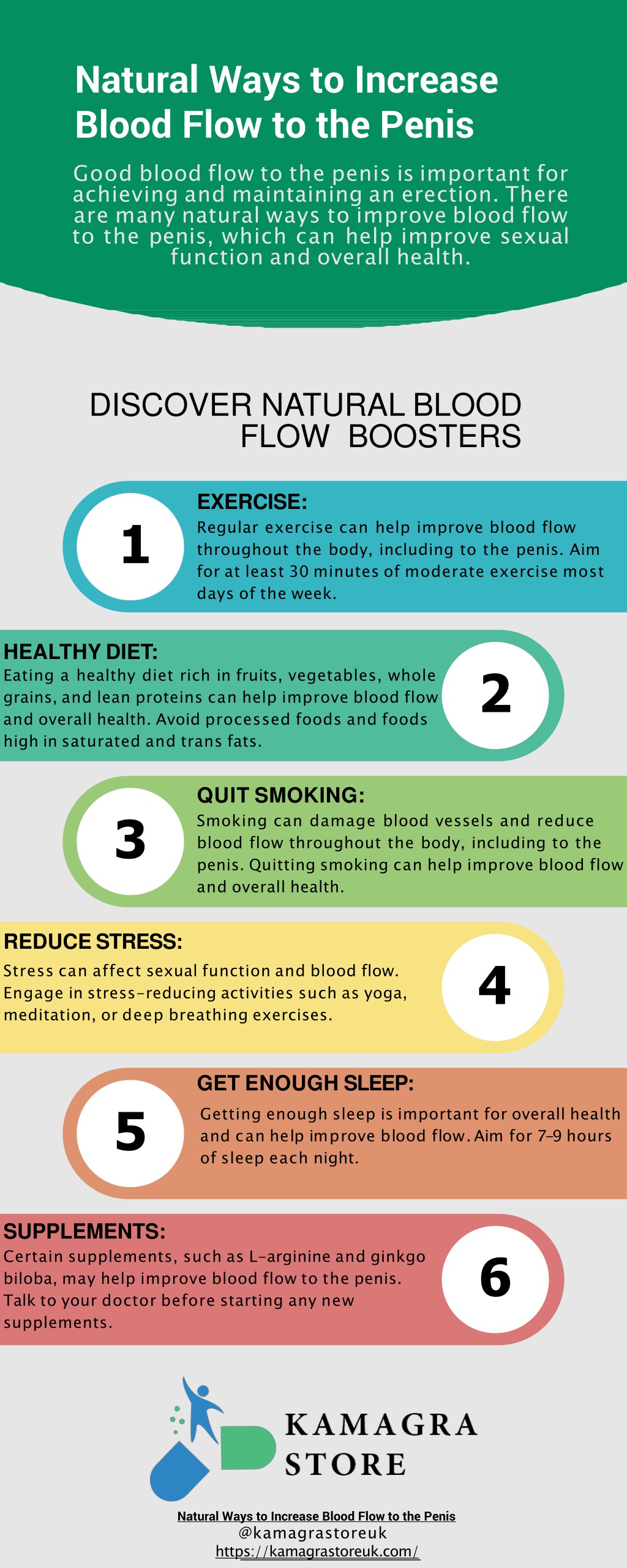
Practical Application: Aim for at least 150 minutes of moderate-intensity aerobic exercise or 75 minutes of vigorous-intensity exercise per week, spread across most days. This isn’t about becoming an elite athlete; it’s about consistent movement that elevates your heart rate and makes you slightly breathless. Even incorporating short bursts of activity, like walking during lunch breaks or taking the stairs, contributes to this cumulative benefit. The story here is one of proactive maintenance, of treating your circulatory system with the respect it deserves, and in doing so, unlocking its full potential.
2. The Nutrient-Rich Stream: Optimizing Your Diet for Vascular Health
If cardiovascular exercise is the training for your circulatory system, then your diet is the fuel and the building blocks. Just as a river needs clean, nutrient-rich water to flow freely and sustain life along its banks, your blood vessels require specific nutrients to maintain their integrity, flexibility, and ability to produce vital compounds like nitric oxide. For the knowledgeable individual, understanding the biochemical pathways influenced by diet reveals a powerful strategy for enhancing penile blood flow.
The Story of Cellular Nourishment: Our dietary choices directly impact the health of our endothelium, the inflammation levels in our body, and the availability of precursors for nitric oxide synthesis. A diet rich in whole, unprocessed foods acts as a powerful anti-inflammatory and antioxidant agent, protecting the delicate vascular lining from damage caused by free radicals and chronic inflammation – both major contributors to ED.
Key Dietary Players:
- Nitrate-Rich Vegetables: This is a cornerstone. Foods like beets, leafy greens (spinach, arugula, kale), celery, and radishes are natural powerhouses of dietary nitrates. When consumed, these nitrates are converted by oral bacteria into nitrites, which are then further converted into nitric oxide in the body, particularly in oxygen-poor environments. This provides a direct, natural pathway to increased vasodilation. Think of these foods as natural NO boosters, priming your vessels for optimal expansion.
- Antioxidants: Berries (blueberries, raspberries), dark chocolate, colorful fruits and vegetables, and green tea are packed with antioxidants like flavonoids, polyphenols, and vitamin C. These compounds combat oxidative stress, which damages endothelial cells and reduces NO bioavailability. By neutralizing free radicals, antioxidants preserve the integrity of your blood vessels, ensuring they can respond effectively to signals for vasodilation.
- Omega-3 Fatty Acids: Found in fatty fish (salmon, mackerel, sardines), flaxseeds, chia seeds, and walnuts, Omega-3s are powerful anti-inflammatory agents. They help to reduce systemic inflammation, which is a key driver of endothelial dysfunction and atherosclerosis. By calming the inflammatory storm, Omega-3s promote a healthier, more responsive vascular environment.
- L-Arginine and L-Citrulline: These amino acids are direct precursors to nitric oxide. L-arginine is found in nuts, seeds, legumes, and lean meats. L-citrulline, found abundantly in watermelon, is converted to L-arginine in the kidneys, offering an even more efficient pathway to NO production, as it bypasses some of the metabolic breakdown that L-arginine undergoes. Incorporating these foods provides the raw materials your body needs for robust NO synthesis.
- Zinc and Magnesium: These essential minerals play roles in testosterone production (zinc) and muscle relaxation (magnesium), both indirectly supporting erectile function. Zinc is found in oysters, pumpkin seeds, and lean beef; magnesium in dark chocolate, nuts, and leafy greens.
What to Limit/Avoid: Just as important as what you put in your body is what you keep out. Processed foods, excessive sugar, trans fats, and saturated fats contribute to inflammation, oxidative stress, and arterial plaque formation, all of which directly impede healthy blood flow.
Practical Application: Adopt a "Mediterranean-style" diet focusing on whole foods, lean proteins, healthy fats, and an abundance of fruits and vegetables. Make conscious choices to include nitrate-rich foods daily. The story here is one of meticulous care, of feeding your body the precise elements it needs to build strong, flexible, and responsive blood vessels, ensuring the flow to your penis remains a powerful, life-affirming current.