We often think of our bones as static, unchanging pillars that simply hold us upright. They are the silent architects of our form, the sturdy framework beneath our skin and muscle. Yet, this perception is far from the truth. Far from being inert, our bones are dynamic, living tissues, constantly remodeling, responding, and adapting to the forces we impose upon them. This incredible capacity for adaptation is the very cornerstone of bone density improvement, a journey we can actively embark on to sculpt a stronger, more resilient skeleton.
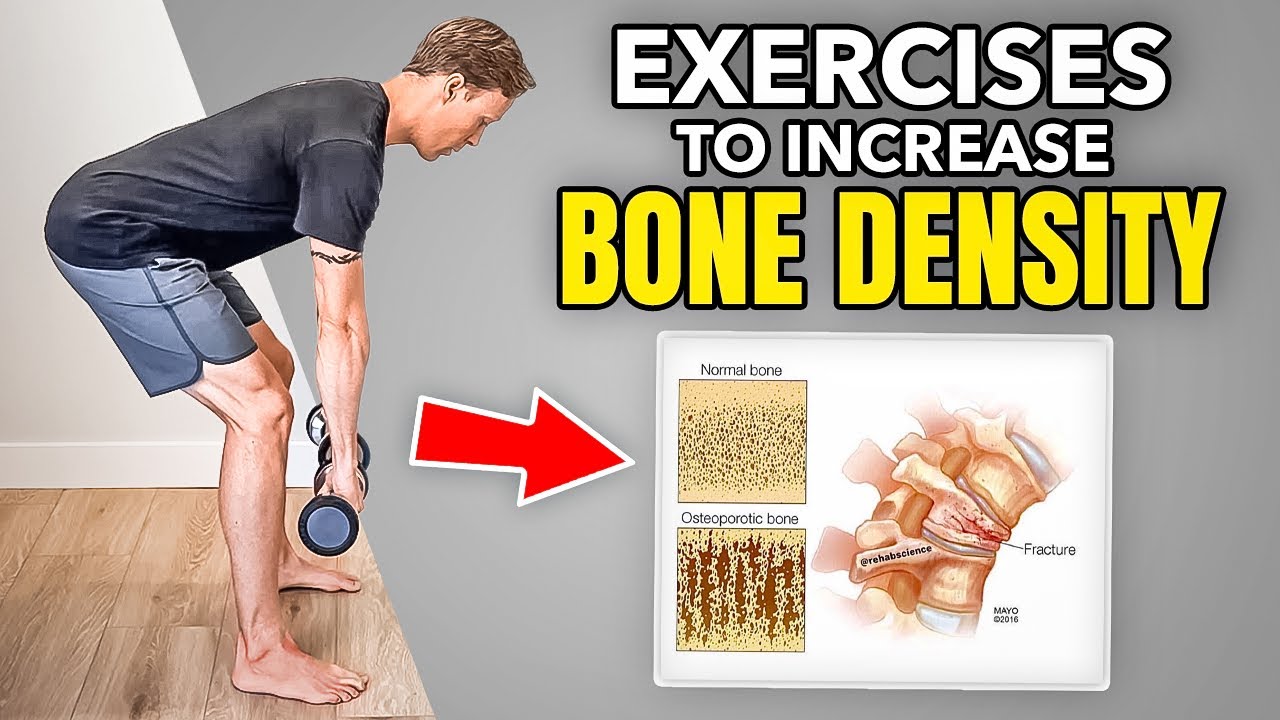
Imagine a grand old library, its shelves laden with the wisdom of ages. If no one ever visited, if no new books were added, dust would settle, structures would weaken, and eventually, the library’s purpose would diminish. Our bones are much the same. Without the "visitors" – the stresses and strains of physical activity – they begin to deconstruct themselves, a process known as resorption, where old bone is broken down faster than new bone is built. This silent architectural decay can lead to osteoporosis, a condition that transforms our once-sturdy framework into a fragile lattice, vulnerable to fractures that can dramatically alter the course of life.
But here’s the empowering truth: just as a sculptor chips away at marble to reveal a masterpiece, we can actively shape and strengthen our bones through specific, targeted movements. This isn’t about halting the natural aging process entirely; it’s about optimizing it, ensuring our bones remain robust, capable, and ready for whatever life throws our way. For the knowledgeable audience, the science behind this is fascinating: Wolff’s Law, proposed in the 19th century, posits that bone in a healthy person or animal will adapt to the loads under which it is placed. This mechanotransduction – the process by which cells sense and respond to mechanical stimuli – is what drives osteoblasts (bone-building cells) to lay down new bone tissue, increasing bone mineral density (BMD) and improving bone architecture.
This article is your guide, a narrative exploration into five pivotal exercises that, when integrated thoughtfully into your routine, can significantly improve your bone density. It’s a story of empowerment, of understanding the unseen architecture beneath your skin, and of taking proactive steps to ensure your foundation remains unshakable.
1. The Power of Impact: Jumping and Plyometrics – Sending Signals to Build
Our bones thrive on impact. Think of a blacksmith hammering metal; each strike strengthens and reshapes the material. Similarly, controlled, rhythmic impacts send potent signals through our skeletal system, telling our bones to fortify themselves. This is where jumping and plyometric exercises shine, acting as powerful osteogenic stimuli.
The Story of the Osteoblast’s Call: Imagine your bone cells, the osteoblasts, waiting for instructions. When you land from a jump, a sudden, high-magnitude stress wave propagates through your bones. This isn’t a damaging force; it’s a precisely calibrated signal. The osteoblasts perceive this mechanical stress as a call to action, prompting them to increase their activity, deposit more calcium and other minerals, and create a denser, more robust bone matrix. This type of loading is particularly effective because it’s high intensity but short duration, mimicking the forces our ancestors encountered in hunting, gathering, and escaping predators.
Why it Works for Bones:
- High Strain Rate: Plyometrics involve rapid stretching and contracting of muscles, generating forces that translate into high strain rates on bones. This rapid loading is more effective for bone adaptation than slower, sustained loads.
- Peak Ground Reaction Forces: The moment of impact during a jump creates significant ground reaction forces that travel up through the skeleton, directly stimulating bone remodeling in the hips, spine, and lower limbs.
- Targeted Stimulation: Exercises like jumping specifically target weight-bearing bones, which are most susceptible to density loss.
How to Incorporate (The Practical Narrative):
Start small, especially if you’re new to impact training or have concerns about joint health. Begin with low-level jumps:
- Ankle Hops: Stand tall, feet hip-width apart. Gently hop up and down, barely lifting your feet off the ground, focusing on a springy ankle action. Aim for 3 sets of 15-20 repetitions.
- Box Jumps (Low Box): Step onto a sturdy low box, then step back down. As you gain confidence, progress to gently jumping onto the box, focusing on a soft, controlled landing. The landing is key for bone stimulation.
- Jump Squats: Perform a regular squat, then explode upwards into a jump, landing softly back into a squat.
- Skipping/Jump Rope: A fantastic, rhythmic way to introduce impact. Vary your speed and intensity.
Progression (Building the Narrative): As your bones and muscles adapt, gradually increase the height of your jumps, the number of repetitions, or the complexity of the movements. Think about short bursts of activity – 10-20 jumps several times a day can be more effective than one long session. Remember to prioritize proper landing mechanics to absorb the impact safely. The goal is controlled, purposeful impact, not jarring stress.
2. The Architect’s Blueprint: Progressive Resistance Training – Pulling Bones into Strength
While impact loads are like sudden, powerful signals, resistance training is like a sustained, deliberate conversation with your bones. Every time a muscle contracts, it pulls on its attachment points on the bone. This constant, albeit varied, tension and compression throughout the full range of motion sends another crucial message: "Strengthen here, make this attachment point more robust." Progressive resistance training, often associated with weightlifting, is unparalleled in its ability to build both muscle mass and bone density across the entire skeletal system.
The Story of the Muscle-Bone Dialogue: Imagine your muscles and bones in a constant, intricate dance. As your muscles grow stronger, they exert greater force. Your bones, in their wisdom, respond by thickening and strengthening at the points of attachment, and throughout their structure, to withstand these increased demands. This isn’t just about direct compression; it’s about the systemic effect of loading the entire musculoskeletal unit. The body is an integrated system, and strengthening one part often has ripple effects on others.
Why it Works for Bones:
- Direct Stress: Lifting weights directly loads bones in multiple planes, stimulating both cortical (outer layer) and trabecular (spongy inner layer) bone.
- Muscle Pull: The strong contractions of muscles during resistance exercises create tension on tendons, which pull on bones, stimulating osteogenesis at the periosteum (the outer membrane of bone).