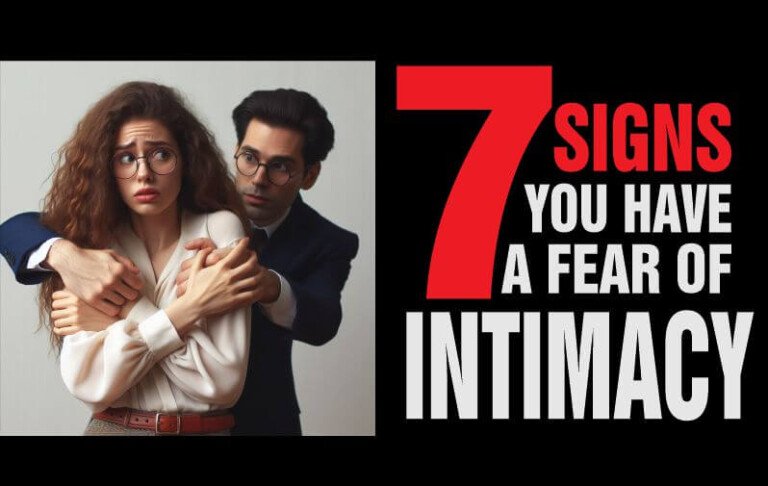
We are, at our core, creatures of connection. From the first cry of a newborn seeking comfort to the quiet solace of an elderly couple holding hands, the desire for intimacy—for deep, meaningful connection—is a fundamental human drive. Yet, paradoxically, for many, this very desire is overshadowed by a profound and often unconscious fear. It’s a fear that manifests not as a sudden jolt of terror, but as a subtle, pervasive unease, a constant whisper that keeps others at arm’s length, even when our hearts yearn to draw them close.
This isn’t merely about physical closeness; intimacy, in its truest sense, is a tapestry woven from emotional vulnerability, intellectual resonance, shared experiences, and a mutual sense of trust and acceptance. It’s the courage to be seen, truly seen, with all our imperfections and complexities, and to reciprocate that gaze without flinching. For those who harbor a fear of intimacy, this landscape of authentic connection can feel like a treacherous, uncharted wilderness.
This article is an invitation to embark on a journey of self-discovery, to understand the subtle yet powerful ways this fear might be shaping your relationships and your life. It’s a story of recognition, of peeling back layers, and ultimately, of empowerment. We will explore seven common signs that suggest intimacy phobia might be at play, delve into the deeper roots of this apprehension, and, most importantly, chart a compassionate, actionable path toward overcoming it. Our goal isn’t to diagnose or label, but to illuminate, offering a mirror for reflection and a compass for change.
The Seven Veils: Unmasking the Fear of Intimacy
The fear of intimacy rarely announces itself with a grand declaration. Instead, it operates in the shadows, manifesting through a series of behavioral patterns and emotional responses that, on the surface, might seem like personality quirks or unfortunate relationship patterns. Yet, beneath these surface manifestations lies a common thread: a protective mechanism designed to shield a fragile self from perceived pain, rejection, or engulfment.
Let’s explore seven distinct signs that often point to an underlying fear of intimacy. As you read, consider if these narratives resonate with your own experiences, or perhaps with the stories of those you know.
1. The Architect of Walls: Emotional Withholding and Superficiality
Imagine Sarah, a brilliant professional, articulate and charming in social settings. She has a wide circle of acquaintances, but no one she truly calls a confidante. When conversations turn personal, Sarah expertly deflects with humor, changes the subject, or offers vague, generalized responses. Her relationships, though numerous, feel consistently light, like skimming the surface of a vast ocean without ever diving into its depths. She might complain that "no one truly understands me," yet she rarely offers anyone the chance to try.
The Sign: This is perhaps the most classic manifestation. Individuals with a fear of intimacy often struggle to share their true feelings, fears, dreams, or vulnerabilities. They might avoid deep, meaningful conversations, preferring to keep interactions light and superficial. When pressed for emotional depth, they become uncomfortable, guarded, or even withdraw. They build elaborate emotional walls, believing that by not revealing their inner world, they protect themselves from potential hurt or judgment. The paradox is that these walls, while offering perceived safety, also prevent the very connection they unconsciously crave.
The Story: The story here is one of self-preservation, a deeply ingrained belief that vulnerability is weakness, an open wound waiting to be exploited. It often stems from past experiences where emotional sharing led to pain, betrayal, or ridicule. The individual learns that safety lies in secrecy, in maintaining an impenetrable emotional fortress.
2. The Perpetual Traveler: A Pattern of Short-Term, Uncommitted Relationships
Consider Michael, a charismatic and attractive individual who seems to effortlessly attract partners. However, his relationships consistently follow a predictable pattern: an intense honeymoon phase, often fueled by passion and excitement, followed by a sudden cooling off once the relationship begins to deepen. As soon as conversations turn to "the future," "commitment," or "moving in together," Michael finds an excuse to create distance or, more often, ends the relationship entirely. He might rationalize it by saying, "they just weren’t the right one," or "I’m not ready to settle down," but the pattern repeats, leaving a trail of bewildered and heartbroken partners.
The Sign: A consistent inability or unwillingness to commit to long-term relationships, or a pattern of ending relationships just as they begin to grow serious and intimate. This isn’t about simply having preferences or not finding the right person; it’s a recurrent cycle where commitment itself triggers anxiety and a powerful urge to flee. The fear isn’t necessarily of the person, but of the depth of connection and the implied vulnerability that comes with true commitment.
The Story: This narrative is often rooted in a fear of engulfment or loss of self. The individual perceives deep intimacy as a threat to their autonomy and independence. They fear losing their identity within a relationship, or they associate commitment with feeling trapped, suffocated, or controlled. There might also be a subconscious fear that if they commit, they will eventually be abandoned or betrayed, making it "safer" to leave first.
3. The Saboteur Within: Self-Sabotage and Creating Distance
Meet Elena, who seems to have a knack for ruining good things. Just as her relationship with David was blossoming, becoming truly stable and loving, Elena started picking fights over trivial matters, flirting excessively with others, or pushing David away with unreasonable demands. When David inevitably became frustrated and distant, Elena felt a perverse sense of relief, albeit tinged with regret. "I knew it was too good to be true," she’d tell herself, reinforcing a negative self-fulfilling prophecy.
The Sign: This involves unconsciously or consciously engaging in behaviors that push potential partners away or damage existing relationships when they start to become too close or comfortable. This can manifest as picking fights, creating drama, being overly critical, engaging in infidelity, or suddenly becoming emotionally unavailable. The goal, though often unconscious, is to create distance and prevent the relationship from reaching a level of intimacy that feels threatening.
The Story: The saboteur’s narrative is one of unworthiness or anticipating rejection. The individual might believe they don’t deserve love or happiness, or that they are fundamentally flawed. They might also fear that if someone truly gets to know them, they will inevitably be rejected. By sabotaging the relationship, they maintain a sense of control over the inevitable "rejection" (which they initiate), thus avoiding the perceived pain of being left. It’s a tragic irony where they create the very outcome they fear.
4. The Lone Wolf: Excessive Independence and Self-Reliance
John prides himself on his self-sufficiency. He handles all his problems alone, rarely asks for help, and often says, "I don’t need anyone." While these traits can be admirable, for John, they extend to an extreme. He struggles to delegate, declines offers of support even when overwhelmed, and views any reliance on others as a sign of weakness. In relationships, he struggles to accept care or allow others to nurture him, often feeling uncomfortable when a partner tries to offer emotional support during a difficult time.
The Sign: An extreme and often rigid reliance on oneself, to the point of actively resisting or rejecting help, support, or care from others. While self-reliance is healthy, this goes beyond, becoming a barrier to interdependence, which is a cornerstone of deep intimacy. The individual struggles to allow others to contribute to their well-being, fearing that accepting help makes them vulnerable or indebted.
The Story: This narrative often originates from early experiences where needs were unmet, or where expressing needs led to disappointment or punishment. The individual learned that the only reliable source of support is oneself. They develop a deep distrust of others’ ability or willingness to be there for them, leading to a defensive posture where they believe they must be entirely self-sufficient to survive and protect themselves.
5. The Silent Giver: Difficulty Expressing Needs, Desires, or Vulnerability
Maria is incredibly thoughtful and attentive to her partner’s needs, often anticipating them before they are even spoken. Yet, when her partner asks what she wants or needs, Maria often replies, "Oh, anything is fine," or "I don’t really have a preference." She struggles to articulate her own desires, fears expressing an opinion that might differ from her partner’s, and rarely shares her deepest longings or anxieties. She often feels resentful or misunderstood, but can’t quite pinpoint why, because she hasn’t given her partner the map to her inner world.
The Sign: A profound difficulty in verbalizing one’s own needs, boundaries, desires, or emotional states within a relationship. This can stem from a fear of rejection, a belief that one’s needs are unimportant, or a fear of burdening the other person. This silence prevents true understanding and creates an imbalance, as one person is constantly accommodating while the other remains a mystery.
The Story: This story often involves a deep-seated fear of rejection or abandonment. The individual believes that if they express their authentic self, their true needs, or their differing opinions, they will be perceived as "too much," "demanding," or simply unlovable, leading to rejection. They might have learned that their needs were dismissed or ridiculed in the past, leading them to suppress their voice in order to maintain peace or acceptance.
6. The Flaw Finder: Hyper-Criticism or Idealization/Devaluation Cycles
Mark is constantly searching for the "perfect" partner. He’ll date someone for a few weeks, showering them with compliments, only to suddenly become acutely aware of their flaws—the way they chew, a minor grammatical error, a difference in opinion. These minor imperfections become magnified, turning into insurmountable obstacles, and he’ll quickly move on, convinced the person wasn’t "the one." Conversely, some individuals might idealize a partner at the beginning, only to harshly devalue them once the reality of a deeper connection sets in.
The Sign: This involves either being overly critical of partners, finding fault with minor imperfections as a way to create distance, or engaging in a cycle of idealization followed by devaluation. The perfectionism serves as a defense mechanism: if no one is ever "good enough," then one never has to fully commit or become truly vulnerable.