In a world brimming with superfoods and dietary trends, it’s easy for some of nature’s most ancient and humble treasures to be overlooked. We chase exotic berries and rare seeds, often forgetting the profound power nestled within the familiar. Among these unsung heroes, the pistachio stands as a vibrant testament to concentrated nutrition – a small, emerald-hued jewel that has journeyed through millennia, from ancient Persian feasts to modern snack bowls. But beyond its delightful crunch and savory taste lies a universe of health benefits, many of which are far more surprising and profound than mere calorie counts or protein boasts.
This isn’t just an article; it’s an invitation to embark on a culinary and scientific expedition. We will delve deep into the vibrant green heart of the pistachio, peeling back layers of common perception to reveal seven truly remarkable and often underestimated ways this unassuming nut can elevate your health, well-being, and even your mood. Prepare to have your understanding of this "smiling nut" transformed, as we unveil its deepest secrets and tell the story of its silent, powerful contributions to a healthier life.
The Ancient Allure of the Pistachio: A Brief Prelude
Before we plunge into the scientific marvels, let’s briefly acknowledge the pistachio’s rich heritage. Originating in the Middle East, particularly in what is now Iran and Afghanistan, pistachios have been cultivated for thousands of years. They were a prized delicacy among royalty, mentioned in ancient texts, and even believed to be one of the foods eaten in the Garden of Eden. Their distinctive, naturally split shell led to their affectionate moniker, "the smiling nut," in some cultures – a fitting prelude to the joy and vitality they bring.
Today, while they remain a beloved snack, many consume pistachios without fully grasping the intricate symphony of nutrients playing out within each kernel. It’s time to change that. Let’s crack open the shell of conventional wisdom and explore the surprising health narrative of the pistachio.
1. The Mindful Munch: A Unique Ally in Sustainable Weight Management
When we think of weight loss, nuts often get a bad rap due to their calorie density. However, the pistachio offers a surprising twist, transforming the act of snacking into a powerful tool for mindful eating and sustainable weight management. It’s not just about what’s inside the nut, but the ingenious design of its shell that makes all the difference.
The "Pistachio Principle" in Action:
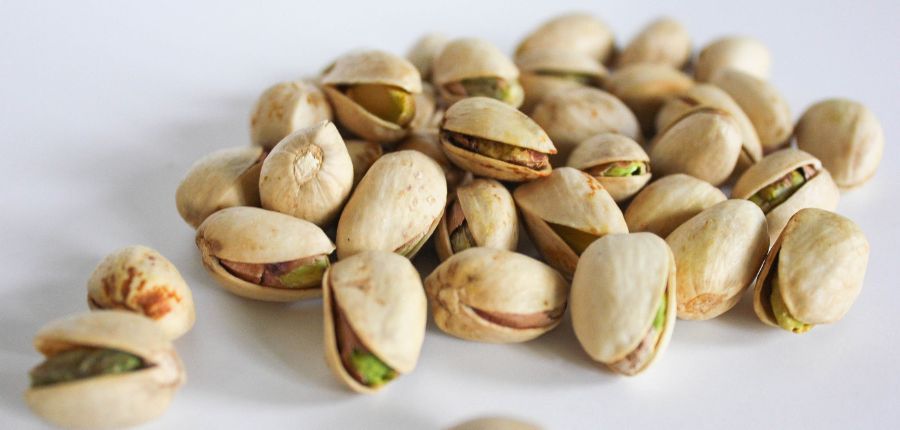
Research has coined this phenomenon the "Pistachio Principle." Studies have shown that individuals who eat in-shell pistachios consume significantly fewer calories than those who eat pre-shelled pistachios. Why? The discarded shells serve as a visual cue, a tangible reminder of how much you’ve eaten. This simple, often subconscious feedback mechanism encourages mindful consumption, slowing down the eating process and allowing your body’s satiety signals to register before you overindulge. It’s a brilliant, natural form of portion control, turning a potential pitfall of snacking into a strategic advantage.
Beyond the Shell – Satiety from Within:
But the story doesn’t end with the shell. Pistachios are a formidable source of dietary fiber and plant-based protein, two macronutrients renowned for their ability to promote satiety and keep hunger pangs at bay. The combination of healthy fats, fiber, and protein creates a sustained release of energy, preventing the sharp blood sugar spikes and crashes that often lead to cravings and overeating. Unlike many processed snacks that offer fleeting satisfaction, pistachios provide a sustained feeling of fullness, reducing the likelihood of reaching for less healthy options between meals.
Furthermore, the act of shelling itself adds a layer of effort that slows down consumption. This forced mindfulness allows your brain to catch up with your stomach, registering fullness cues more effectively. It’s an exercise in patience and presence, transforming a quick bite into a deliberate, satisfying experience. For those navigating the complexities of weight management, incorporating in-shell pistachios isn’t just about choosing a healthy snack; it’s about embracing a behavioral hack that subtly guides you towards healthier eating patterns, making the journey towards your goals more manageable and enjoyable.
2. Gut Guardian & Prebiotic Powerhouse: Nurturing Your Inner Ecosystem
The conversation around gut health has exploded in recent years, recognizing its profound impact on everything from immunity and mood to metabolism. While probiotics often steal the spotlight, their lesser-known counterparts, prebiotics, are equally vital. Prebiotics are non-digestible fibers that act as food for the beneficial bacteria (probiotics) residing in your gut. And here’s where the pistachio delivers a surprising and powerful punch.
Fueling the Good Guys:
Pistachios are an excellent source of dietary fiber, with a significant portion of it being prebiotic fiber. When you consume pistachios, this fiber travels undigested through your upper digestive tract, reaching your large intestine where it becomes a feast for your gut microbiome. Specific studies have shown that regular pistachio consumption can lead to an increase in beneficial gut bacteria, such as Bifidobacteria and Lactobacillus. These "good" bacteria are crucial for a healthy digestive system, aiding in nutrient absorption, synthesizing certain vitamins, and even playing a role in immune function.
The Short-Chain Fatty Acid Advantage:
The fermentation of prebiotic fiber by gut bacteria produces beneficial compounds called short-chain fatty acids (SCFAs), particularly butyrate. Butyrate is a superstar in gut health; it’s the primary energy source for the cells lining your colon, helping to maintain the integrity of the gut barrier and reduce inflammation. A strong gut barrier is critical for preventing "leaky gut," a condition associated with various chronic health issues. By providing the raw material for SCFA production, pistachios contribute directly to a robust and resilient gut lining, a truly surprising depth to their digestive benefits.
Beyond Digestion: The Gut-Brain Axis:
The implications extend beyond mere digestion. A healthy gut microbiome is increasingly linked to improved mood and cognitive function through the gut-brain axis. By fostering a thriving internal ecosystem, pistachios indirectly contribute to mental well-being, making them far more than just a digestive aid. They are silent guardians of your inner balance, ensuring your gut bacteria are well-fed and happy, which in turn radiates positive effects throughout your entire system.
3. Blood Sugar Stabilizer: A Sweet Surprise for Glycemic Control
For individuals concerned about blood sugar levels – whether due to prediabetes, type 2 diabetes, or simply a desire for stable energy throughout the day – the idea of snacking can often be fraught with anxiety. Many common snacks cause rapid spikes and crashes. However, pistachios offer a surprisingly effective and delicious solution, acting as a natural buffer against glycemic fluctuations.
The Glycemic Index Game-Changer:
Pistachios have a remarkably low glycemic index (GI), meaning they cause a slower and steadier rise in blood sugar compared to high-GI foods. This is primarily due to their unique nutritional profile: a balanced blend of healthy fats, protein, and fiber. These components work synergistically to slow down the digestion and absorption of carbohydrates, preventing sudden surges in blood glucose.
The Post-Meal Powerhouse:
The surprising benefit here isn’t just their low GI when eaten alone, but their ability to mitigate the glycemic impact of other, higher-GI foods when consumed alongside them. Imagine pairing a serving of pistachios with a carbohydrate-rich meal. Research suggests that the fats, fiber, and protein in pistachios can significantly reduce the overall glycemic response of the entire meal. This makes them an invaluable addition to daily eating, acting as a natural blood sugar regulator that can help prevent the energy slumps and cravings often associated with unstable glucose levels.