The Prologue: A Silent Epidemic and the Dawn of a New Hope
For decades, the battle against obesity has been fought on a thousand fronts, often with disheartening results. A complex, multifactorial chronic disease, obesity resisted simplistic solutions, leaving millions grappling with its profound physical, psychological, and socioeconomic toll. From restrictive diets and punishing exercise regimens to invasive bariatric surgery, the quest for effective, sustainable weight management has been a long and arduous journey, marked by more failures than triumphs. Patients, often stigmatized and blamed for a condition rooted deeply in biology, genetics, environment, and metabolism, yearned for a genuine breakthrough.
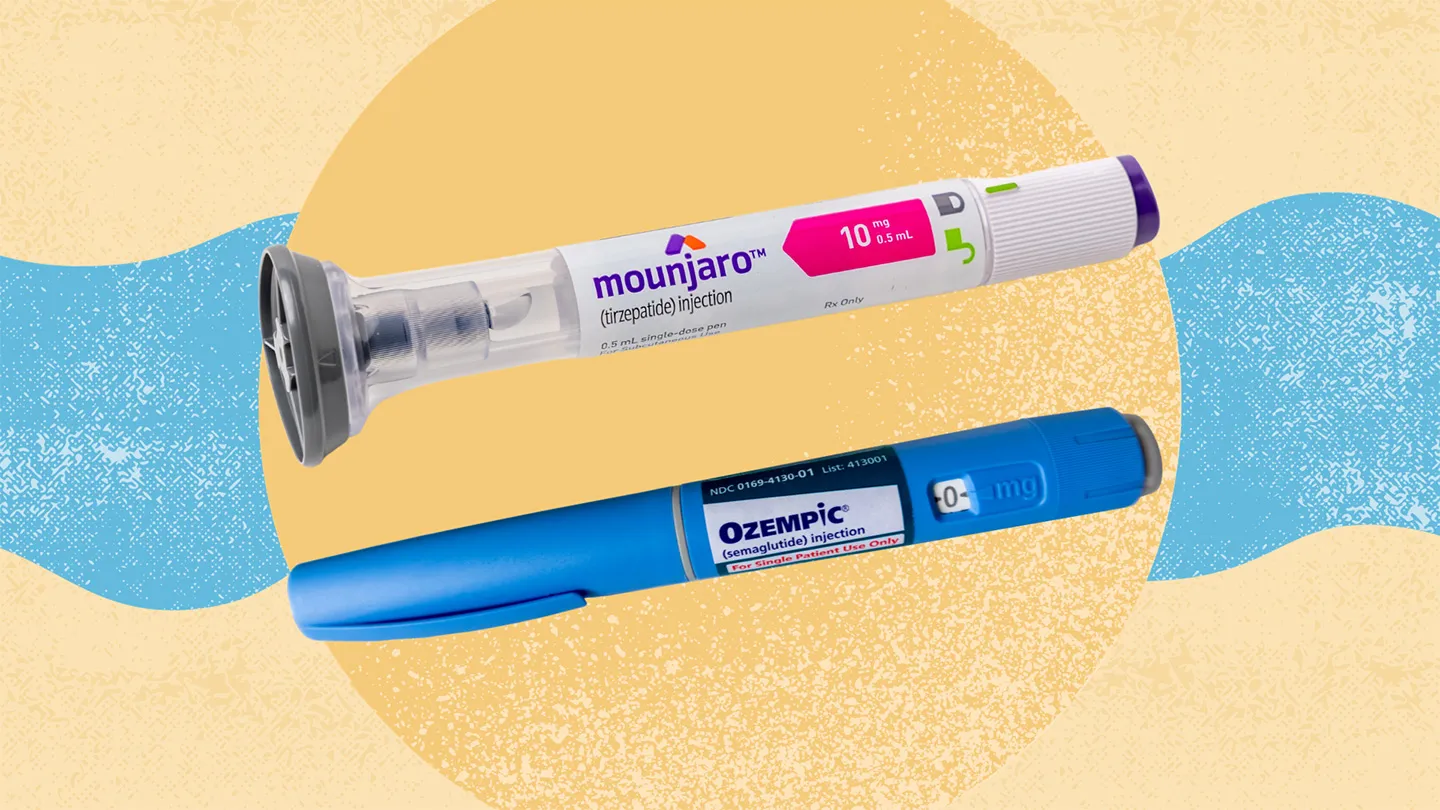
Then, a new dawn broke. The advent of glucagon-like peptide-1 (GLP-1) receptor agonists fundamentally shifted the paradigm. Initially developed for type 2 diabetes, these injectable medications revealed a powerful, serendipitous side effect: significant weight loss. Liraglutide (Saxenda), semaglutide (Ozempic/Wegovy), and the dual GLP-1/GIP receptor agonist tirzepatide (Mounjaro/Zepbound) have not merely offered incremental improvements; they have rewritten the narrative of obesity treatment, demonstrating efficacy previously unimaginable outside of surgical intervention. These drugs harness the body’s own intricate hormonal symphony, regulating appetite, slowing gastric emptying, and improving satiety, allowing patients to achieve and maintain substantial weight reductions, often exceeding 15-20% of their initial body weight.
Yet, even with these revolutionary treatments, a persistent challenge lingered: adherence. The requirement for weekly subcutaneous injections, while significantly less frequent than daily insulin, still represents a psychological and logistical hurdle for many. Missed doses, the "needle fatigue," and the perceived burden of ongoing medical intervention can undermine long-term commitment, even to therapies that demonstrably transform lives. The scientific community, ever restless in its pursuit of perfection, recognized this unmet need. Could the profound benefits of GLP-1 agonism be delivered with even greater convenience, perhaps monthly, without compromising efficacy or safety? This question set the stage for the next chapter in the unfolding story of obesity management – a chapter that now sees an investigational monthly GLP-1 agonist emerging from the crucible of clinical trials, promising to stand shoulder-to-shoulder with the current titans.
The Genesis of Innovation: Engineering Longevity
The journey to a monthly GLP-1 agonist is a testament to sophisticated pharmaceutical engineering and a deep understanding of pharmacokinetics. GLP-1, a naturally occurring incretin hormone, has a fleeting half-life of mere minutes in the body due to rapid degradation by the enzyme dipeptidyl peptidase-4 (DPP-4). To transform this ephemeral peptide into a therapeutic powerhouse, scientists had to devise clever strategies to extend its residence time in the bloodstream.
The current weekly GLP-1 agonists, such as semaglutide, achieve their extended half-life primarily through fatty acid acylation and albumin binding. By attaching a long-chain fatty acid, the molecule gains a high affinity for circulating albumin, a large plasma protein. This binding shields the GLP-1 analogue from enzymatic degradation and renal clearance, acting as a "depot" that slowly releases the active drug over days. Tirzepatide, with its even longer half-life, employs similar principles, allowing for sustained action.
The challenge for a monthly formulation is exponentially greater. To achieve a therapeutic presence for 30 days or more, scientists explored several advanced pharmacokinetic enhancement strategies:
-
PEGylation: Polyethylene glycol (PEG) chains can be covalently attached to a peptide. PEGylation increases the hydrodynamic radius of the molecule, effectively making it "larger" and thus reducing renal filtration. It also provides a steric shield, protecting the peptide from enzymatic degradation and potentially reducing immunogenicity. Several long-acting biologics already utilize PEGylation successfully.
-
Fc-Fusion Proteins: This elegant strategy involves fusing the GLP-1 peptide to the Fc region (fragment crystallizable region) of a human immunoglobulin G (IgG) antibody. The Fc region itself has a long half-life (weeks) due to its interaction with the neonatal Fc receptor (FcRn), which recycles antibodies back into circulation rather than allowing their degradation. By hitchhiking on the Fc region, the GLP-1 agonist inherits this extended half-life. Dulaglutide (Trulicity) is a GLP-1 agonist that utilizes an Fc-fusion protein, though its half-life still mandates weekly administration. A monthly variant would require further modifications to enhance FcRn binding or reduce clearance even further.
-
Encapsulation and Depot Formulations: More complex approaches involve encapsulating the drug within biodegradable polymer microspheres or liposomes. After injection, these microspheres slowly degrade, releasing the drug in a controlled fashion over weeks to months. While effective for some drugs, the manufacturing complexity and potential for variable release kinetics present their own set of challenges.
The investigational monthly GLP-1 agonist at the heart of our story likely leverages one or a combination of these advanced techniques. Imagine the meticulous work in the laboratory: computational modeling to design optimal molecular structures, in vitro assays to confirm receptor binding affinity and stability against DPP-4, and in vivo preclinical studies in animal models to assess pharmacokinetics, pharmacodynamics, and early safety signals. The goal is not just extended half-life, but also consistent exposure – avoiding peaks and troughs that could lead to fluctuating efficacy or increased side effects. This careful dance between molecular design and physiological response is the bedrock upon which the promise of monthly dosing is built.
The Crucible of Clinical Trials: Proving Efficacy and Safety
With a promising candidate molecule identified, the journey moved from the lab bench to the clinic, a rigorous multi-phase process designed to establish safety, efficacy, and optimal dosing. For a drug aspiring to stand alongside Ozempic and Mounjaro, the bar was set incredibly high.
Phase 1: The First Step into Humanity. This initial phase involved a small group of healthy volunteers and, subsequently, individuals with obesity or type 2 diabetes. The primary objective was to assess safety and tolerability, dose-response relationships, and detailed pharmacokinetic (PK) and pharmacodynamic (PD) profiles. Researchers meticulously measured drug concentrations in the blood over weeks, identifying the half-life and confirming that the extended-release mechanism was functioning as designed. Early PD markers, such as changes in glucose levels and appetite-related hormones, provided the first hints of efficacy. The critical finding here would be that a single monthly injection could maintain therapeutic drug levels without causing unacceptable acute side effects.
Phase 2: Unveiling Potential. Larger groups of patients, typically hundreds, were enrolled in Phase 2 trials. These studies were designed to determine the optimal dose range for efficacy while continuing to monitor safety. This is where the first robust weight loss data would emerge. Researchers would compare different monthly doses against a placebo, meticulously tracking body weight, body composition (fat mass vs. lean mass), glycemic control (HbA1c), and cardiometabolic markers (blood pressure, lipids). The early results, if positive, would signal that the monthly GLP-1 agonist was indeed capable of inducing clinically significant weight loss.
Phase 3: The Ultimate Test – Head-to-Head with the Best. This is the make-or-break phase, involving thousands of patients across numerous clinical sites globally. For a monthly GLP-1 to be deemed "as good as Ozempic or Mounjaro," it had to prove its mettle in large-scale, randomized, double-blind, placebo-controlled, and active-comparator trials.
- Design: Patients with obesity (with or without type 2 diabetes) would be randomized to receive either the new monthly GLP-1 (at various doses), placebo, or an active comparator arm – typically semaglutide (Ozempic/Wegovy) or tirzepatide (Mounjaro/Zepbound) at their approved weekly doses.
- Primary Endpoints: The key measures would be the mean percentage change in body weight from baseline at various time points (e.g., 24, 48, 72 weeks) and the proportion of patients achieving specific weight loss thresholds (e.g., ≥5%, ≥10%, ≥15%). If the drug was also studied in patients with type 2 diabetes, change in HbA1c would be a co-primary endpoint.
- Secondary Endpoints: A comprehensive array of secondary outcomes would be assessed, including changes in waist circumference, blood pressure, lipid profiles, C-reactive protein (a marker of inflammation), quality of life questionnaires, and physical function assessments.