From the serene bathhouses of antiquity to the bustling gyms and quiet homes of today, one humble mineral has held a remarkably enduring presence: Epsom salt. More than just a simple bath additive, this crystalline compound, scientifically known as magnesium sulfate, has woven itself into the fabric of folk remedies, athletic recovery routines, and even the occasional gardening tip. Its story is one of fascinating contradictions – a blend of profound anecdotal success, intriguing scientific hypothesis, and persistent debate.
For the knowledgeable reader, the narrative of Epsom salt isn’t merely a list of pros and cons; it’s an exploration into the intricate dance between chemistry and physiology, between historical wisdom and modern scientific scrutiny. We delve into its very essence, dissect its purported benefits, unflinchingly examine its potential risks, and ultimately, equip you with the understanding needed to navigate its use wisely. Prepare to journey beyond the surface, into the heart of what makes Epsom salt a truly remarkable, if sometimes misunderstood, substance.
Chapter 1: The Genesis of a Legend – Unearthing Epsom Salt’s Origins and Composition
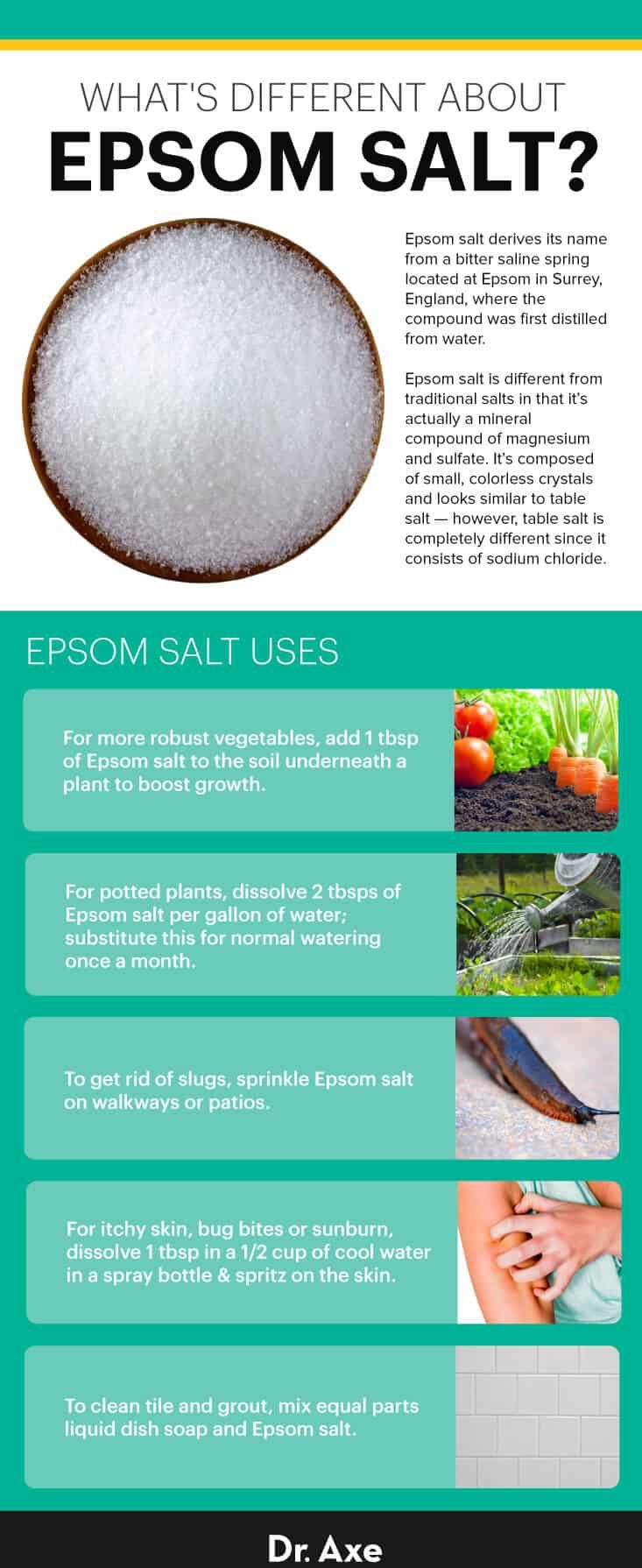
Our story begins in the picturesque town of Epsom in Surrey, England, in the early 17th century. Legend has it that a local farmer, Henry Wicker, noticed his cattle refused to drink from a particular spring, yet the water left their coats remarkably soft and shiny. Upon investigation, he discovered the water had a bitter taste and possessed purgative qualities. This unique mineral spring quickly gained fame, leading to the development of Epsom as a popular spa town, drawing visitors eager to "take the waters" for various ailments. The "salt" crystallized from these mineral-rich waters became known as Epsom salt.
The Chemical Heartbeat: Magnesium Sulfate
At its core, Epsom salt is a chemical compound: magnesium sulfate (MgSO₄). Its dual nature is key to understanding its multifaceted applications.
-
Magnesium: An essential mineral, magnesium is nothing short of a powerhouse within the human body. It acts as a cofactor in over 300 enzymatic reactions, meaning it’s a necessary "helper molecule" for countless biochemical processes. Its roles are vast and critical:
- Muscle and Nerve Function: Magnesium plays a pivotal role in muscle contraction and relaxation, as well as nerve signal transmission. It helps regulate calcium levels, which are crucial for these processes.
- Energy Production: It’s involved in the synthesis of ATP (adenosine triphosphate), the body’s primary energy currency.
- Protein Synthesis: Essential for building and repairing tissues.
- Blood Glucose Control: Contributes to insulin sensitivity and glucose metabolism.
- Blood Pressure Regulation: Helps maintain healthy blood pressure levels.
- Bone Health: A significant component of bone structure.
- DNA and RNA Synthesis: Critical for genetic material production.
-
Sulfate: While perhaps less celebrated than magnesium, sulfate also plays crucial biological roles:
- Detoxification: Sulfates are vital for the body’s detoxification pathways, particularly in the liver, where they help process drugs and environmental toxins.
- Joint Health: They are a component of glycosaminoglycans (GAGs), which are essential for the structure and function of cartilage and connective tissues.
- Brain Health: Involved in neurotransmitter production and overall neurological function.
The synergy between these two components forms the theoretical basis for Epsom salt’s wide range of purported benefits. But how, precisely, does the body access these vital compounds, especially when absorbed through the skin? This question forms the crux of much of the scientific debate surrounding Epsom salt.