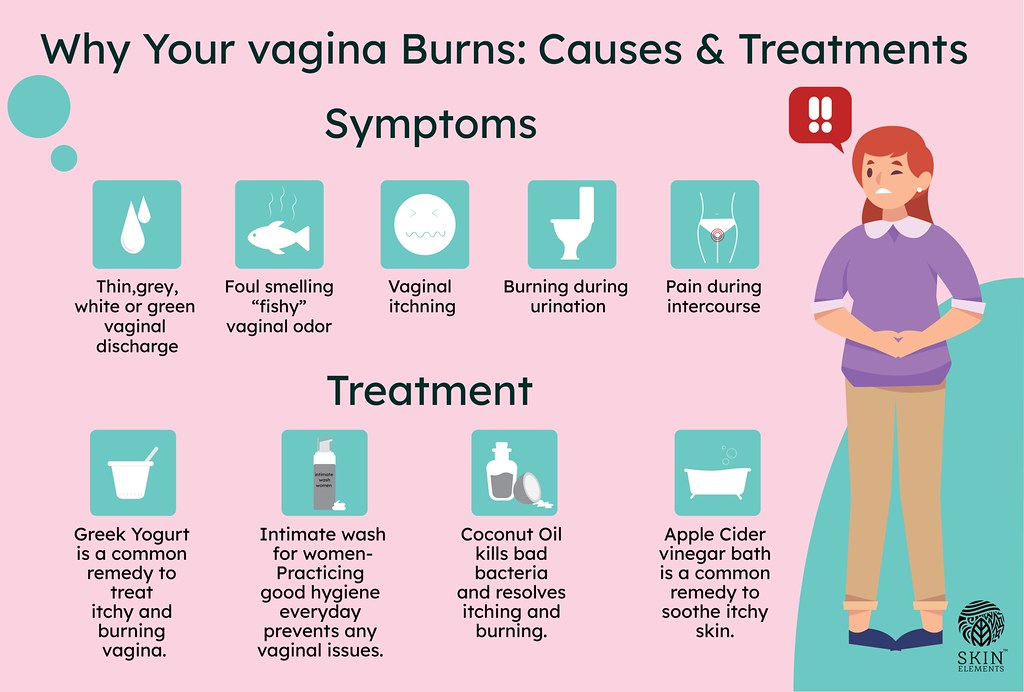
Vaginal burning, a sensation often described as a searing, stinging, or raw discomfort in the vulvar or vaginal area, is a profoundly unsettling experience. It’s a symptom that whispers of disruption within the intricate ecosystem of the female body, a signal that something is amiss. For many, it arrives unannounced, casting a shadow over daily life, impacting intimacy, comfort, and peace of mind. While often dismissed as a minor irritation or, worse, endured in silence due to embarrassment, vaginal burning is a powerful indicator that warrants attention, understanding, and often, professional medical evaluation.
This isn’t merely a physical sensation; it carries a significant emotional and psychological toll. The uncertainty, the fear of the unknown, the impact on self-image and relationships – these are all part of the "story" of vaginal burning. Our journey through this discomfort begins with acknowledging its prevalence and the urgent need to demystify its causes. Rather than a singular culprit, vaginal burning is a multifaceted symptom, often stemming from one of several distinct, yet sometimes overlapping, conditions. For the knowledgeable reader, understanding these distinctions is the first step towards empowerment and effective management.
Let us embark on an exploration of seven prominent reasons why this unseen fire might ignite, delving into their nuances, diagnostic pathways, and therapeutic strategies, transforming uncertainty into informed action.
1. The Proliferating Presence: Yeast Infections (Candidiasis)
Perhaps the most universally recognized cause of vaginal burning, a yeast infection, or candidiasis, is an overgrowth of Candida, a type of fungus naturally present in the vagina. While Candida albicans is the most common culprit, other species can also cause symptoms. In a healthy vaginal environment, Candida exists in a delicate balance with other microorganisms, primarily beneficial bacteria like Lactobacillus. However, when this balance is disrupted, Candida can multiply unchecked, leading to a cascade of uncomfortable symptoms.
The Mechanism of Burning: The burning sensation in candidiasis arises primarily from the intense inflammatory response triggered by the proliferating yeast. The fungal organisms adhere to and penetrate the vaginal epithelial cells, releasing enzymes and toxins that irritate the delicate mucosal lining. This irritation leads to redness, swelling (edema), and the characteristic intense itching, which, when scratched, can further exacerbate the burning and create micro-abrasions, making the area even more sensitive.
Accompanying Symptoms: Beyond burning, yeast infections typically present with:
- Intense itching: Often the most prominent symptom, ranging from mild to debilitating.
- Thick, white, "cottage cheese-like" discharge: This discharge is typically odorless.
- Redness and swelling of the vulva and vagina: Visible inflammation.
- Soreness: A general tenderness in the affected area.
- Pain during intercourse (dyspareunia): Due to inflammation and irritation.
- Pain or discomfort during urination (dysuria): If the irritated labia come into contact with urine.
Risk Factors: Several factors can tip the balance in favor of Candida overgrowth:
- Antibiotic use: Kills off beneficial bacteria, allowing yeast to flourish.
- Hormonal changes: Pregnancy, high-dose oral contraceptives, or hormone therapy can alter vaginal chemistry.
- Weakened immune system: Diabetes (especially uncontrolled), HIV, or corticosteroid use.
- Tight, non-breathable clothing: Creates a warm, moist environment conducive to yeast growth.
- Douching: Disrupts the natural vaginal flora.
- High sugar intake: Some evidence suggests a link, though not definitively proven as a direct cause.
Diagnosis and Treatment: Diagnosis typically involves a physical examination, review of symptoms, and a microscopic examination of a vaginal swab (wet mount) to identify yeast cells or hyphae. Vaginal pH is usually normal (3.8-4.5) in yeast infections, which helps differentiate it from BV. Treatment usually involves antifungal medications, available as oral pills (e.g., fluconazole) or topical creams/suppositories (e.g., miconazole, clotrimazole). For recurrent infections, a longer course or maintenance therapy might be prescribed.
2. The Unbalanced Ecosystem: Bacterial Vaginosis (BV)
Bacterial Vaginosis (BV) is the most common cause of vaginal discharge in women of reproductive age, affecting millions globally. Unlike a yeast infection, BV is not caused by a single organism but rather by an imbalance in the vaginal microbiome. It occurs when the normally dominant Lactobacillus bacteria, which produce lactic acid to maintain an acidic pH, are replaced by an overgrowth of anaerobic bacteria, such as Gardnerella vaginalis and other species. This shift leads to a less acidic (higher pH) environment, triggering symptoms.
The Mechanism of Burning: While not always the primary symptom, burning in BV can arise from the irritation and inflammation caused by the metabolic byproducts of the anaerobic bacteria. These bacteria produce amines that contribute to the characteristic odor and can irritate the delicate vaginal and vulvar tissues. The change in pH and bacterial toxins can lead to a mild inflammatory response, resulting in discomfort and burning, particularly after intercourse due to exposure to semen, which has a higher pH.
Accompanying Symptoms: BV is characterized by: