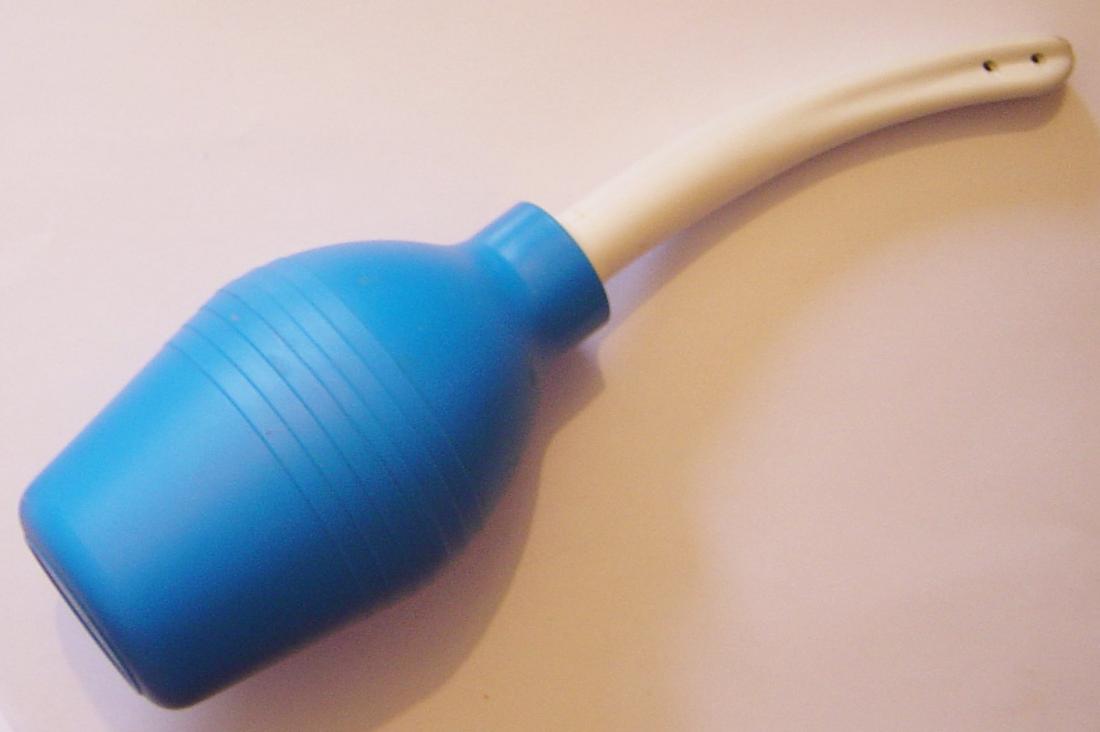
For generations, the act of douching has been shrouded in a veil of perceived cleanliness and ritual. From ancient concoctions of vinegar and herbs to the modern antiseptic solutions lining pharmacy shelves, the impulse to "cleanse" the vagina has persisted, fueled by cultural norms, marketing myths, and often, a fundamental misunderstanding of the remarkable ecosystem within. This article aims to tell a story – the story of the vagina’s intricate design, the misguided attempts to "improve" it, the unseen harm these attempts inflict, and ultimately, the path to genuine vaginal wellness that embraces, rather than disrupts, its natural brilliance.
The Allure of the Clean Slate: Why Douching Took Root
Our story begins with a deep-seated human desire for purity and control. Historically, societies have often linked female bodies to concepts of impurity, particularly concerning menstruation and sexual activity. This cultural backdrop created fertile ground for practices that promised to "cleanse" and "purify."
In the 19th and 20th centuries, this desire was expertly capitalized upon by burgeoning pharmaceutical and hygiene industries. Douching products were aggressively marketed, promising solutions to everything from "feminine odor" and perceived lack of cleanliness to contraception and prevention of sexually transmitted infections (STIs). Advertisements depicted confident, radiant women whose lives were supposedly transformed by a simple, internal rinse. The message was clear: a "clean" woman douched, and a "clean" woman was desirable, healthy, and free from worry.
This narrative was incredibly powerful. It tapped into anxieties about body odor, sexual health, and social acceptance, offering a seemingly simple solution to complex concerns. Many women, armed with the best intentions and trusting the information presented to them, adopted douching as a regular part of their hygiene routine, believing they were actively promoting their health and well-being. The act became normalized, passed down from mother to daughter, friend to friend, a quiet ritual performed behind closed bathroom doors.
But beneath this veneer of cleanliness and control lay a profound misunderstanding of the vagina’s intrinsic design and its sophisticated self-regulating mechanisms. The stage was set for a conflict between human intervention and natural biology, a conflict that science would eventually illuminate with stark clarity.
The Vagina’s Secret Garden: A Symphony of Self-Care
To truly understand why douching is not just unnecessary but actively harmful, we must first appreciate the astonishing complexity and self-sufficiency of the vaginal environment. Imagine the vagina not as a cavity needing constant cleansing, but as a meticulously calibrated garden, teeming with life, where every element plays a crucial role in maintaining balance and health.
At the heart of this garden is the vaginal microbiome, a diverse community of microorganisms, predominantly beneficial bacteria called Lactobacilli. These tiny heroes are the unsung guardians of vaginal health. They work tirelessly, converting glycogen (a sugar stored in vaginal cells) into lactic acid. This process is vital because it maintains the vagina’s naturally acidic pH, typically ranging from 3.8 to 4.5. This slightly acidic environment is inhospitable to most harmful bacteria, yeast, and other pathogens, acting as a natural barrier against infections.
Beyond the Lactobacilli, the vaginal walls themselves are lined with specialized epithelial cells that produce vaginal discharge. Far from being a sign of impurity, healthy discharge is a natural, essential part of the vagina’s self-cleaning process. It serves multiple functions:
- Lubrication: Keeping tissues moist and healthy.
- Cleaning: Carrying away dead cells, bacteria, and other irritants from the vagina and cervix.
- Protection: Its composition helps maintain the acidic pH and contains antimicrobial properties.
The amount, consistency, and color of discharge can vary throughout the menstrual cycle, during pregnancy, and with sexual arousal, all of which are normal physiological responses. A healthy vagina is also characterized by a mild, unique odor – not a perfumed scent, but a natural, musky smell that is entirely normal and a sign of its thriving ecosystem.
In essence, the vagina is a finely tuned, self-regulating marvel. It doesn’t need external interference to clean itself; it is self-cleaning. The natural flow of discharge, the protective acidic barrier, and the vigilant Lactobacilli all work in concert to maintain a pristine, healthy environment. This intricate balance is precisely what douching disrupts, turning an act intended for good into a source of potential harm.
The Unseen Damage: How Douching Undermines Vaginal Health
This seemingly innocuous act, often performed with the best of intentions, unwittingly dismantles the very defenses it seeks to fortify. When a woman douches, she is not simply rinsing away "impurities"; she is flushing out the delicate balance of the vaginal microbiome, altering its pH, and potentially introducing harmful substances.
Here’s a closer look at the cascading negative effects of douching:
-
Disruption of the Vaginal Microbiome and pH Imbalance:
- Washing Away Good Bacteria: Douching solutions, whether water-based or chemical, indiscriminately wash away the protective Lactobacilli. This leaves the vagina vulnerable.
- Altering pH: The solutions themselves often have a pH that is higher (less acidic) than the natural vaginal environment. Even plain water can temporarily raise the pH. This shift creates an optimal breeding ground for opportunistic pathogens that thrive in less acidic conditions.
-