The human experience is a tapestry woven with myriad threads – joy, sorrow, ambition, connection, and an intrinsic, often whispered, thread of desire. Sexual desire, or libido, is a fundamental aspect of this tapestry for many, intricately linked to our sense of vitality, intimacy, and self. Yet, for countless individuals, this vibrant thread can fray, dim, or even vanish, leaving a silence where once there was a song.
This isn’t a story of deficiency, but a universal human narrative of ebb and flow. It’s a journey many embark on, sometimes silently, sometimes with a quiet plea for understanding: "Where did it go? How do I get it back?" This article is an invitation to explore that journey – not as a quest for a quick fix, but as a holistic expedition into the multifaceted landscape of our bodies, minds, and relationships, seeking to rekindle the ember within and fan it into a steady, fulfilling flame.
Our audience, knowledgeable and discerning, understands that libido is not a simple switch. It’s an intricate symphony conducted by hormones, neurotransmitters, psychological states, relational dynamics, and even the subtle rhythms of our daily lives. To increase libido and enhance sexual desire is, therefore, to become a more attuned conductor of this personal orchestra, understanding each instrument and how they harmonize (or clash).
Chapter 1: Understanding the Landscape – What is Libido, Truly?
Before we embark on our journey to enhance desire, we must first understand its nature. Libido, often colloquially equated solely with "sex drive," is far more nuanced. It’s not just a physiological urge, but a complex interplay of biological, psychological, and social factors.
The Biological Undercurrents: At its core, libido has a strong biological basis. Hormones like testosterone (present in both men and women, though in different concentrations), estrogen, progesterone, and thyroid hormones play significant roles. Neurotransmitters such as dopamine (associated with pleasure and reward), serotonin (mood regulation), and oxytocin (bonding) also contribute to the neurochemical cocktail that influences desire. Blood flow, nerve sensitivity, and overall physical health are crucial for both arousal and the sustained experience of desire. When our bodies are thriving, these systems tend to operate more smoothly.
The Psychological Terrain: This is where the landscape becomes deeply personal. Our minds are powerful engines of desire, or formidable barriers. Stress, anxiety, depression, low self-esteem, body image issues, past traumas, and even mundane cognitive load (the mental to-do list) can cast long shadows over our sexual interest. Conversely, feelings of joy, confidence, security, and emotional connection can significantly amplify desire. Our perceptions, beliefs about sex, and personal narratives all shape this psychological terrain.
The Relational Climate: For most, sexual desire exists within a relational context, whether with a partner or within the framework of self-intimacy. Communication, emotional connection, trust, shared experiences, and even the simple act of feeling seen and appreciated by a partner are potent aphrodisiacs. Conflict, resentment, lack of intimacy (non-sexual), and unmet emotional needs can quickly erode desire, transforming the relational climate into a frigid zone.
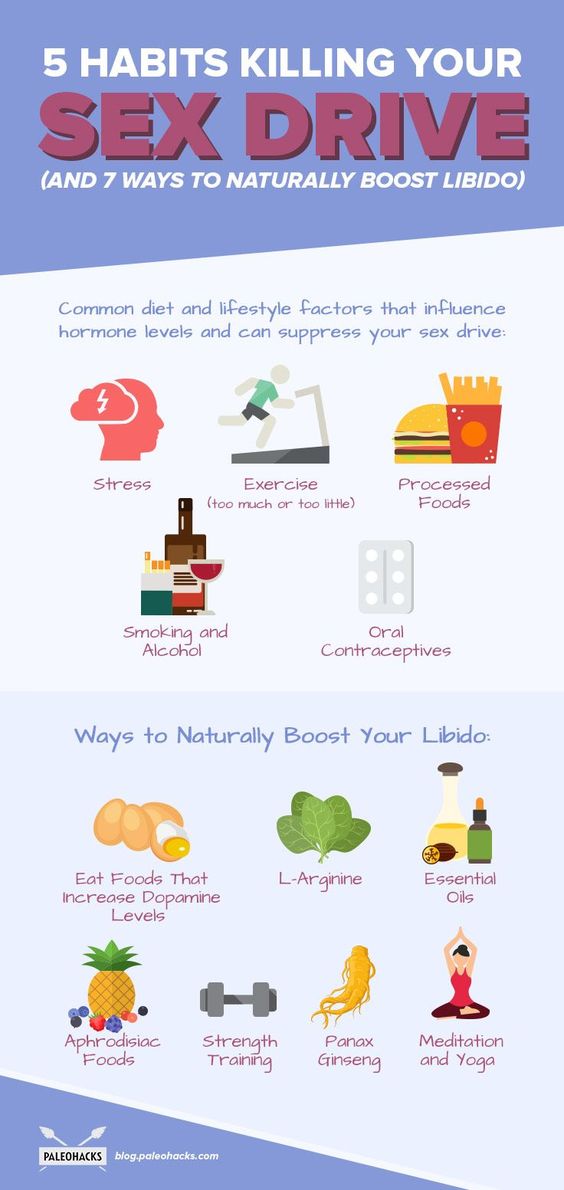
The Lifestyle Ecosystem: Finally, our daily habits form an ecosystem that either nourishes or depletes our libido. Diet, exercise, sleep patterns, substance use, and even our exposure to environmental stressors contribute to the overall vitality that fuels or dampens sexual interest.
Understanding these interconnected dimensions is the first, crucial step. It moves us beyond simplistic explanations and empowers us to address the root causes, rather than just the symptoms, of diminished desire.
Chapter 2: Mapping the Obstacles – Why the Ember Dims
Before we can fan the flame, we must identify what might be dampening it. The reasons for a decline in libido are as varied as individuals themselves, often stemming from a confluence of factors. A knowledgeable audience appreciates the distinction between transient dips and chronic declines, and the importance of a thorough self-assessment (and professional consultation when necessary).
2.1. The Physiological Roadblocks:
- Hormonal Imbalances:
- Low Testosterone: Common in men as they age (andropause) but also affects younger men due to lifestyle factors. In women, too, low testosterone can significantly impact desire, energy, and overall well-being.
- Thyroid Dysfunction: Hypothyroidism (underactive thyroid) can slow metabolism, leading to fatigue, weight gain, and diminished libido.
- Estrogen Fluctuations (Women): Perimenopause, menopause, childbirth, and certain contraceptives can lead to lower estrogen levels, causing vaginal dryness and discomfort, which directly impacts desire.
- High Prolactin: Elevated levels of prolactin (the hormone primarily associated with milk production) can suppress libido in both sexes.
- Chronic Health Conditions: Diabetes, heart disease, obesity, neurological disorders, and chronic pain conditions can all directly or indirectly impact sexual function and desire.
- Medications: A vast array of medications can have libido suppression as a side effect. Antidepressants (especially SSRIs), blood pressure medications, antihistamines, oral contraceptives, opioids, and even some hair loss treatments are common culprits.
- Sleep Deprivation: Chronic lack of sleep disrupts hormonal balance (especially cortisol and testosterone), impairs cognitive function, and saps energy, all detrimental to desire.
- Poor Nutrition & Dehydration: Deficiencies in essential nutrients (zinc, B vitamins, omega-3s), excessive processed foods, and inadequate hydration can impact energy levels, mood, and hormonal health.
- Substance Use: Chronic alcohol consumption, smoking, and recreational drug use can impair circulation, hormonal function, and neurological pathways associated with pleasure.
2.2. The Psychological & Emotional Quagmires: